
Cardio Burns Fat or Just Weight? The Truth You Should Know
Many people start doing cardio with one simple goal: lose fat. Running, cycling, or even long walks become part of the routine. But after a few weeks, a common doubt appears is cardio actually burning fat, or just reducing body weight?
If you have ever worked hard on cardio and still felt your body shape did not change much, you are not alone. Understanding this properly can save you months of frustration.
Before you start your weight loss journey, understand this first: Should I Focus on Fat Loss or Weight Loss?
What Does “Cardio Burns Fat or Just Weight” Really Mean?
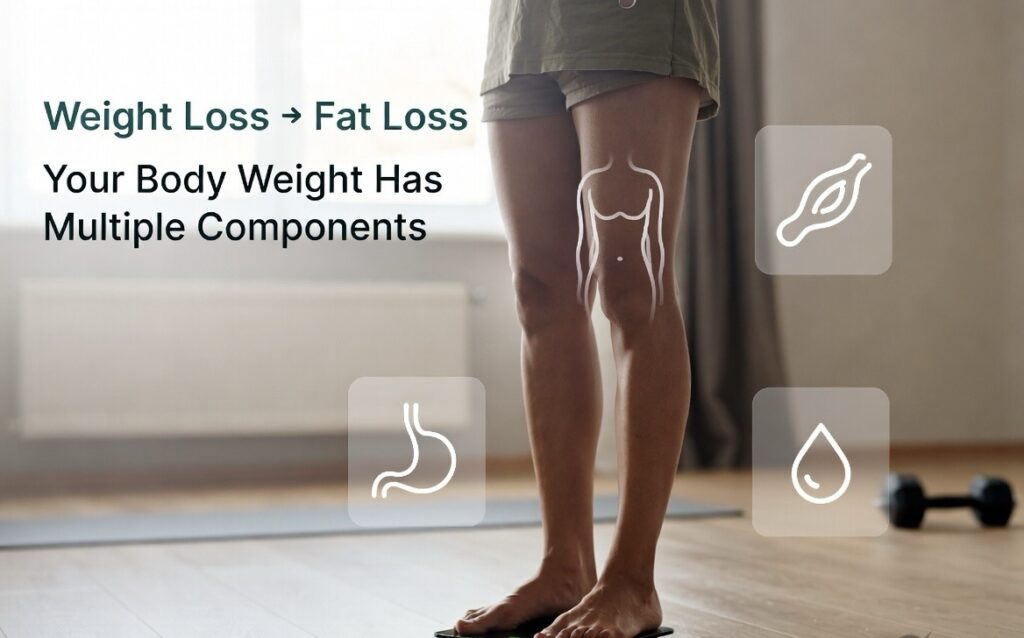
When we talk about whether cardio burns fat or just weight, we are really talking about what type of weight your body is losing.
Your total body weight includes:
- Body fat
- Muscle mass
- Water weight
- Food and digestion content
This means when your weight drops, it does not always mean fat loss. Sometimes it is just water loss or even muscle loss.
According to Harvard Health, healthy weight loss should focus on reducing fat while maintaining muscle: Harvard Health – The Truth About Metabolism
Does Cardio Burn Fat?
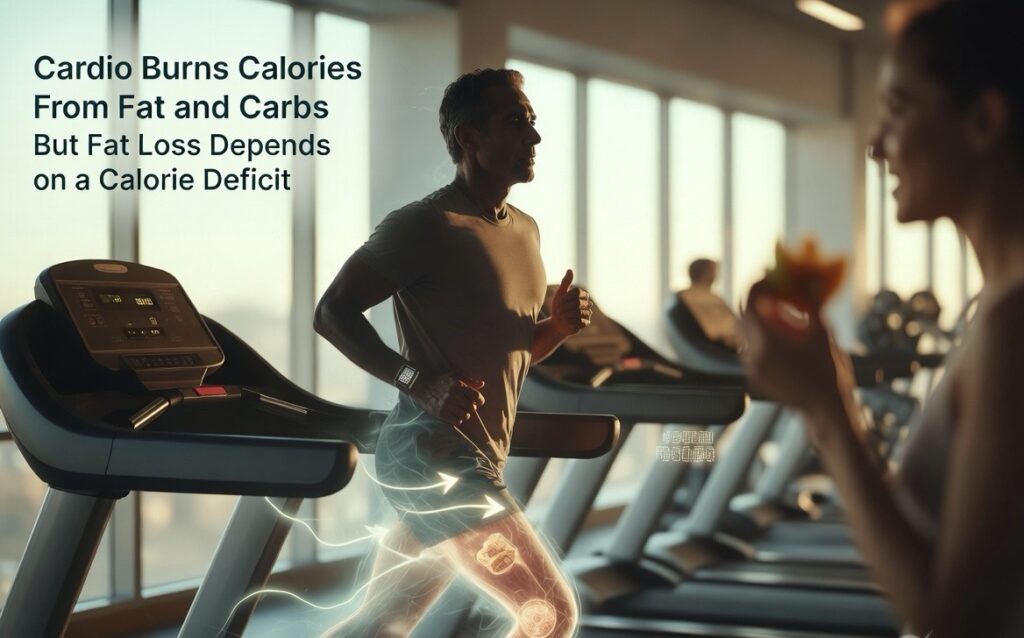
Yes, cardio does burn fat but only when done in the right way.
When you perform cardio, your body uses energy. This energy comes from carbohydrates and fat stores. Over time, if you consistently burn more calories than you consume, your body starts using stored fat.
This is why experts like the CDC emphasize creating a calorie deficit for fat loss: CDC – Healthy Weight Loss Guide
However, there is an important point many people miss:
Cardio alone is not enough to guarantee fat loss.
Confused about your progress? Read this science-based guide: Am I Actually Losing Fat or Just Weight?
Why Cardio Sometimes Leads to Weight Loss Instead of Fat Loss
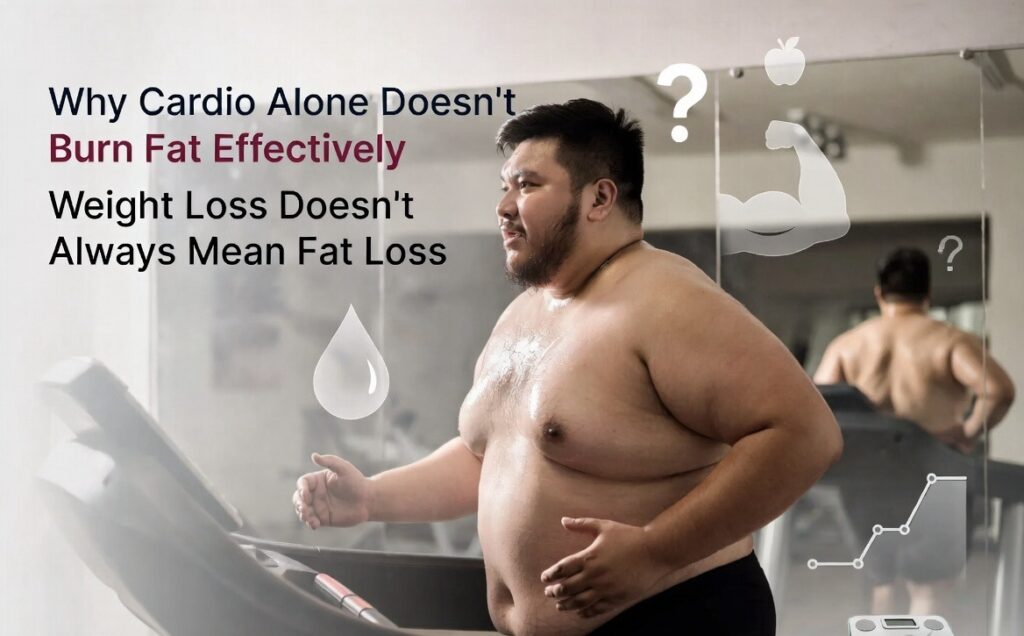
Many people rely only on cardio and do not get the expected results. Here are the main reasons:
1. No Control Over Calories
Burning calories through exercise does not help if you eat more afterward. Even small extra snacks can cancel out your effort.
2. Muscle Loss
Excessive cardio without strength training can reduce muscle mass. Less muscle means a slower metabolism, making fat loss harder.
The American Council on Exercise highlights that strength training is important to preserve lean muscle during weight loss: ACE Fitness – Strength Training for Fat Loss
3. Water Weight Changes
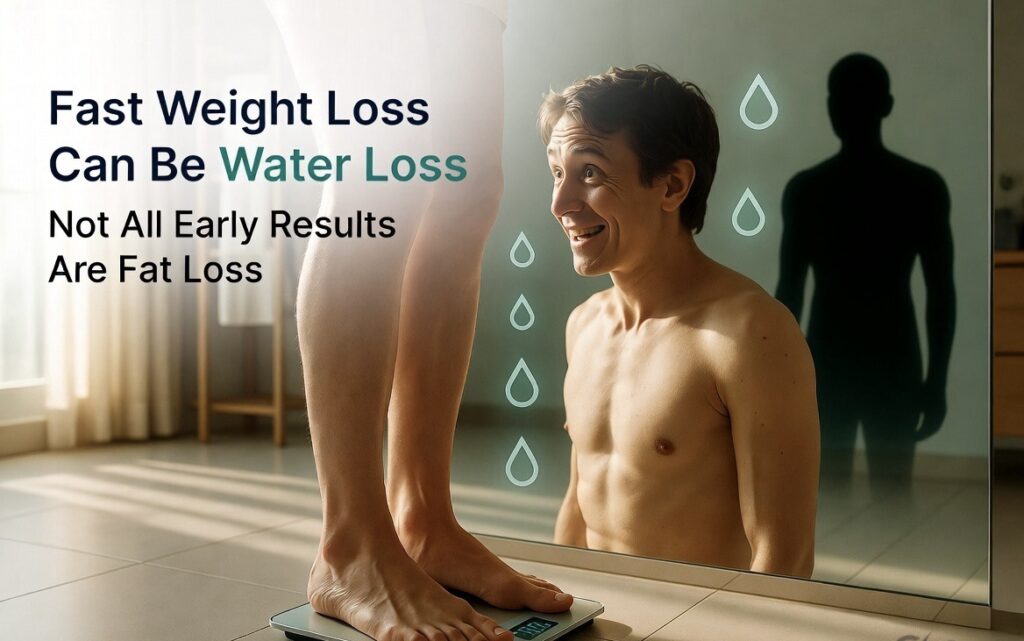
In the early stages, cardio can reduce water weight quickly. This creates the illusion of fast fat loss.
4. Body Adaptation
Your body becomes efficient over time. The same workout burns fewer calories, slowing progress.
5. Lifestyle Factors
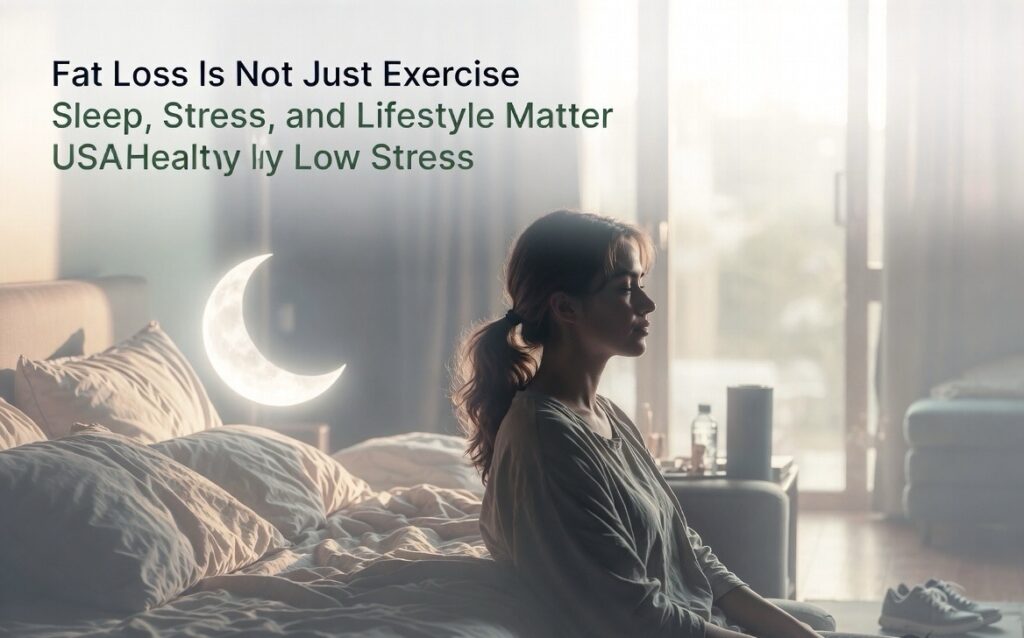
Sleep, stress, and daily habits affect fat loss more than most people realize.
The NHS recommends combining regular exercise with proper sleep and lifestyle habits for better results: NHS – Exercise and Fitness Guide
How to Make Cardio Actually Burn Fat

If your goal is real fat loss and not just weight loss, follow a balanced approach:
1. Create a Consistent Calorie Deficit
You do not need extreme dieting. A small and steady calorie deficit works best.
2. Combine Cardio with Strength Training
This is the most effective method. Cardio helps burn calories, while strength training protects muscle.
3. Choose Sustainable Cardio

Simple activities like brisk walking, cycling, or swimming are highly effective when done regularly.
4. Stay Consistent
Consistency matters more than intensity. Even 20–30 minutes daily can give results over time.
5. Support Your Body with Proper Nutrition
Eating enough protein and balanced meals helps your body maintain muscle and burn fat efficiently.
The World Health Organization recommends regular physical activity along with proper nutrition for maintaining a healthy body: WHO – Physical Activity Guidelines
A Simple Way to Understand This
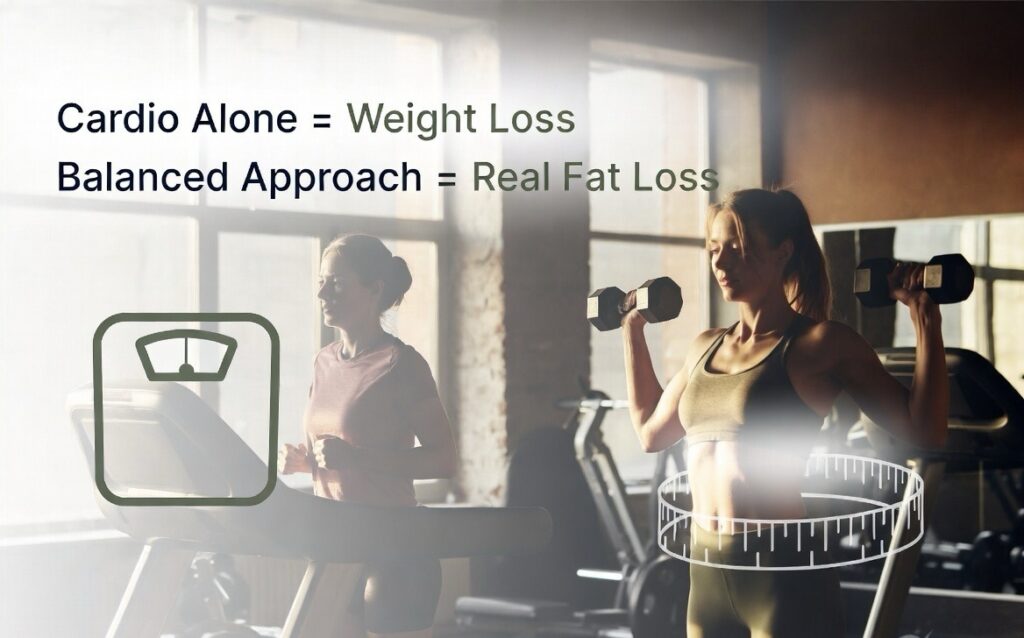
Think of it like this:
If you only focus on cardio, you may lose weight. But if you combine cardio with strength training and proper eating, you lose fat and improve your body shape.
This small difference is what separates temporary results from long-term transformation.
Smart Tips for Better Fat Loss Results
- Track your waist size, not just body weight
- Focus on daily movement like walking and staying active
- Get 7–8 hours of sleep regularly
- Stay hydrated throughout the day
- Keep your routine simple and sustainable
What Actually Works in the Long Run
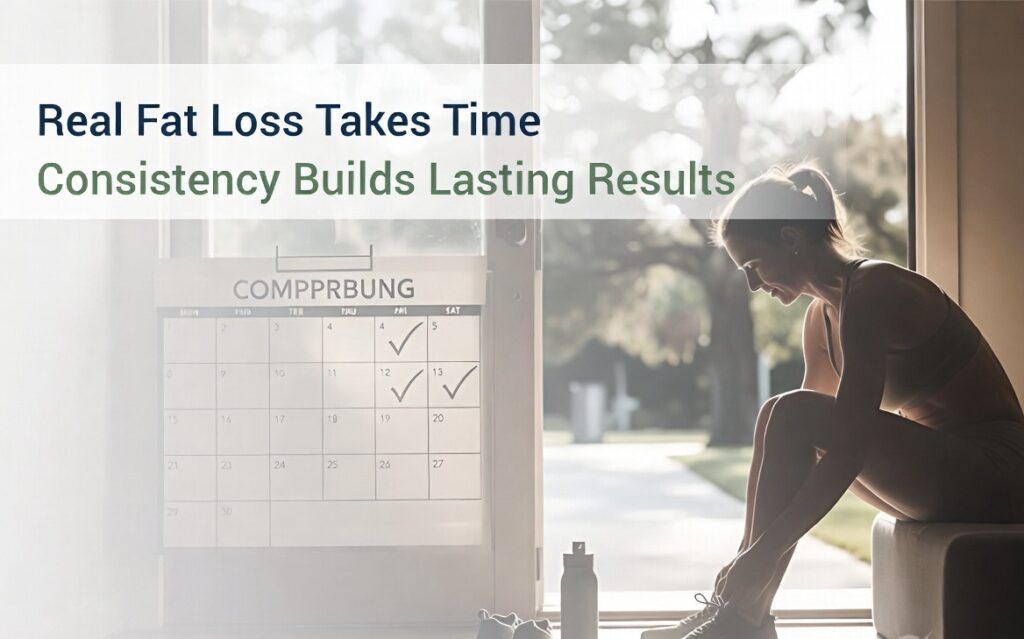
The biggest mistake people make is chasing fast results. Fat loss is a slow and steady process.
Instead of doing extreme cardio or strict dieting, focus on building a routine you can follow for months. That is what creates real and lasting fat loss.
Research from Mayo Clinic also supports that gradual and consistent weight loss is more sustainable: Mayo Clinic – Weight Loss Basics
Conclusion
Cardio does play an important role in fat loss, but it is not a complete solution on its own. While it helps burn calories, the actual outcome depends on how well it is combined with proper nutrition, strength training, and overall lifestyle habits.
If done incorrectly, cardio may lead to temporary weight loss through water or muscle reduction. But when used correctly as part of a balanced routine, it becomes a powerful tool for sustainable fat loss.
The key is to focus on consistency, maintain muscle, and follow a realistic approach rather than chasing quick results. In the long run, this is what leads to a healthier body and visible fat loss.
FAQs
1. Does cardio burn fat or just weight?
Cardio can burn fat, but it may also reduce water weight or muscle if not balanced with proper diet and strength training.
2. Is cardio enough for fat loss?
Cardio helps, but combining it with strength training and proper nutrition gives better results.
3. Why am I losing weight but not looking lean?
You may be losing muscle instead of fat. Adding strength training can help improve body composition.
4. How much cardio should I do daily?
About 20–40 minutes per day is enough for most people.
5. Can I lose fat without cardio?
Yes, fat loss mainly depends on calorie balance. Cardio simply makes the process easier.
6. Why does weight loss slow down over time?
Your body adapts to your routine, which can slow progress. Small adjustments can help overcome this.
© NexafitX — Helping people build healthier lifestyles worldwide.