Should I Focus on Fat Loss or Weight Loss? What Actually Works for Long-Term Results
If you’ve ever tried to improve your fitness, chances are you’ve wondered, should i focus on fat loss or weight loss? It’s a simple question, but the answer can completely change your results.
Many people feel happy when the number on the scale goes down. But after a few weeks, they notice something strange no real change in body shape, low energy, or the weight comes back quickly.
This happens because weight loss and fat loss are not the same thing. Understanding this difference is the first step toward real, lasting progress.
Want to track real fat loss correctly? Check this guide: Am I Actually Losing Fat or Just Weight?
Why This Confusion Happens
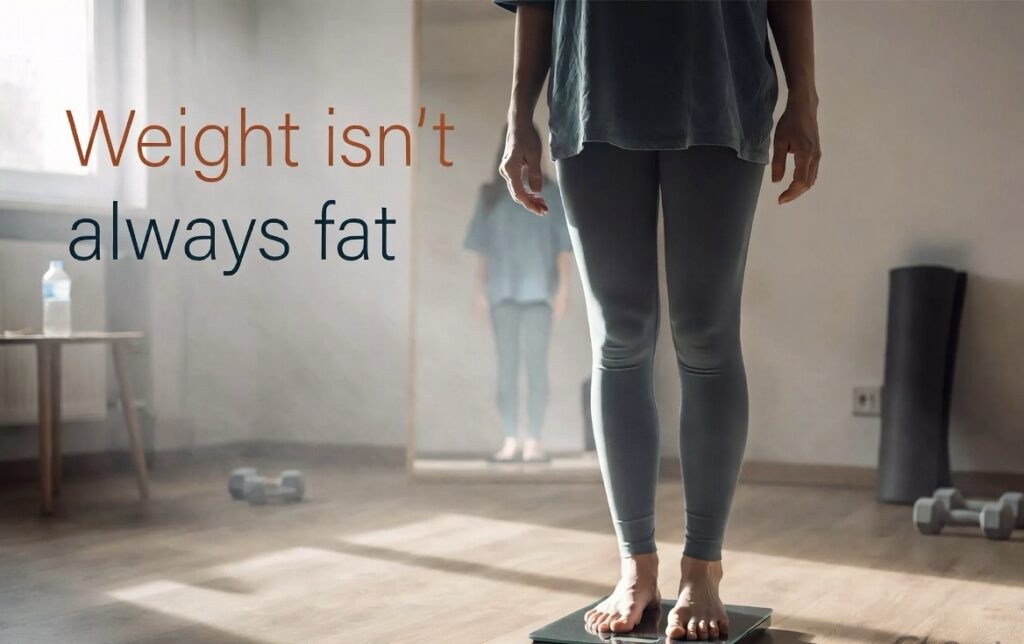
The biggest mistake people make is trusting the weighing scale too much. Your body weight includes fat, muscle, water, and even digestion weight.
So when you lose “weight,” you might actually be losing:
- Water weight (temporary)
- Muscle mass (unhealthy)
- Very little actual fat
According to Harvard Health Publishing, rapid weight loss often leads to muscle loss and metabolic slowdown, which makes long-term progress harder.
This is why asking should i focus on fat loss or weight loss is important before starting any fitness plan.
Fat Loss vs Weight Loss: A Clear Difference
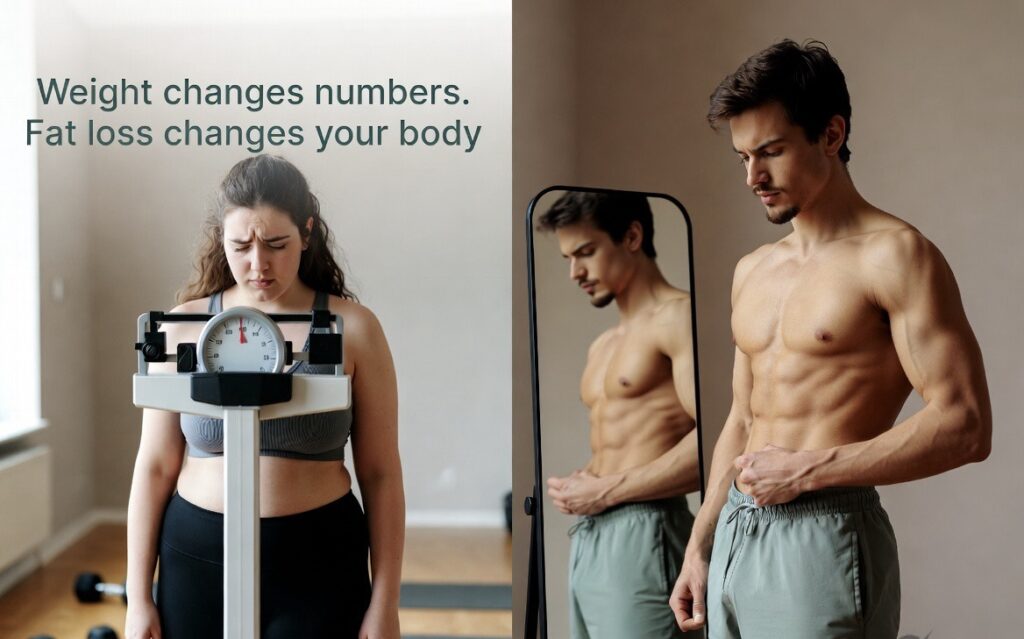
Weight Loss means reducing overall body weight. It includes fat, muscle, and water.
Fat Loss means specifically reducing body fat while maintaining muscle.
In simple terms, weight loss changes the number on the scale, but fat loss changes your body shape, strength, and health.
What Health Experts Recommend
Most global health organizations emphasize reducing excess body fat rather than just lowering weight.
The World Health Organization (WHO) highlights that excess body fat increases the risk of serious health conditions such as heart disease, diabetes, and certain cancers.
The Centers for Disease Control and Prevention (CDC) recommends gradual, steady weight loss because it helps retain muscle and supports fat reduction.
Similarly, the NHS (UK National Health Service) advises focusing on sustainable lifestyle changes instead of rapid weight loss methods.
All of this clearly answers the question: should i focus on fat loss or weight loss fat loss is the healthier and more effective choice.
What Happens When You Focus Only on Weight Loss
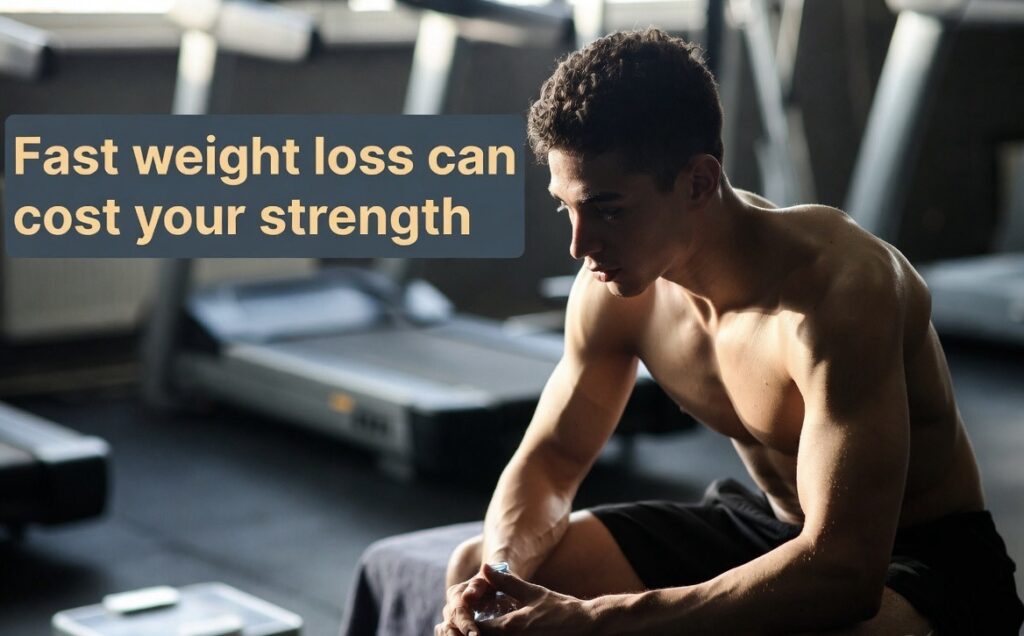
Many people follow extreme diets or overdo cardio to lose weight quickly. While this may reduce numbers on the scale, it often leads to:
- Loss of muscle mass
- Low energy levels
- Slower metabolism
- Quick weight regain after stopping
Research-backed guidance from National Heart, Lung, and Blood Institute (NHLBI) shows that sustainable fat loss comes from consistent habits, not extreme short-term efforts.
Real-Life Example That Makes It Clear
Imagine two people both losing 5 kg. One uses crash dieting with no exercise. The other follows a balanced diet and includes strength training.
The first person loses water and muscle. The second loses mostly fat. Even though the scale shows the same number, their bodies look completely different. This is the real difference behind should i focus on fat loss or weight loss.
Want to know what cardio really does? Check this: Cardio Burns Fat or Just Weight?
How to Focus on Fat Loss in a Practical Way

1. Improve Food Quality
Instead of eating less, focus on eating better. Include protein-rich foods, whole foods, and balanced meals.
Protein is especially important because it helps preserve muscle during fat loss, as supported by nutrition guidance from Harvard T.H. Chan School of Public Health.
2. Add Strength Training
Strength training helps maintain muscle and improves metabolism. This allows your body to burn more calories even at rest.
3. Use Cardio Smartly
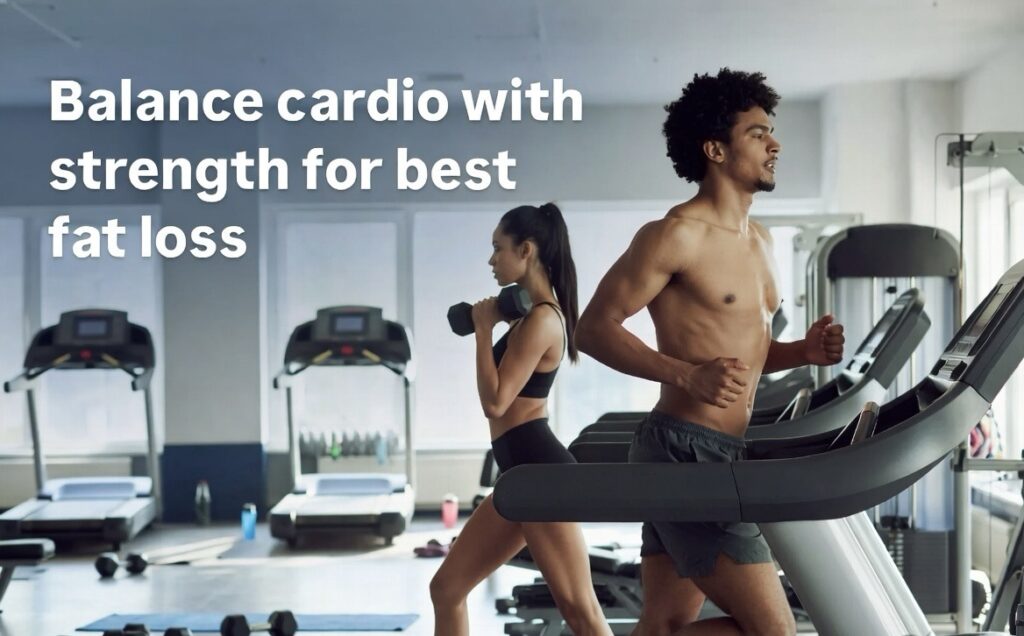
Cardio helps burn extra calories, but relying only on cardio can lead to muscle loss. A mix of strength training and cardio works best.
4. Track the Right Progress
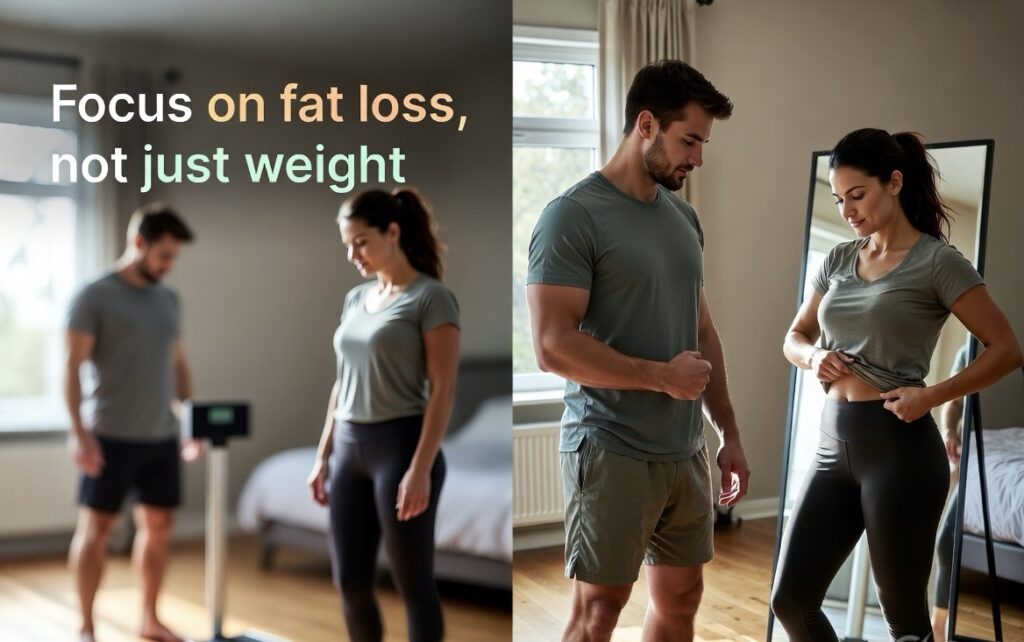
Instead of checking weight daily, track waist size, body shape, and how your clothes fit. These are better indicators of fat loss.
5. Be Consistent, Not Extreme
According to the CDC, a safe and effective fat loss rate is about 0.5 to 1 kg per week. This ensures sustainable progress.
Why Sustainable Habits Matter More

Fast results may feel exciting, but they rarely last. Most people regain weight because they follow plans they cannot maintain.
Building simple habits like eating balanced meals, staying active, and sleeping well creates long-term fat loss without extreme effort.
This approach is also supported by global guidelines from the WHO Physical Activity Recommendations, which focus on consistency over intensity.
Conclusion: The Right Focus for Real Results
If you are still thinking about should i focus on fat loss or weight loss, the answer is clear when you look at long-term results.
Weight loss alone may reduce the number on the scale, but it doesn’t guarantee a healthier or better-looking body. Fat loss, on the other hand, improves body composition, strength, and overall well-being.
Instead of chasing quick results, focus on building a routine you can follow consistently. Eat balanced meals, include strength training, and give your body time to adapt.
Real transformation doesn’t come from losing weight fast. It comes from losing fat the right way and maintaining those results for life.
Confused about your fitness journey? Read this guide: Fat Loss vs Weight Loss: The Real Difference Most People Don’t Know
FAQs
1. Should I focus on fat loss or weight loss for best results?
You should focus on fat loss because it improves body composition and supports long-term health.
2. Can I lose fat without big changes on the scale?
Yes. Fat loss with muscle gain can keep your weight stable while improving body shape.
3. Why does fast weight loss not last?
Because it often includes water and muscle loss, which leads to quick regain once normal eating resumes.
4. How do I confirm fat loss?
Check measurements, body shape, and strength improvements instead of relying only on weight.
5. Is slow fat loss more effective?
Yes. It helps maintain muscle and makes results sustainable over time.
6. Do I need strict dieting for fat loss?
No. A balanced and consistent approach works better than extreme dieting.
© NexafitX — Helping people build healthier lifestyles worldwide.