

Introduction
Many people want to lose weight, but not everyone enjoys intense workouts like running, jumping, or high-intensity training. For beginners, busy professionals, older adults, or people with joint pain, hard workouts can feel overwhelming or even unsafe.
The good news is that fat loss does not require extreme exercise. Low-impact workouts can help you burn calories, improve fitness, and lose weight in a sustainable way without putting excessive stress on your knees, hips, or back.
This guide explains how low-impact exercise works, why it is effective, and how you can start today.
10 Minute Home Workout for Weight Loss, No Jumping? Head here to understand everything in simple steps
What Are Low-Impact Workouts?
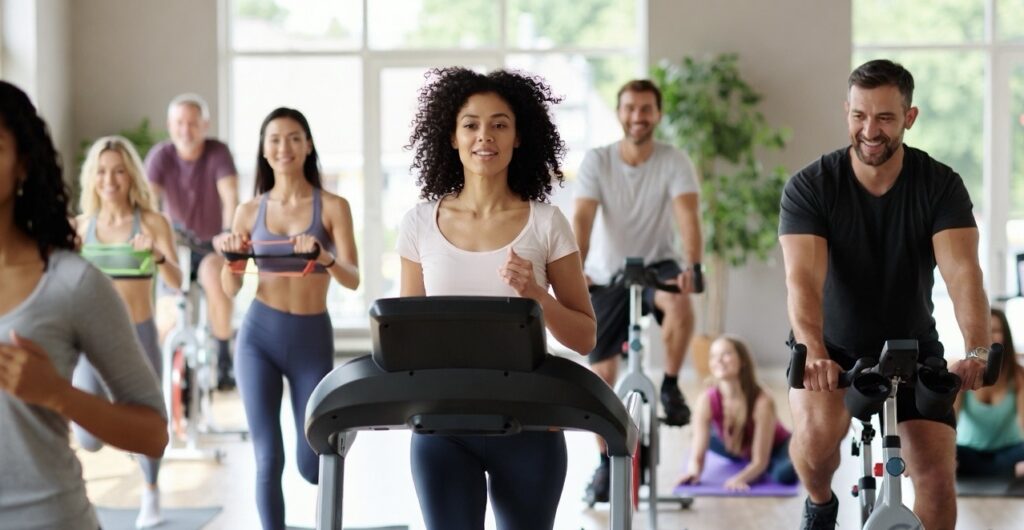
Low-impact workouts are exercises where at least one foot stays on the ground or movements are gentle on joints. These workouts reduce strain while still raising your heart rate.
Common examples include brisk walking, cycling, swimming, elliptical training, resistance band exercises, bodyweight strength training, and yoga or Pilates. Unlike high-impact workouts, these movements focus on consistency and endurance rather than explosive motion.
Workouts to Burn Fat Without Jumping or Running? Read here to explore step-by-step workout plan
Can Low-Impact Exercise Really Burn Fat?
Yes fat loss depends mainly on creating a calorie deficit, not on how intense a workout looks. Physical activity helps the body use more energy, which supports weight loss and long-term weight maintenance when combined with healthy eating.
Learn more from the CDC: CDC Physical Activity and Healthy Weight Guide
Low-impact workouts allow people to exercise longer and more consistently, which often leads to better fat-loss results over time.
The Science Behind Gentle Fat Loss
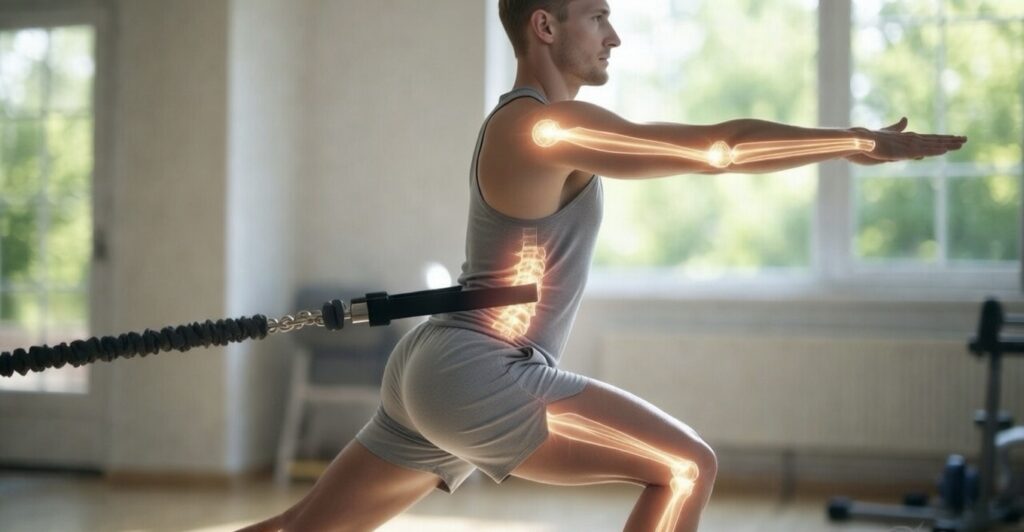
Research from global health organizations shows that moderate activity performed regularly improves metabolism, heart health, and body composition. The World Health Organization recommends adults complete at least 150 minutes of moderate physical activity weekly for major health benefits.
Official WHO recommendations: WHO Physical Activity Recommendations
Low-impact exercise works because it reduces injury risk, allows faster recovery, keeps stress hormones lower, and makes consistency easier. Consistency is the real driver of sustainable fat loss.
Can I Get in Shape Without Intense Workouts? Refer here to get the complete guide
Best Low-Impact Exercises for Beginners

Effective beginner options include brisk walking for steady calorie burn, stationary cycling for lower-body strength without knee stress, swimming or water aerobics for joint support, resistance band training to build muscle, and slow strength training such as controlled squats and wall push-ups.
Experts from the National Institutes of Health emphasize that combining physical activity with lifestyle habits helps maintain long-term weight control.
Beginner Weekly Low-Impact Workout Plan
You don’t need complicated routines. Start simple:
Monday – 25 minutes brisk walk
Tuesday – Light strength training (20 minutes)
Wednesday – Rest or stretching
Thursday – Cycling or walking (30 minutes)
Friday – Resistance band workout
Saturday – Yoga or mobility session
Sunday – Active recovery walk
Start slowly and increase duration over time.
Common Mistakes That Slow Fat Loss

Many beginners struggle because they exercise too hard too soon, ignore recovery days, expect fast results, skip strength training, or fail to stay consistent. Sustainable routines are more effective than short bursts of extreme exercise.
Extra Habits That Improve Results
Low-impact workouts work best when combined with healthy lifestyle choices such as sleeping 7–8 hours regularly, staying hydrated, eating balanced meals with protein and fiber, reducing long sitting periods, and tracking progress weekly instead of daily.
Who Should Choose Low-Impact Training?
Low-impact workouts are ideal for beginners, people over 35, individuals returning after a long break, those with joint discomfort, overweight individuals, and anyone wanting sustainable fat loss.
Final Thoughts
You do not need painful or exhausting workouts to lose weight. Gentle, consistent movement can produce powerful results when practiced regularly. Low-impact training proves that fitness can be safe, enjoyable, and sustainable.
Start small, stay consistent, and allow your body to improve gradually. The best workout is the one you can continue for years — not just weeks.
© NexafitX — Helping people build healthier lifestyles worldwide.