
If you’ve ever quit a workout plan because it felt too exhausting, you’re not the only one. A lot of people start strong, then lose consistency because the routine feels too intense to maintain.
So the real question is: can I get in shape without intense workouts? The answer is yes and for most people, this approach actually works better in the long run.
According to this CDC physical activity guideline, moderate, consistent movement is enough to improve overall fitness and health. You don’t need extreme routines to see real results.
10 Minute Home Workout for Weight Loss, No Jumping? Read more here to explore full details
What Getting in Shape Actually Means
Before anything else, it’s important to understand what “getting in shape” really looks like in real life.
- Having steady energy throughout the day
- Feeling less tired doing basic activities
- Improving strength and mobility
- Maintaining a healthy body weight
It’s not about pushing your limits daily. It’s about building a routine you can actually stick to.
Why Intense Workouts Are Not Always Necessary
- Consistency beats intensity > A simple routine you follow daily works better than extreme workouts you quit after a week
- Your body adapts to movement > Even low-intensity activity improves metabolism and stamina
- Hard routines are difficult to sustain > Most people burn out quickly
- Daily habits matter more > Sleep, diet, and movement together decide your results
Based on this WHO physical activity report, regular light to moderate activity is enough to support long-term health.
Workouts to Burn Fat Without Jumping or Running? Head here to see all the details step by step
Simple Ways to Get in Shape Without Intense Workouts
Make Walking a Daily Habit
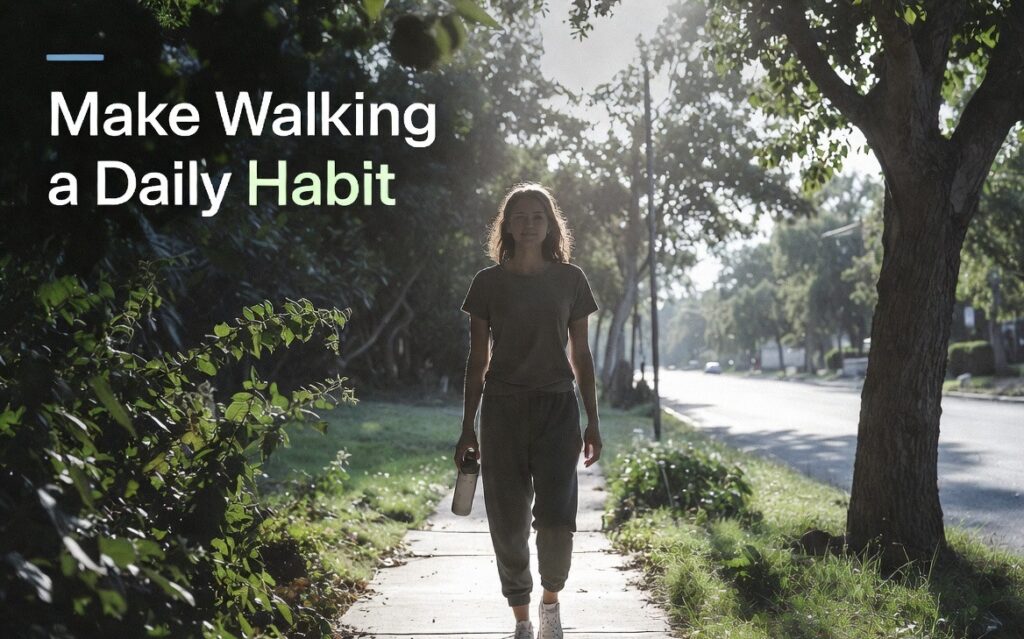
Walking might feel too basic, but it’s one of the most effective ways to stay active. If you have a desk job or spend most of your day sitting, even adding two short walks can make a noticeable difference within a few weeks.
- Aim for 6,000–10,000 steps daily
- Start with 10–15 minute walks and build up gradually
- Walk after meals to support digestion and activity
The key is not speed, but consistency. A relaxed daily walk done regularly works better than occasional intense sessions.
Add Short, Simple Bodyweight Exercises
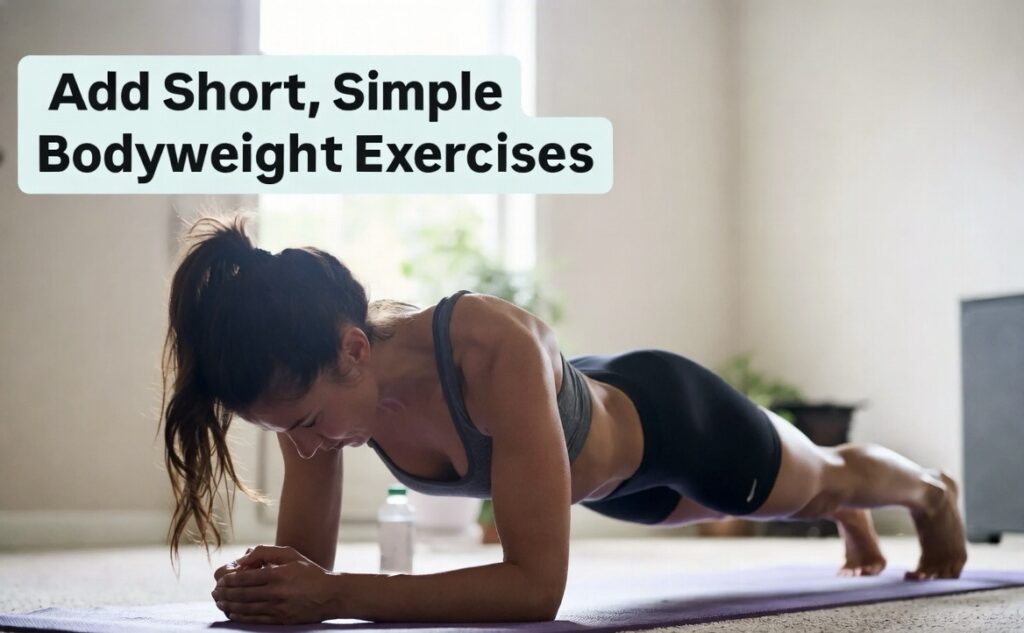
You don’t need a gym or long workouts. Just a few basic movements at home can help build strength over time.
- Squats for lower body strength
- Wall push-ups if regular push-ups feel difficult
- Plank for core stability
- Lunges to improve balance and coordination
Even 10–15 minutes a day is enough. Focus on doing each movement slowly and correctly rather than rushing through reps.
I Hate Exercise: What Is the Easiest Way to Lose Weight Without Workouts? Read here to explore step-by-step explanation
Increase Daily Movement (Without Calling It Exercise)
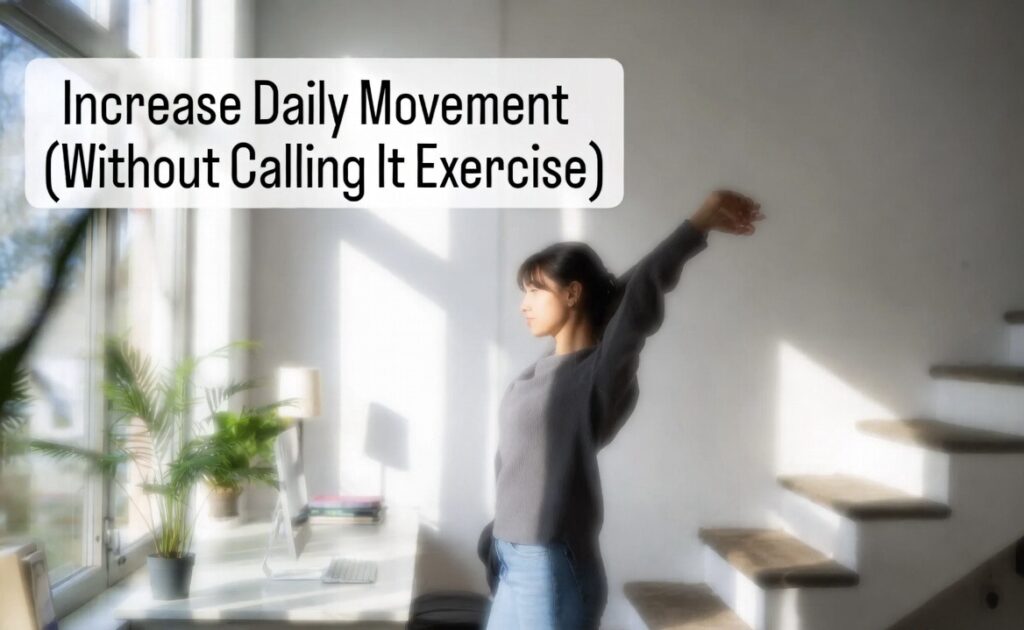
Most people underestimate how much daily movement matters. Small actions throughout the day can burn more calories than a single workout.
- Take stairs instead of elevators
- Stand up and stretch every hour
- Do small tasks like cleaning or organizing yourself
This approach is especially useful if you don’t enjoy traditional workouts.
Fix Your Diet First

No matter how you exercise, your diet plays the biggest role in how your body looks and feels.
- Reduce packaged and highly processed foods
- Include more protein (eggs, beans, lean meats)
- Add fiber-rich foods like fruits and vegetables
- Stay hydrated throughout the day
According to this WHO healthy diet guide, a balanced diet is essential for maintaining a healthy body and preventing lifestyle-related issues.
Take Sleep Seriously

If your sleep is poor, your results will slow down no matter what you do during the day. Recovery is just as important as activity.
- Aim for 7–9 hours of sleep
- Keep a consistent sleep schedule
- Avoid screens right before bed
Good sleep improves energy, focus, and overall recovery.
Choose Low-Impact Activities You Enjoy

You don’t have to force yourself into workouts you dislike. Pick something you can actually enjoy doing regularly.
- Yoga for flexibility and relaxation
- Cycling for light cardio
- Stretching routines to reduce stiffness
The easier it feels to continue, the more likely you are to stay consistent.
A Simple Daily Routine You Can Start

If you’re not sure how to combine everything, here’s a basic routine you can follow:
- Morning: 10–15 minute walk
- During the day: Stay active, avoid long sitting
- Evening: 10–15 minutes of simple bodyweight exercises
- Night: Focus on proper sleep
This may look simple, but when done daily, it creates real, visible results over time.
Things That Slow Down Your Progress
Many people don’t fail because the method doesn’t work. They fail because of avoidable mistakes:
- Trying to do too much in the beginning
- Expecting fast results and losing patience
- Ignoring diet while focusing only on exercise
- Being consistent for a few days, then stopping
Keep your approach simple and repeatable.
What Kind of Results Should You Expect?

When you stay consistent with these habits, changes happen gradually but clearly:
- First few weeks: Better energy and less fatigue
- 1–2 months: Improved stamina and daily activity feels easier
- 3 months: Visible improvement in body shape and strength
The progress may feel slow at first, but it’s more sustainable and long-lasting.
Final Takeaway
Can I get in shape without intense workouts? Yes, and for many people, this is the smarter way to do it.
You don’t need extreme routines. What you need is a simple plan you can follow daily without feeling overwhelmed. Start small, stay consistent, and your body will adapt over time.
For additional guidance, you can also refer to this NHS exercise guide, which explains how simple, consistent activity supports long-term fitness.
FAQs
1. Can I really get in shape without intense workouts?
Yes, you can. As long as you stay consistent with daily movement, simple exercises, and a balanced diet, your body will gradually improve without needing extreme workouts.
2. How long does it take to see results without intense workouts?
Most people start noticing better energy within 2–3 weeks. Visible physical changes usually take around 6–12 weeks, depending on consistency and lifestyle habits.
3. Is walking enough to stay fit?
Walking is one of the most effective low-intensity activities. When combined with proper diet and basic strength exercises, it can help you stay fit and active.
4. Do I need to follow a strict diet?
You don’t need an extreme diet, but you do need a balanced one. Focus on whole foods, reduce processed items, and maintain portion control for better results.
5. Can beginners start without intense workouts?
Yes, beginners should actually avoid intense workouts at the start. A simple and manageable routine helps build consistency and reduces the risk of burnout or injury.
6. What is the biggest mistake people make?
The biggest mistake is trying to do too much too quickly. This often leads to frustration and quitting. Starting small and staying consistent works much better.
7. Do I need equipment or a gym?
No, you can get in shape using bodyweight exercises at home. Basic movements like squats, push-ups, and walking are enough to begin with.
8. Is low-intensity exercise effective for weight loss?
Yes, especially when combined with a proper diet. Weight loss depends more on calorie balance than workout intensity.
© NexafitX — Helping people build healthier lifestyles worldwide.