How Walking Lowers Blood Pressure Naturally (Easy Daily Routine That Works)
Many people don’t realize they have high blood pressure until it becomes a serious issue. There are usually no clear warning signs.
The good news is you don’t always need complicated routines to start improving it. Understanding how walking lowers blood pressure naturally can help you take a simple step toward better health.
No gym. No complex plan. Just a habit you can stick to.
Quick answer: Walking lowers blood pressure naturally by strengthening the heart, improving blood flow, and reducing stress hormones that increase pressure in your arteries.
According to trusted sources like American Heart Association and CDC, regular walking is one of the simplest ways to support healthy blood pressure levels.
Why High Blood Pressure Needs Attention
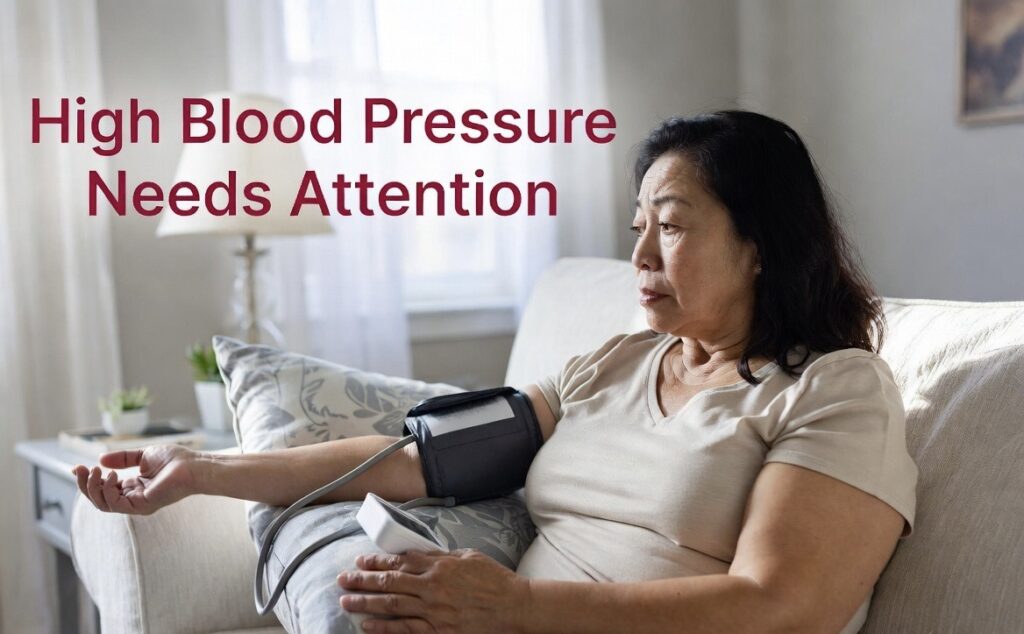
High blood pressure puts extra strain on your heart and blood vessels. Over time, this increases the risk of heart attack, stroke, and other complications.
Based on data from World Health Organization (WHO), hypertension is one of the leading causes of death globally but it’s also manageable with daily lifestyle habits.
How to calm down high blood pressure panic attack naturally Simple ways that may help you steady your breathing and reduce panic > explore here
How Walking Lowers Blood Pressure Naturally
Walking may feel simple, but the impact on your body is powerful when done consistently.
- Improves heart efficiency: A stronger heart pumps blood with less effort, reducing pressure on arteries
- Reduces stress hormones: Walking helps lower cortisol and adrenaline, which are linked to higher blood pressure
- Improves blood vessel flexibility: Regular movement keeps arteries more relaxed and less stiff
- Supports healthy weight: Even a small reduction in weight can improve blood pressure levels
- Enhances circulation: Better blood flow reduces resistance inside blood vessels
According to CDC physical activity guidelines, consistent moderate activity like walking can lower systolic blood pressure by around 4–9 mmHg.
Simple understanding when your body moves daily, your heart doesn’t have to work as hard. That’s where the real benefit comes from.
Drinks that may help lower blood pressure instantly. Simple options you can include in your daily routine, see here
Simple Walking Plan That Actually Works
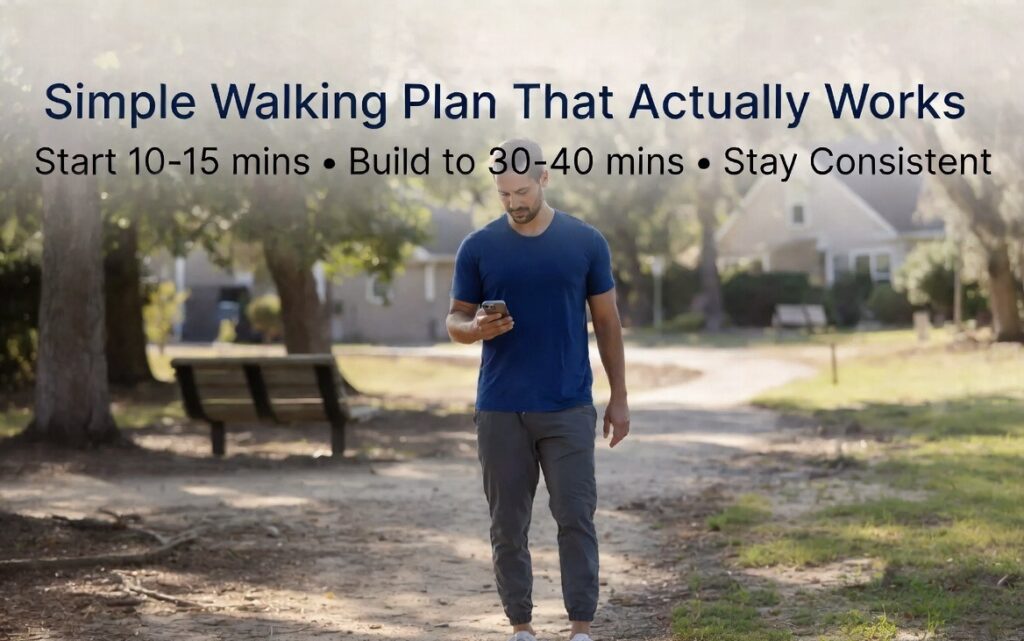
You don’t need a strict fitness routine. Keep it realistic so you can stay consistent.
- Start with 10–15 minutes per day if you’re new
- Gradually increase to 30–40 minutes daily
- Walk at a moderate pace (you can talk, but not comfortably sing)
- Aim for at least 5 days a week
- Target 7,000–10,000 steps daily
If you’re short on time:
- 10 minutes in the morning
- 10 minutes after lunch
- 10 minutes in the evening
This split routine works just as effectively.
What results to expect:
- 1–2 weeks: better energy and mood
- 3–4 weeks: slight improvement in blood pressure
- 6–8 weeks: more stable and noticeable results
Best Time to Walk (Keep It Realistic)
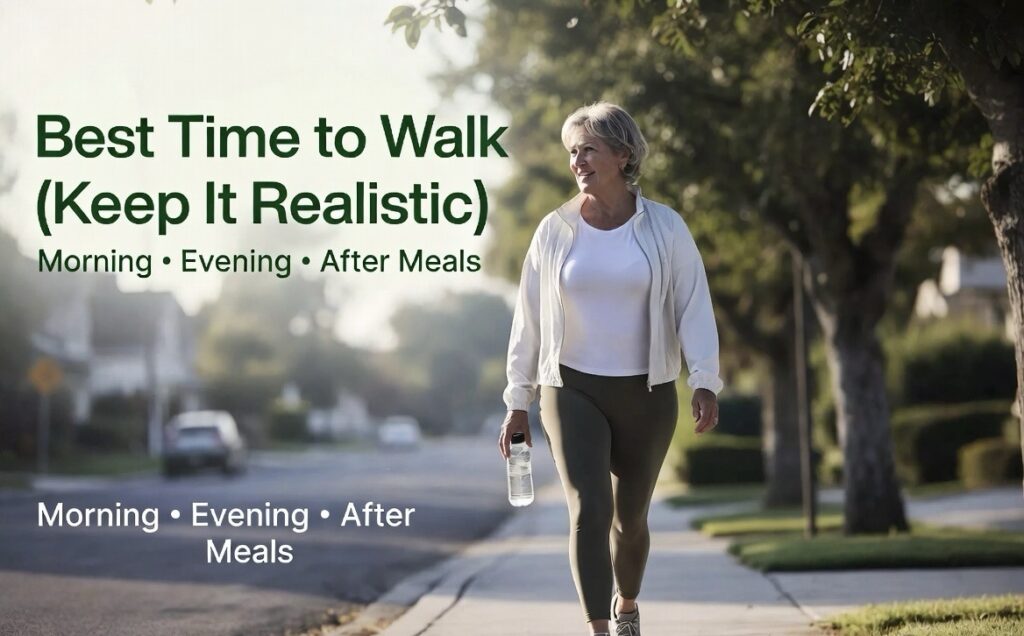
There’s no “perfect” time. The best time is the one you can follow daily.
- Morning: Helps build consistency and improves metabolism
- Evening: Reduces stress after a long day
- After meals: Helps with blood sugar control and supports heart health
Research shared by NHLBI suggests that spreading physical activity throughout the day can still provide strong cardiovascular benefits.
Simple rule don’t wait for the “perfect time.” Just walk when you can and stay consistent.
How long does it take to lower blood pressure naturally? What timelines you can realistically expect with lifestyle changes, check here
What Most People Miss (Important)
- Consistency matters more than speed
- Daily movement is better than long weekend workouts
- Small habits done regularly give long-term results
- Walking works best when combined with basic healthy eating
Practical Tips to Make Walking More Effective
- Wear comfortable shoes to avoid strain
- Maintain straight posture while walking
- Use a step tracker to stay accountable
- Choose parks or open areas when possible
- Stay hydrated, especially in warm weather
Mistakes That Can Hold Back Your Progress
- Walking only occasionally instead of daily
- Starting too fast and losing consistency
- Ignoring basic posture and breathing
- Stopping after a few days due to slow results
- Relying only on walking but ignoring diet and sleep
Keep it simple and sustainable that’s what actually works long-term.
A Practical Example You’ll Understand
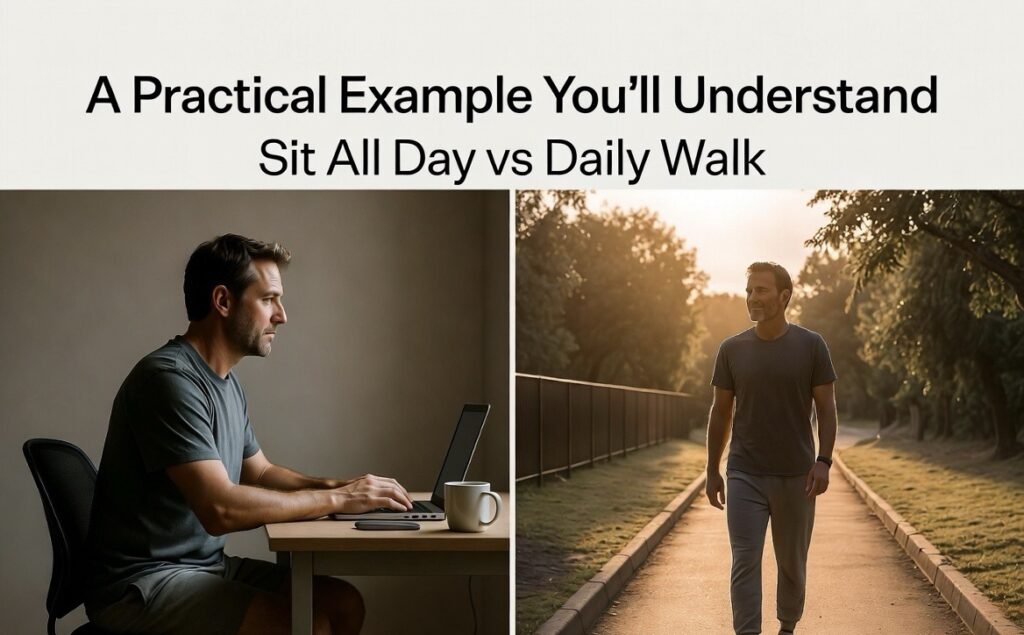
Think about a typical work routine.
One person spends most of the day sitting, barely moving. Another person adds a 30-minute walk daily nothing extreme.
Within a few weeks, the second person usually starts noticing:
- Lower stress levels
- Better stamina
- More stable blood pressure readings
It’s not about doing something intense. It’s about doing something consistently.
Quick Recap
- Walking is one of the simplest ways to support healthy blood pressure
- 30 minutes daily is enough for most people
- Consistency matters more than intensity
- Results build gradually over weeks
FAQs
1. How does walking lower blood pressure naturally?
Walking improves heart function, reduces stress hormones, and improves blood circulation, which helps lower blood pressure naturally.
2. How long should I walk daily?
30 minutes per day is ideal, but starting with 10–15 minutes also works.
3. Can walking replace medication?
No. Always consult your doctor before making changes to your treatment.
4. How quickly can I see results?
Most people notice changes within 3–6 weeks with regular walking.
5. Is treadmill walking effective?
Yes, as long as you stay consistent.
6. Can I split walking into short sessions?
Yes, multiple short walks can give similar benefits.
Final Note: Based on guidance from National Heart, Lung, and Blood Institute, daily habits like walking play a key role in long-term blood pressure management.
If you already have diagnosed hypertension or are on medication, it’s always a good idea to consult your healthcare provider before making major lifestyle changes.
Start with just 10 minutes today. No pressure just consistency.
© NexafitX — Helping people build healthier lifestyles worldwide.