Maybe it happened while you were just sitting normally.
No stress, nothing unusual and suddenly your heart starts racing, breathing feels off, and your mind jumps straight to “what if my blood pressure is going too high?
If you’re here trying to understand how to calm down high blood pressure panic attack naturally, this is exactly the kind of situation we’re talking about.
First, one thing you should know panic can temporarily raise your blood pressure, but that doesn’t automatically mean something serious is happening.
As explained by the CDC blood pressure guide, stress and anxiety can cause short-term increases in blood pressure that usually settle once the body relaxes.
The real issue is the loop you feel symptoms, you panic, and that panic makes everything feel worse.
Quick Answer (What Actually Helps Fast)
- Slow your breathing (4-2-6 pattern)
- Sit down and ground yourself
- Avoid repeated BP checking
- Take small sips of water
- Remind yourself it will pass
These small actions help you break the panic cycle early.
How long does it take to lower blood pressure naturally? What real timelines look like with consistent lifestyle changes, read here
Why This Panic + High BP Feeling Happens
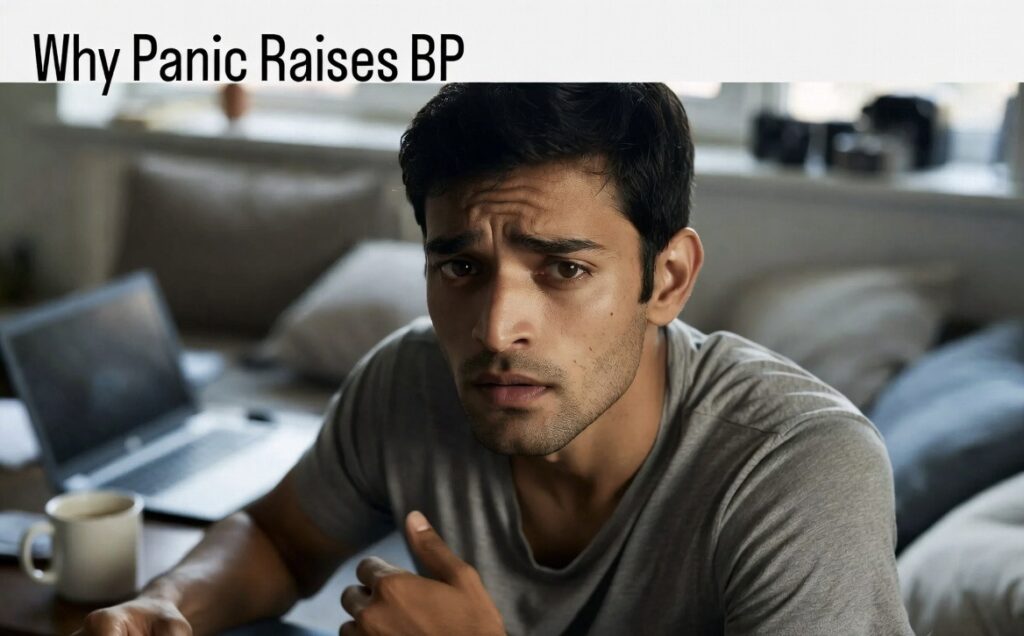
Your body shifts into a stress response.
Heart rate rises, breathing changes, and your blood pressure may go up for a short time.
This is your system reacting, not failing.
Common triggers people often miss:
- Too much caffeine, especially on an empty stomach
- Poor sleep for a few nights
- Overthinking health symptoms
- Sudden stress (work, money, relationships)
- Checking blood pressure again and again
- Dehydration
The WHO hypertension fact sheet also points out that lifestyle habits and stress levels directly influence blood pressure patterns.
Drinks that may help lower blood pressure instantly. Simple choices you can add to your daily routine, check here
How to Calm Down High Blood Pressure Panic Attack Naturally
This is where handling things the right way actually makes a difference.
Simple steps, done calmly, work better than overthinking.
Control Your Breathing First
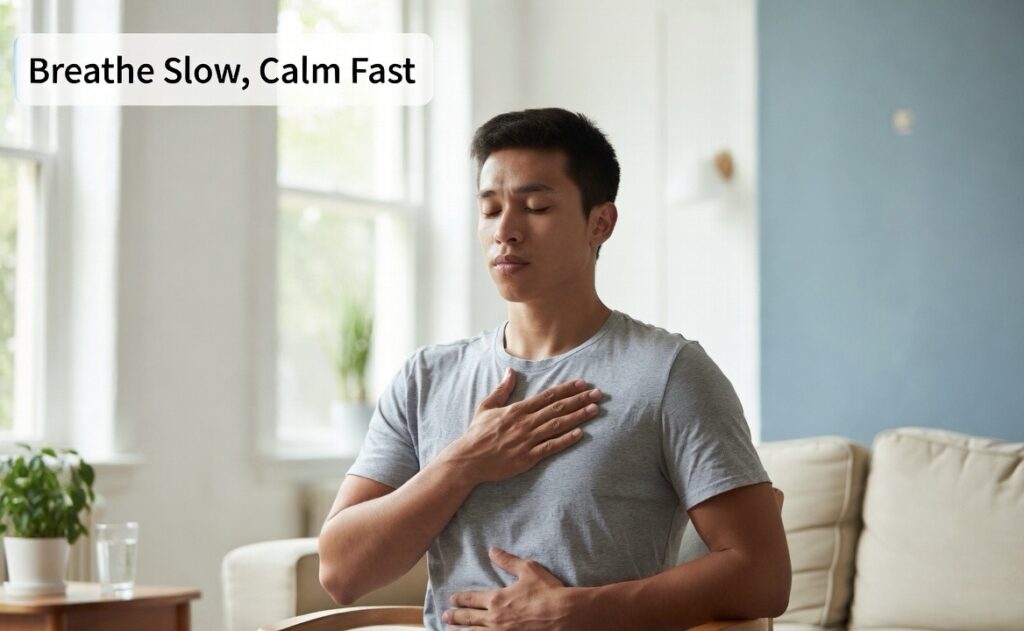
- Inhale through your nose for 4 seconds
- Hold for 2 seconds
- Exhale slowly through your mouth for 6 seconds
Continue this for 2–3 minutes.
Your breathing directly affects your nervous system. Once it slows down, your heart rate and pressure begin to settle.
Medical guidance from the NHLBI highlights that controlled breathing supports better cardiovascular response during stress.
Sit Down and Break the Panic Loop
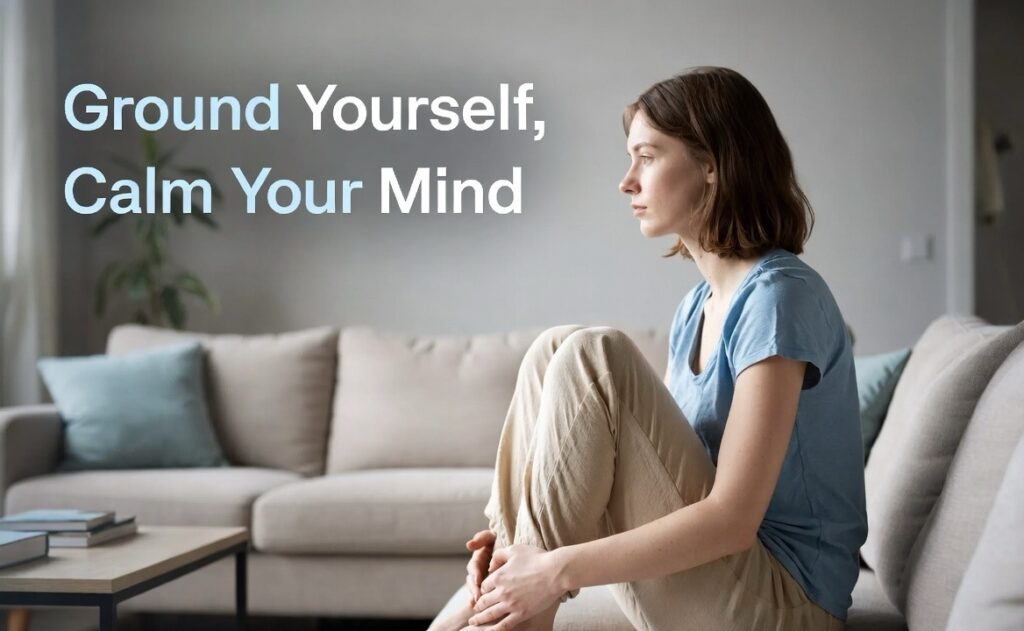
Don’t keep pacing or moving around.
- Place your feet flat on the ground
- Look around and name 5 things you can see
- Bring your focus back to the present
This helps your brain shift out of panic mode.
Stop Checking Your Blood Pressure Repeatedly
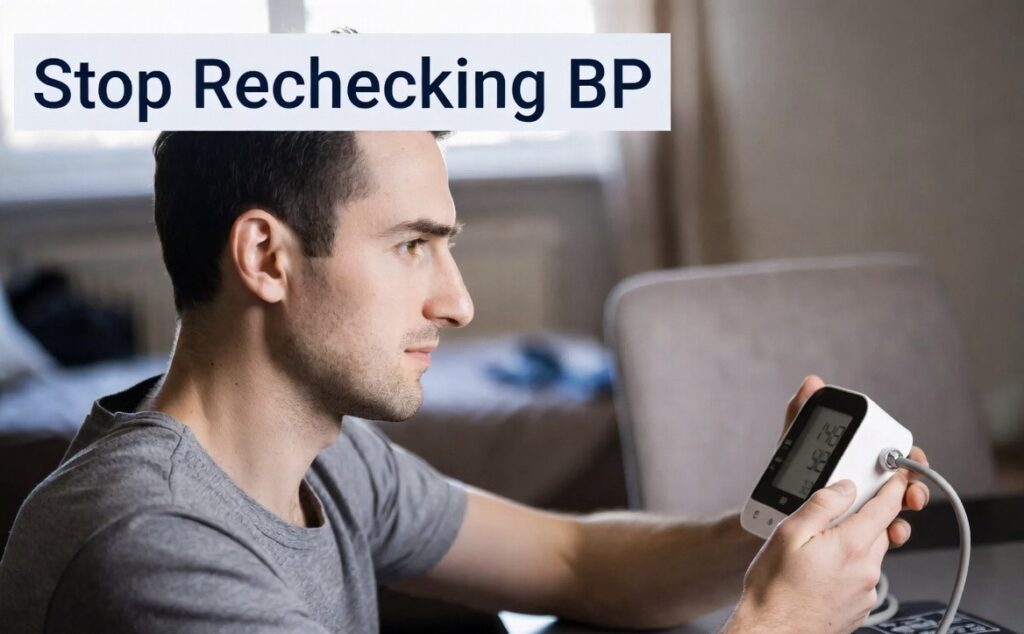
This habit often makes things worse.
Here’s what usually happens:
- You check once and see a slightly high reading
- You feel anxious
- You check again and it goes higher
Give your body at least 30–45 minutes before checking again.
Hydrate Slowly
- Take small sips of water
- Avoid drinking too fast
Even mild dehydration can increase that uneasy feeling.
Talk to Yourself Calmly

Keep it simple and real.
- “I’ve felt this before”
- “This will pass”
- “This is anxiety, not danger”
Your thoughts influence how long the panic lasts.
Get Fresh Air or Open Space
- Open a window
- Step outside if possible
- Loosen tight clothing
Small comfort changes help your body relax faster.
Don’t Try to Fight It Aggressively
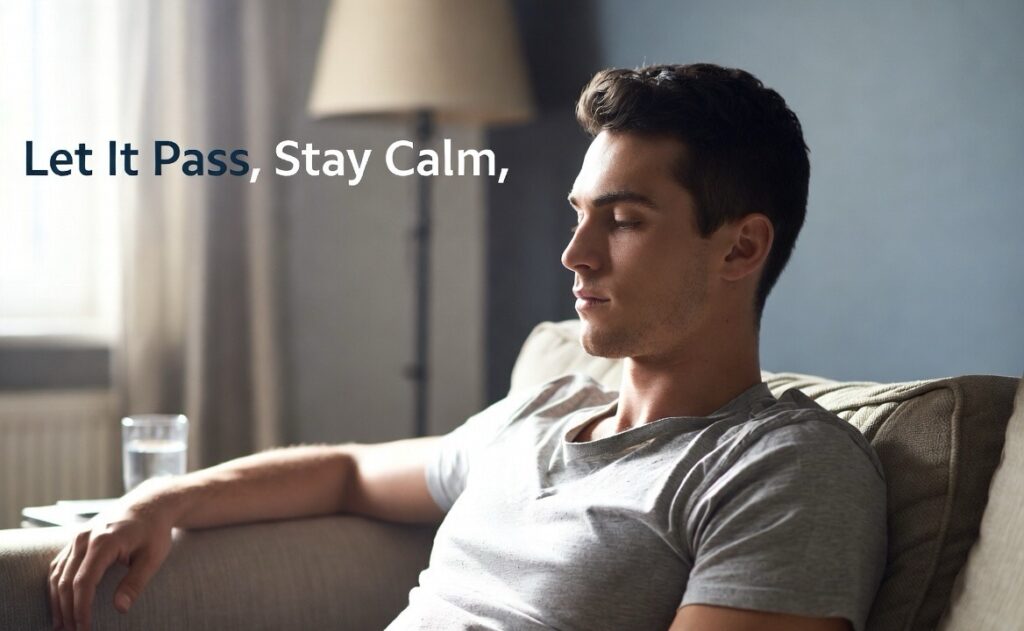
Trying to force it away can increase the intensity.
Instead, allow it to pass.
Think: “This is uncomfortable, but it will settle.”
Common Mistakes That Make It Worse
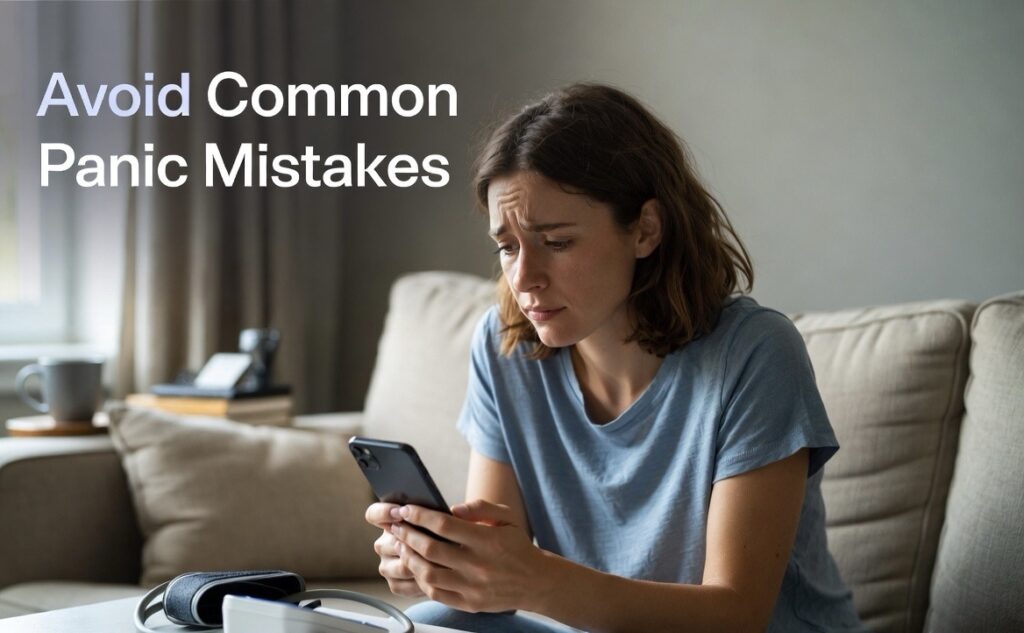
These are easy to miss but very common.
- Searching symptoms online during the episode
- Assuming it’s a serious heart problem every time
- Using caffeine to feel normal again
- Ignoring sleep and daily stress
- Pushing the feeling away instead of managing it
I’ve seen people check their BP multiple times within minutes, and each reading looks worse simply because anxiety is increasing.
Breaking this pattern helps more than most people expect.
What Helps Reduce Future Episodes
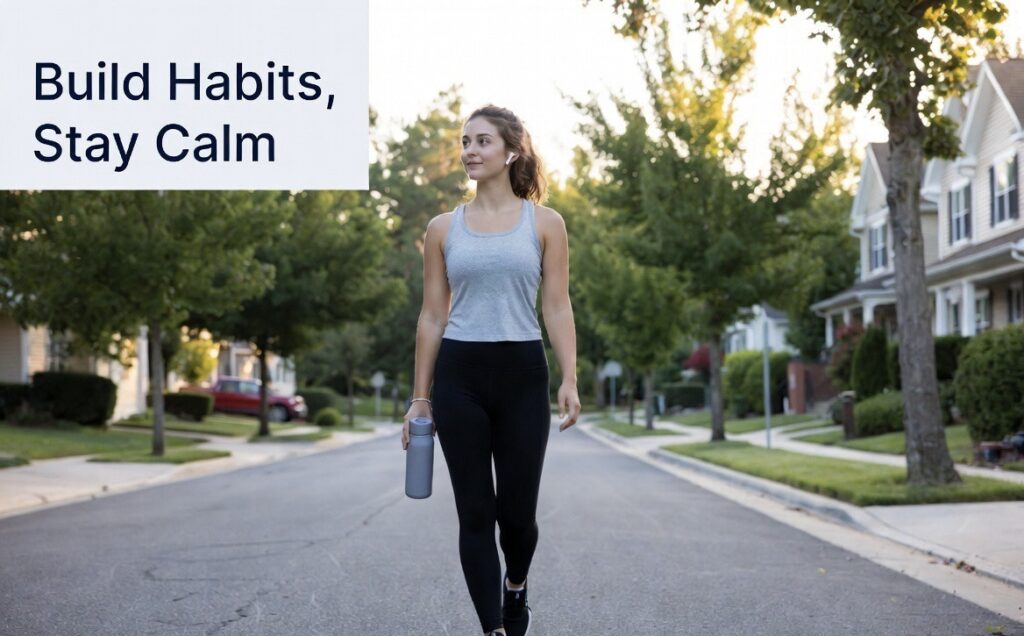
If this keeps happening, a few basic changes can help a lot.
- Reduce caffeine intake, especially later in the day
- Walk daily for 20–30 minutes
- Keep a consistent sleep routine
- Notice your personal triggers
Insights shared by the Mayo Clinic show that daily habits strongly impact blood pressure and stress levels.
How walking lowers blood pressure naturally
Simple daily habit that supports better heart health explore here
Quick Reality Check
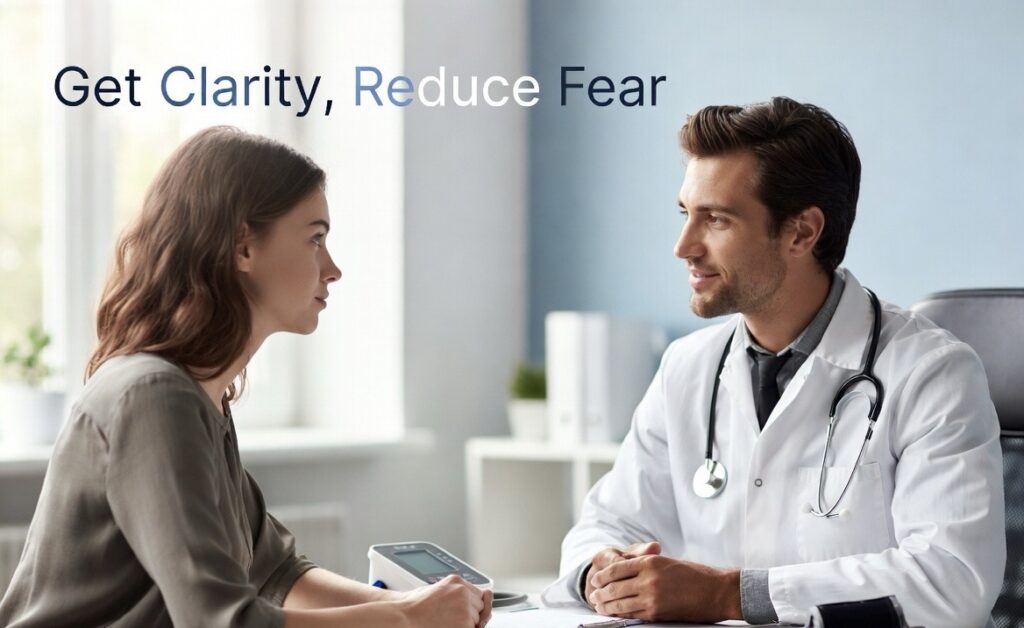
If you’re unsure whether it’s panic or something medical, get checked once.
That clarity removes a lot of unnecessary fear.
Once you know your body is okay, future episodes become easier to manage.
This content is based on real-world experiences and trusted public health sources, but it’s not a replacement for professional medical advice.
What You Should Remember
When it comes to how to calm down high blood pressure panic attack naturally, the goal is not perfection. It’s about stopping the panic loop early.
Breathing control, grounding, and not overreacting these three things make the biggest difference.
Stay consistent with these, and you’ll notice real improvement over time.
For deeper reading, you can explore this American Heart Association resource.
FAQs
Can a panic attack cause long-term high blood pressure?
No, panic attacks usually cause temporary spikes. Long-term high blood pressure is typically linked to lifestyle, genetics, or underlying health conditions.
How do I know if it’s a panic attack or real high blood pressure?
Panic attacks come with sudden fear, fast heartbeat, and shortness of breath. If you’re unsure, it’s best to check with a doctor once to rule out any medical issue.
Is it safe to lie down during a panic attack?
Yes, but many people feel better sitting upright. Choose the position where your breathing feels easiest and most comfortable.
What should I avoid eating or drinking during these episodes?
Avoid caffeine, energy drinks, and heavy meals during or right before a panic episode, as they can make symptoms feel worse.
Can dehydration trigger panic with high blood pressure feeling?
Yes, even mild dehydration can increase heart rate and make anxiety symptoms feel stronger, which can mimic or trigger panic.
Should I check my blood pressure immediately after a panic attack?
It’s better to wait at least 30–60 minutes. Checking too soon may show temporarily elevated numbers due to anxiety.
Can breathing exercises lower blood pressure instantly?
They may not drop it instantly, but they help calm your nervous system, which gradually brings heart rate and pressure back to normal.
When should I seek medical help?
If symptoms feel different than usual, last longer than expected, or include chest pain, it’s safer to get medical attention right away.
© NexafitX — Helping people build healthier lifestyles worldwide