Can Vegan Protein Support Heavy Weight Training? What Most Lifters Figure Out After Switching
A guy at my old gym used to bench heavy almost every session, and honestly, nobody believed he was vegan at first.
People kept asking him where he got his protein from like it was some impossible mystery.
But after watching him train for months, it became pretty obvious that the real difference wasn’t meat vs plants. It was whether someone actually ate enough quality food and stayed consistent with training.
That’s why the question can vegan protein support heavy weight training keeps getting more attention now. More lifters are building strength on plant-based diets without struggling the way people expect.
The Academy of Nutrition and Dietetics explains that properly planned vegetarian and vegan diets can support athletic performance and muscle recovery.
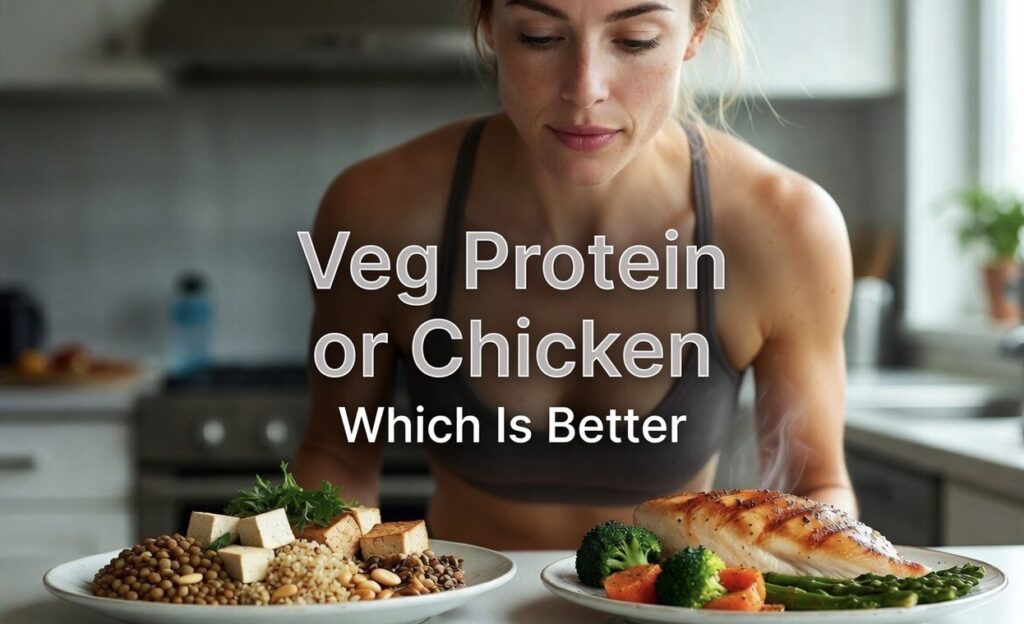
Veg Protein or Chicken Which Is Better? What works best for bodybuilding
Why Vegan Protein Gets Questioned So Much
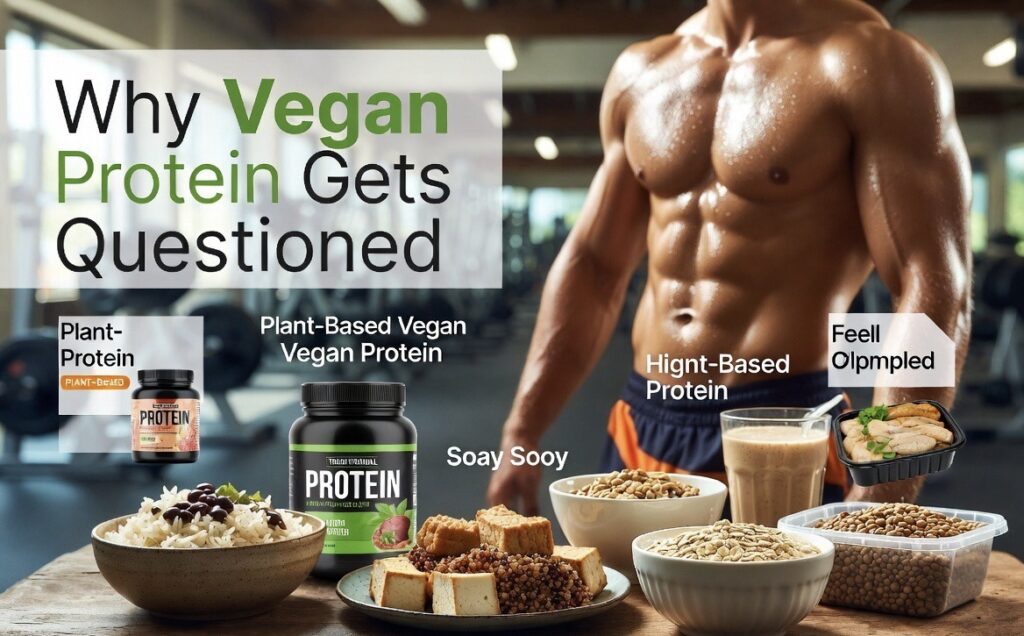
A lot of gym culture still revolves around chicken breast, eggs, whey shakes, and high-meat diets.
So when someone says they train heavy without animal products, people assume muscle growth will automatically suffer.
The confusion mostly comes from amino acids and protein quality.
Animal proteins naturally contain all essential amino acids in strong amounts. Some plant proteins contain lower amounts of certain amino acids, especially leucine, which helps support muscle protein synthesis.
But in real life, most vegan lifters solve this pretty easily by eating different protein sources throughout the day.
- Rice with beans
- Tofu with quinoa
- Oats with soy milk
- Lentils with whole grains
- Pea protein shakes after workouts
You don’t need every single meal to be perfect. Your body uses amino acids from different foods over time.
Can Vegan Protein Support Heavy Weight Training for Muscle Growth?
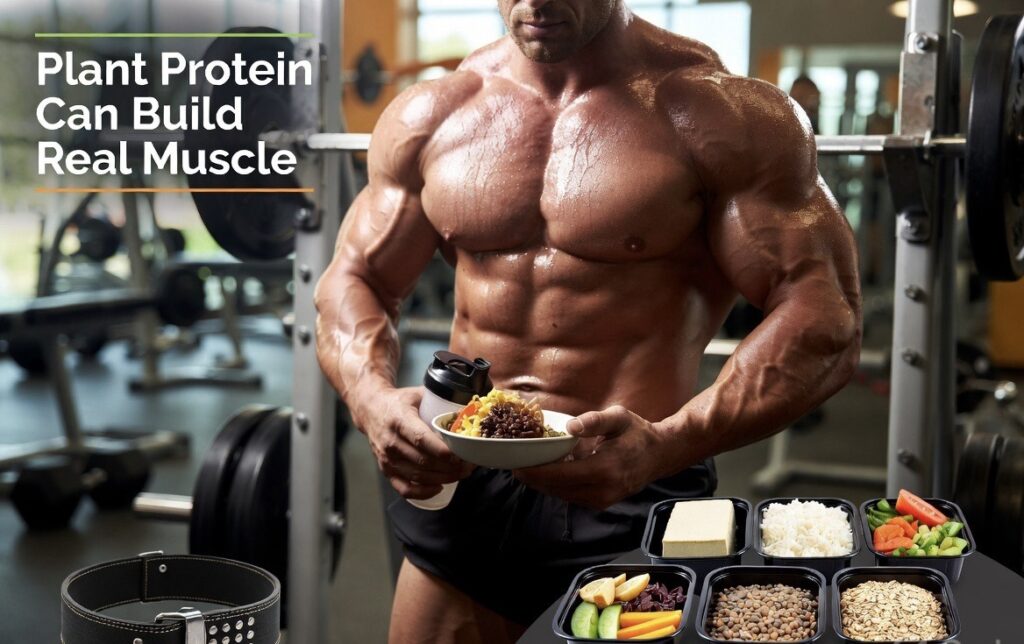
Yes, if calorie intake and protein intake are handled properly.
This is where many beginners mess up.
Some people switch to vegan eating and accidentally start under-eating because their meals become too light. Salads, fruit bowls, and snacks won’t support heavy squats and intense lifting sessions for long.
Strength training needs fuel.
Most lifters trying to build muscle usually aim for around 1.6 to 2.2 grams of protein per kilogram of body weight daily depending on training intensity and goals.
Research published through the National Library of Medicine shows that total daily protein intake plays a major role in muscle growth and recovery during resistance training.
And honestly, many non-vegan gym-goers don’t hit their protein goals consistently either. Vegan diets just make people pay more attention to nutrition because they actually have to think about meal structure.
Why Bodybuilders Still Prefer Meat Protein Sources? Nutrition truth revealed
Best Vegan Protein Foods for Heavy Lifters
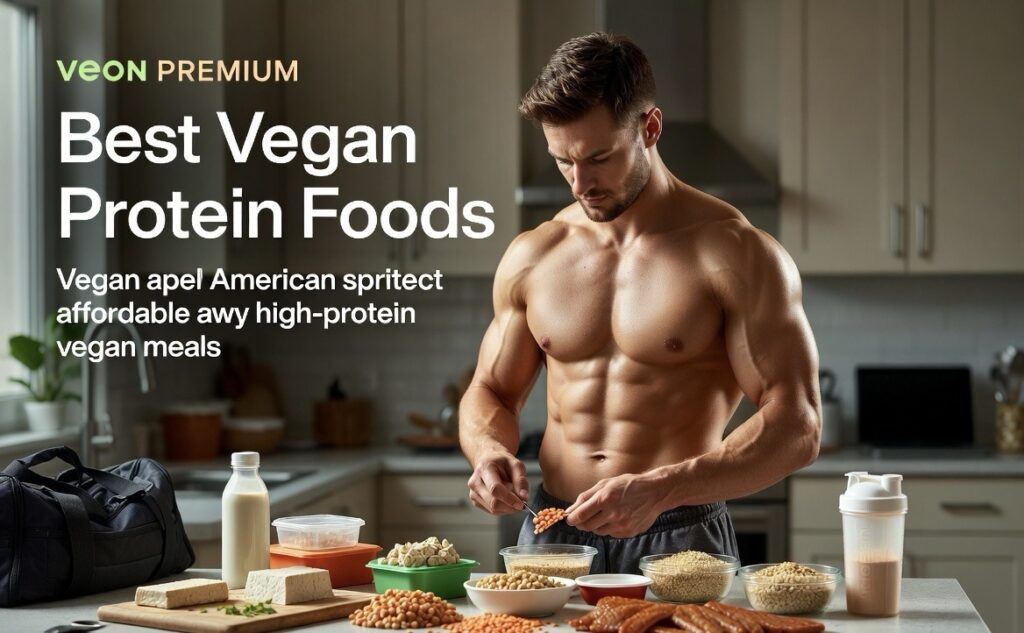
You don’t need expensive health-food-store products every day.
Some of the best vegan protein foods are simple, affordable, and easy to build meals around.
- Tofu: High protein and easy to cook in different ways
- Tempeh: Filling and great for meal prep
- Lentils: Protein plus workout-friendly carbs
- Chickpeas: Useful for meals and snacks
- Soy milk: Better protein content than most plant milks
- Pea protein powder: Convenient after training
- Seitan: Extremely high protein if gluten isn’t an issue
- Quinoa: Good balance of carbs and protein
A friend of mine who switched from whey to plant-based protein last year said the hardest part wasn’t workouts at all. It was learning how to stop eating random low-protein meals during busy workdays.
That’s usually the real challenge.
Where Vegan Lifters Usually Struggle
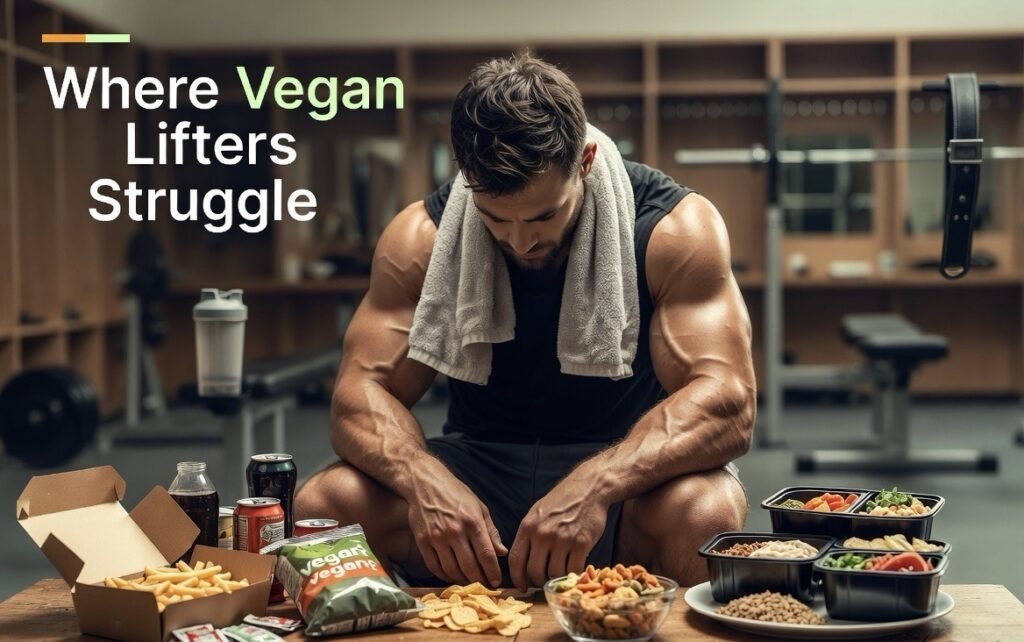
Most problems happen because the overall diet becomes inconsistent.
Not because vegan protein suddenly “stops muscle growth.”
- Skipping protein-rich meals after workouts
- Eating too little overall calories
- Depending heavily on processed vegan junk food
- Fear of carbs during muscle-building phases
- Ignoring sleep and recovery habits
- Not paying attention to vitamin B12 intake
One common mistake is assuming all vegan foods are automatically healthy.
You can technically eat fries, soda, and processed snacks all day on a vegan diet, but recovery and gym performance will probably feel terrible after a while.
Is Vegetarian Bodybuilding Actually Possible Naturally? Honest answer
Supplements That Actually Make Sense for Vegan Lifters
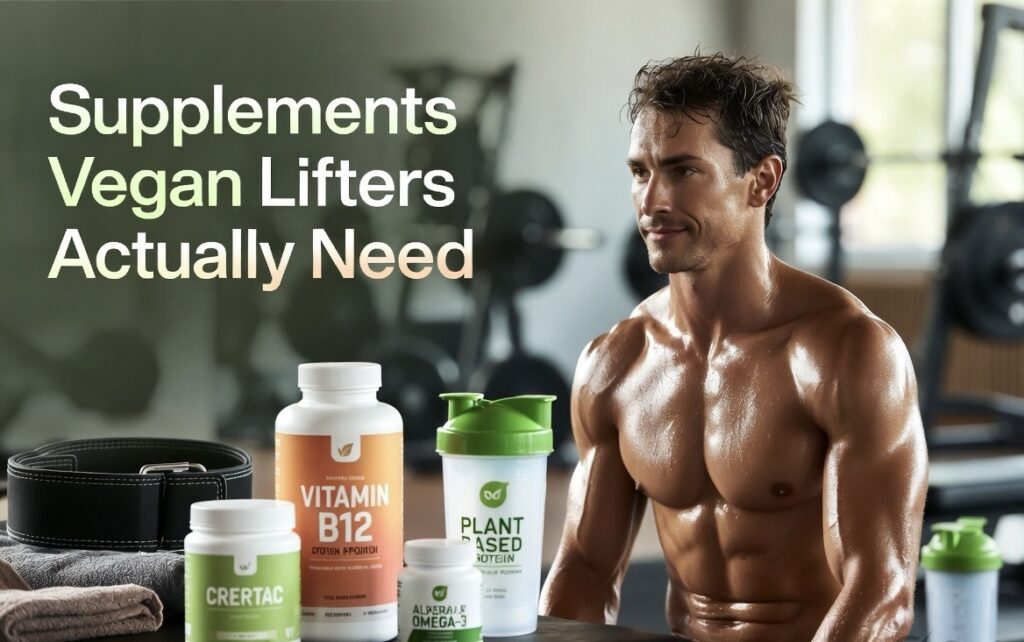
You don’t need a huge supplement stack.
But there are a few things that genuinely help if you train heavy multiple times per week.
- Vitamin B12: Important for energy production and long-term health
- Creatine: Supports strength and high-intensity performance
- Protein powder: Helpful during busy schedules
- Omega-3: Algae-based versions work well for vegans
The NIH Office of Dietary Supplements notes that creatine supplementation may improve strength and exercise performance during intense training.
Guidance shared in the NIH Vitamin B12 guide also explains why B12 intake matters for people following plant-based diets.
What a Practical High-Protein Vegan Day Looks Like
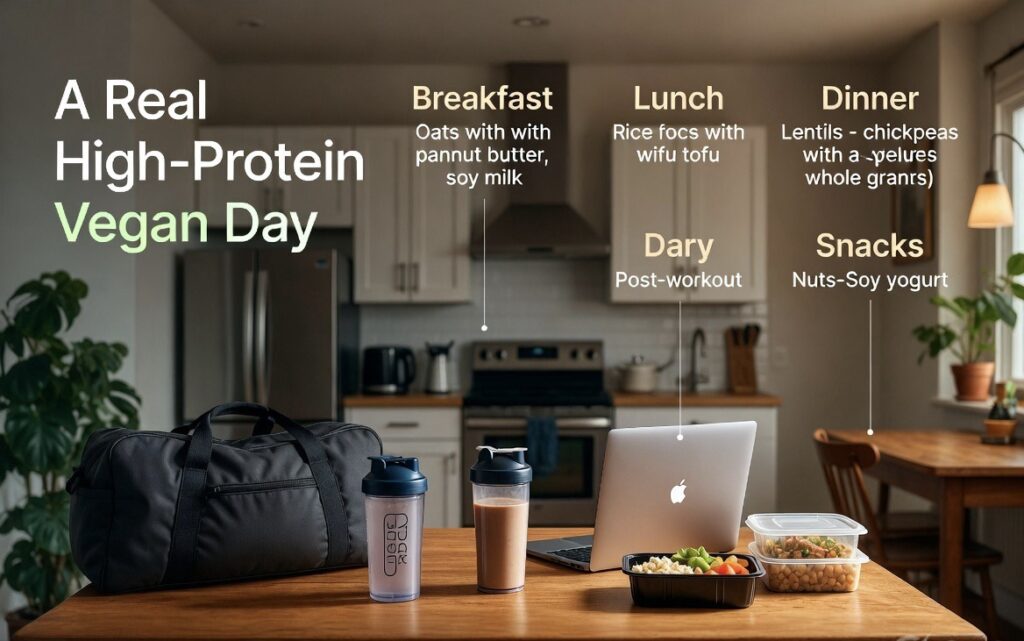
A realistic vegan muscle-building diet usually looks pretty normal once you stop overthinking it.
- Oats, peanut butter, and soy milk for breakfast
- Rice, tofu, and vegetables for lunch
- Protein shake after workouts
- Lentils or chickpeas with whole grains at dinner
- Nuts or soy yogurt as snacks
That’s the kind of structure many successful vegan lifters follow consistently.
Nothing extreme. Nothing trendy.
What Most People Notice After Training Vegan for a While
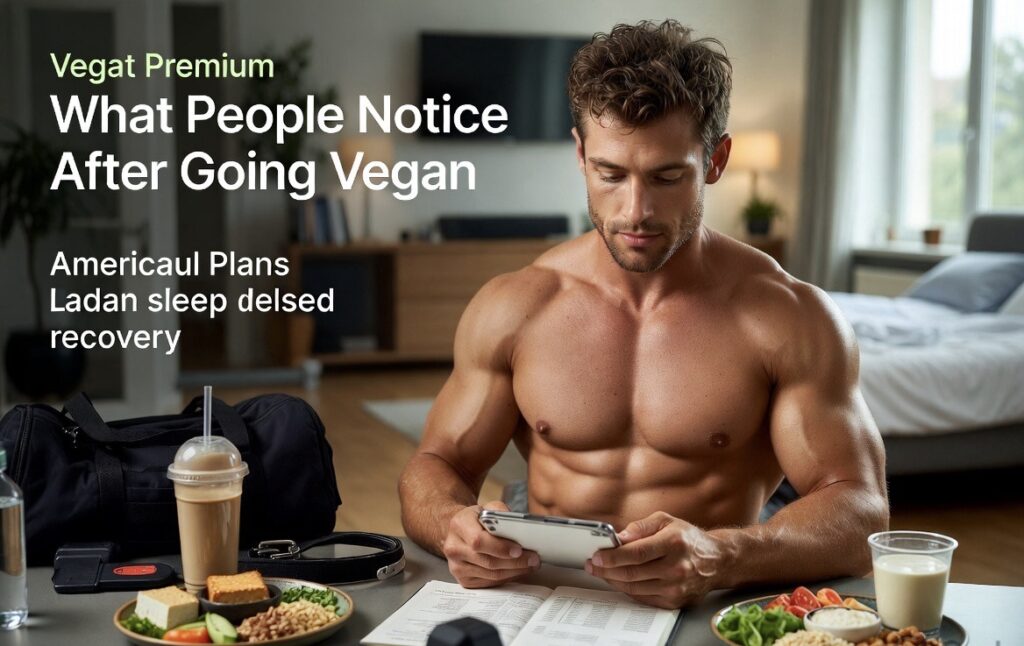
A lot of lifters say they become more aware of nutrition once they stop depending on easy default foods like chicken and whey.
They start checking protein intake properly, planning meals better, and paying more attention to recovery.
Some people stick with fully vegan eating long term. Others stay mostly plant-based while adding a few animal products back occasionally.
Both approaches can work.
The bigger factor is whether your diet supports recovery, energy, sleep, and training consistency over time.
The CDC Nutrition section also mentions that balanced eating patterns and proper nutrient intake both play important roles in overall health and physical performance.
Closing Thoughts
So, can vegan protein support heavy weight training?
Yes, absolutely.
But successful vegan muscle building usually comes from smart planning instead of blindly following social media trends.
If protein intake is too low, recovery is poor, and meals are inconsistent, progress slows down regardless of whether someone eats meat or not.
Heavy training still comes down to the basics:
- Enough protein
- Enough calories
- Consistent workouts
- Good recovery habits
- Long-term consistency
That’s what actually drives strength and muscle growth over time.
More nutrition guidance is also available through the Harvard Nutrition Source and the official UK NHS vegan diet guide.
© NexafitX — Helping people build healthier lifestyles worldwide.