Weight Gain Smoothie for Low Appetite: Simple Ideas That Actually Help
Trying to put on weight when you rarely feel hungry can be frustrating.
You want to eat more, but after only a few bites, you already feel full. Maybe breakfast feels impossible, or large portions simply seem too heavy.
And honestly, hearing people say “just eat more” usually does not help much.
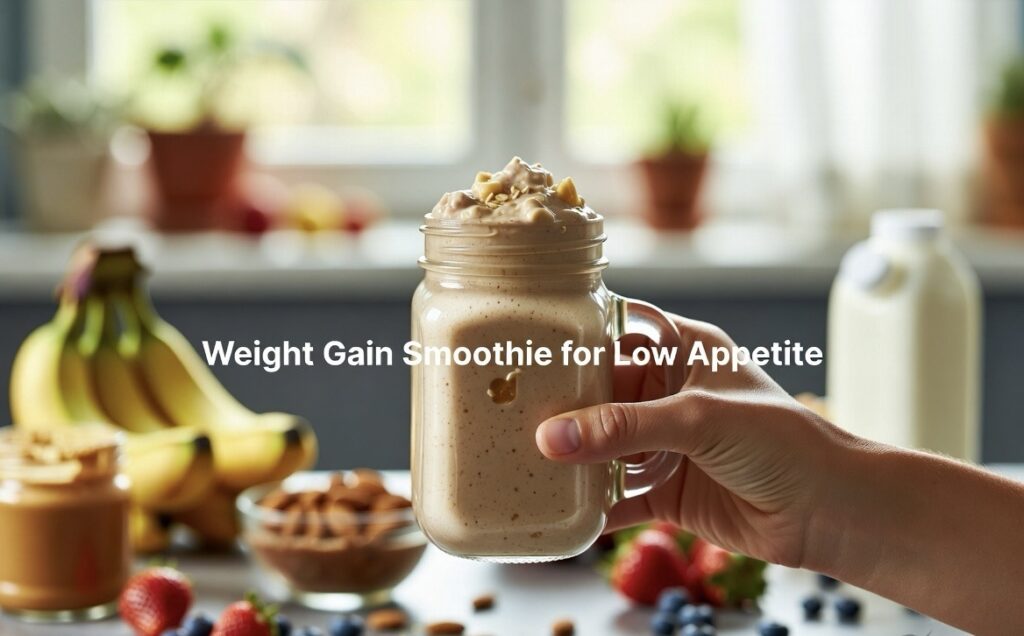
A weight gain smoothie for low appetite may feel easier because drinking calories often feels more manageable than forcing yourself to eat bigger meals.
With the right combination of ingredients, a homemade drink can quietly add calories, protein, and healthy fats without leaving you overly full.
According to the NHS healthy eating recommendations, nutrient-dense foods and balanced calorie intake may support healthy weight maintenance when eating enough feels difficult.
If poor hunger signals have been making progress feel harder than expected, this guide keeps things practical and easy to follow.
What Is a Weight Gain Smoothie for Low Appetite?
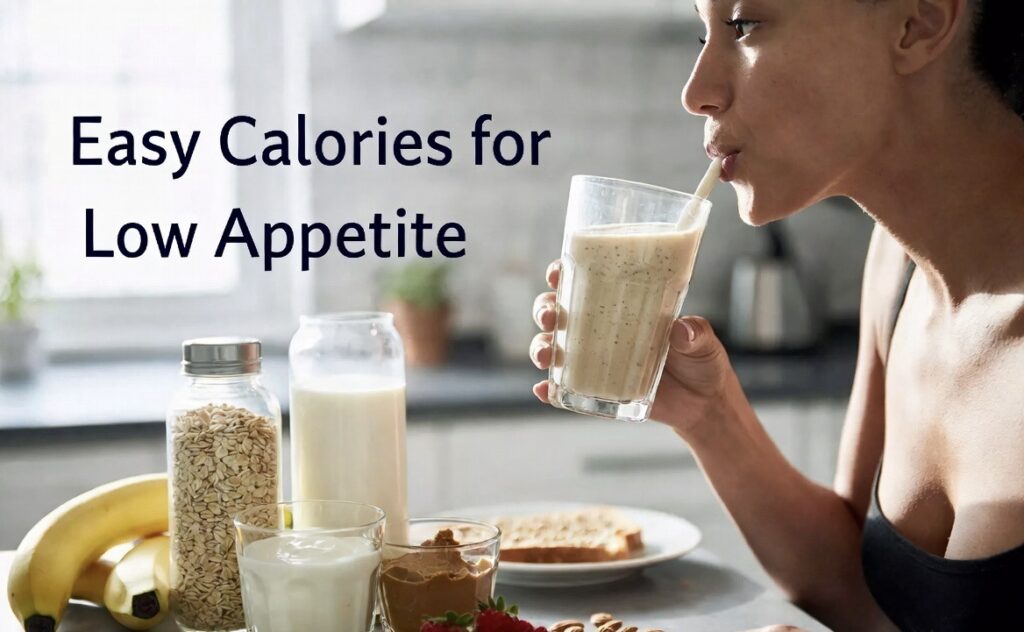
A weight gain smoothie for low appetite is simply a calorie-rich blended drink made using ingredients such as milk, oats, bananas, yogurt, nut butter, or fruit.
The idea is simple helping you increase calorie intake without feeling uncomfortably stuffed.
Many people find liquid calories easier to manage than sitting through a large meal.
For example, someone who struggles with breakfast may find sipping a blended drink over 15–20 minutes much easier than trying to finish eggs, toast, and oatmeal all at once.
Research shared through The Academy of Nutrition and Dietetics also highlights how balanced meals and nutrient-rich foods can help support overall nutrition.
Why Blended Drinks May Feel Easier When Appetite Is Low
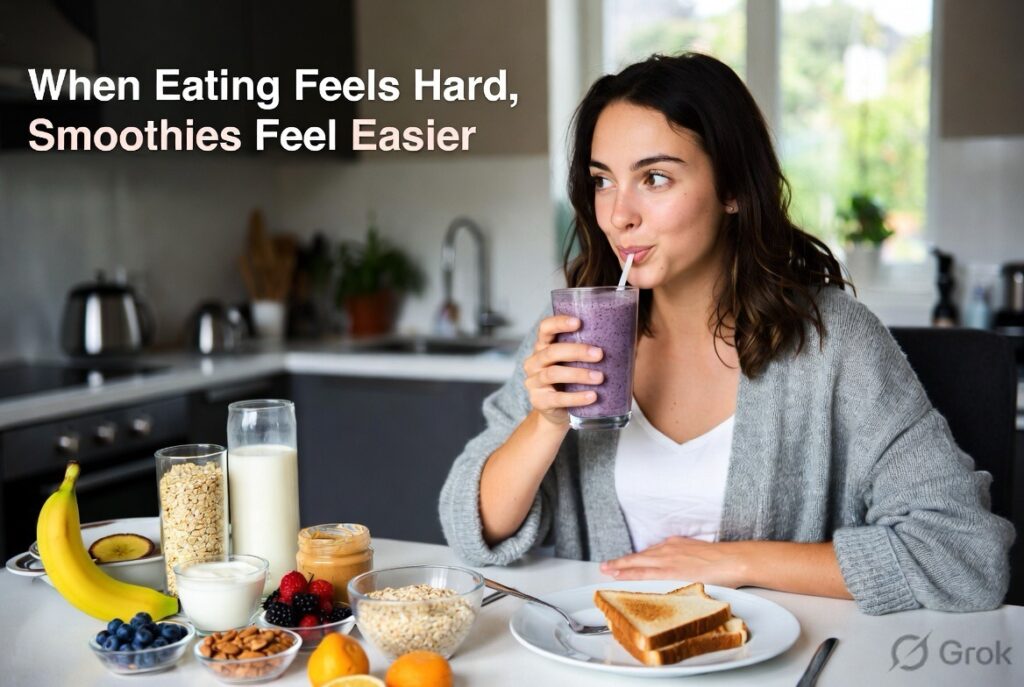
Reduced hunger can happen for several reasons.
Stress, poor sleep, irregular eating habits, recovery after illness, medications, busy schedules, or naturally lower hunger levels may all play a role.
Sometimes, your body simply adjusts to eating less, which can make healthy progress feel slower than expected.
This is where calorie-dense drinks may help.
They often feel lighter than full meals, and you can consume them slowly without feeling overly stuffed right away.
Another benefit is convenience.
Instead of eating oats, yogurt, fruit, and nuts separately, you can combine everything into one glass that feels easier to finish.
Based on guidance from the CDC healthy weight resources, balanced calories and nutrient-rich foods generally support healthier body weight better than relying heavily on processed foods.
What Ingredients Work Best for Healthy Weight Support?
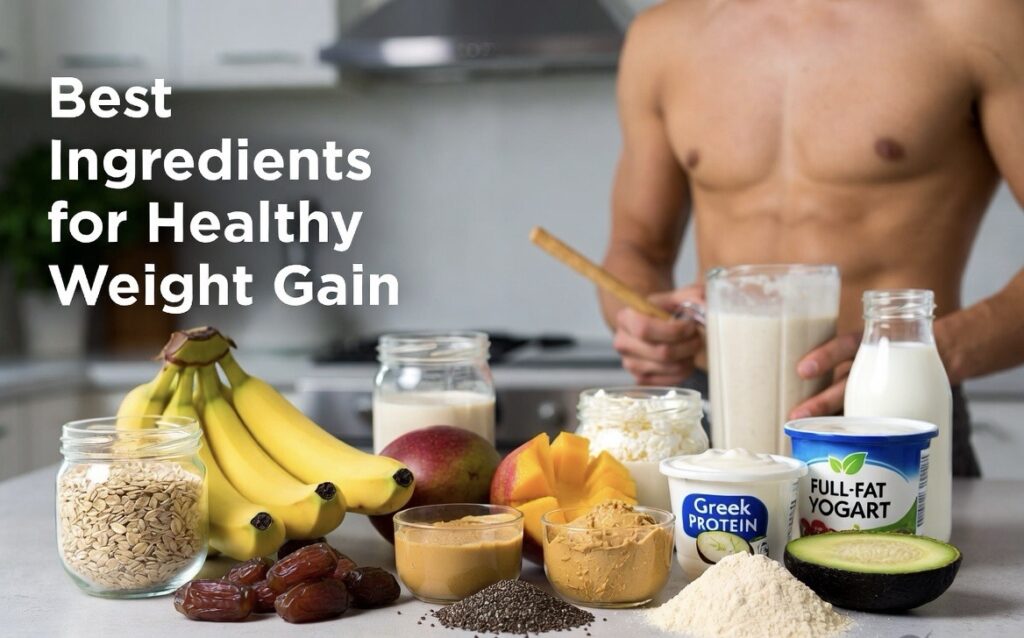
Not every blended drink works equally well.
If it only contains fruit and ice, you may feel hungry again quickly.
The goal is to build something nourishing without making it feel too heavy.
Healthy Carbohydrate Sources
- Bananas
- Oats
- Mango
- Dates
Healthy Fat Sources
- Peanut butter
- Almond butter
- Chia seeds
- Avocado
Protein-Rich Options
- Greek yogurt
- Milk
- Cottage cheese
- Protein powder
Higher-Calorie Base Choices
- Whole milk
- Oat milk
- Coconut milk
- Full-fat yogurt
You do not need expensive ingredients or fancy recipes.
Even a simple mix of banana, oats, milk, and peanut butter can work well if eating enough feels difficult.
According to MyPlate nutrition guidance, building balanced meals with protein, healthy fats, and carbohydrates may support better nutritional intake.
Easy High-Calorie Drink Ideas for Low Appetite
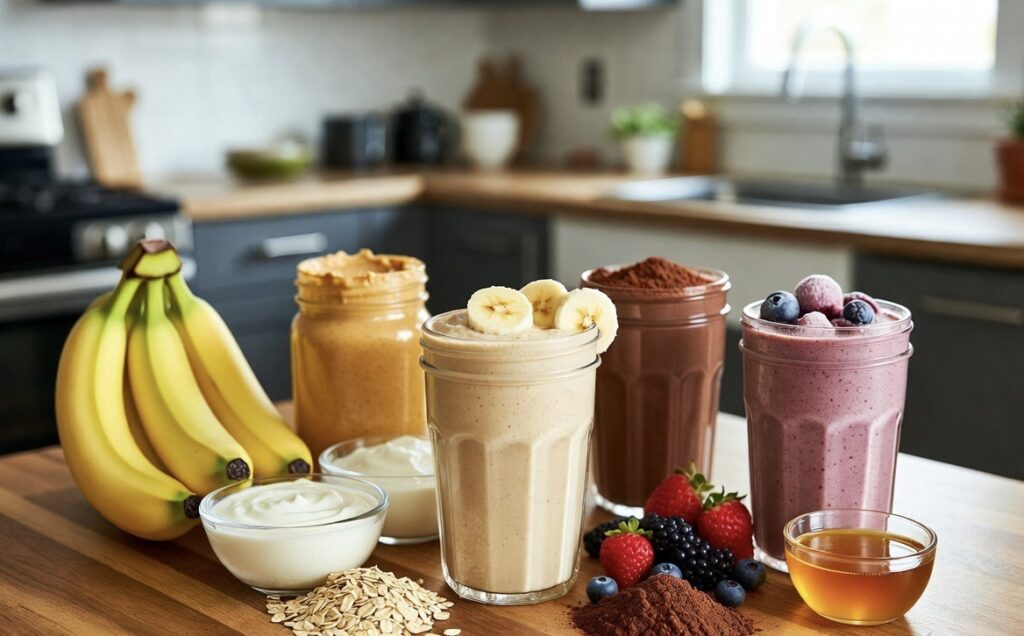
The best option is usually the one you can enjoy consistently.
If thick textures feel overwhelming, make it lighter. If plain flavors seem boring, adding cocoa powder or fruit can help.
Consistency matters more than perfection.
1. Banana Peanut Butter Blend
This option is simple, filling, and usually gentle on the stomach.
- 1 banana
- 2 tablespoons peanut butter
- 1 cup whole milk
- ½ cup oats
- 1 teaspoon honey (optional)
Blend everything for about 30 seconds.
This works well when you want extra calories without too much effort.
2. Chocolate High-Calorie Option
Some days, chocolate simply sounds easier than “healthy food,” and that is completely normal.
- 1 banana
- 1 tablespoon cocoa powder
- 1 cup milk
- 2 tablespoons peanut butter
- ½ cup Greek yogurt
This tastes closer to a milkshake, which may feel easier to finish when hunger levels are low.
3. Berry Oat Mix
If heavier options bother your stomach, this version may feel lighter.
- 1 cup frozen berries
- ½ cup Greek yogurt
- 1 cup milk
- ¼ cup oats
- 1 teaspoon honey
You still get extra nutrition without feeling overly full afterward.
When Is the Best Time to Drink One?
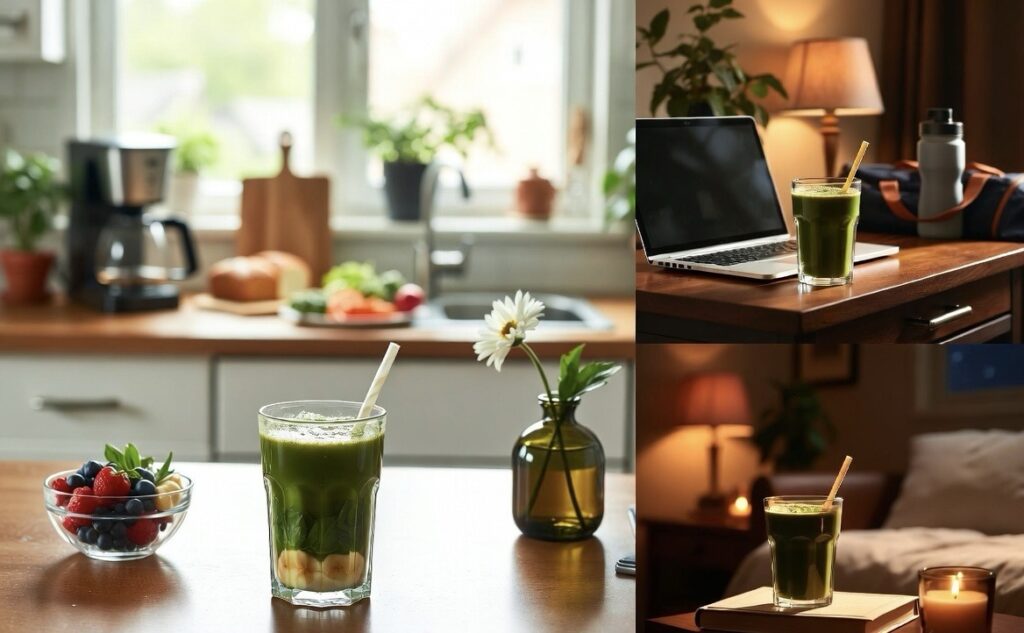
Timing matters more than many people realize.
Having something calorie-dense right before lunch or dinner may leave you too full to eat properly later.
These times generally work best:
- Morning: Helpful if breakfast feels difficult
- Between meals: Adds calories without replacing regular meals
- After exercise: Supports recovery and energy needs
- Before bed: May increase overall calorie intake without affecting daytime eating too much
If mornings feel difficult, even drinking half a serving later in the day is still better than skipping calories entirely.
Nutrition guidance from the Dietary Guidelines for Americans also emphasizes consistency and balanced eating habits for long-term health.
Why Progress May Feel Slower Than Expected
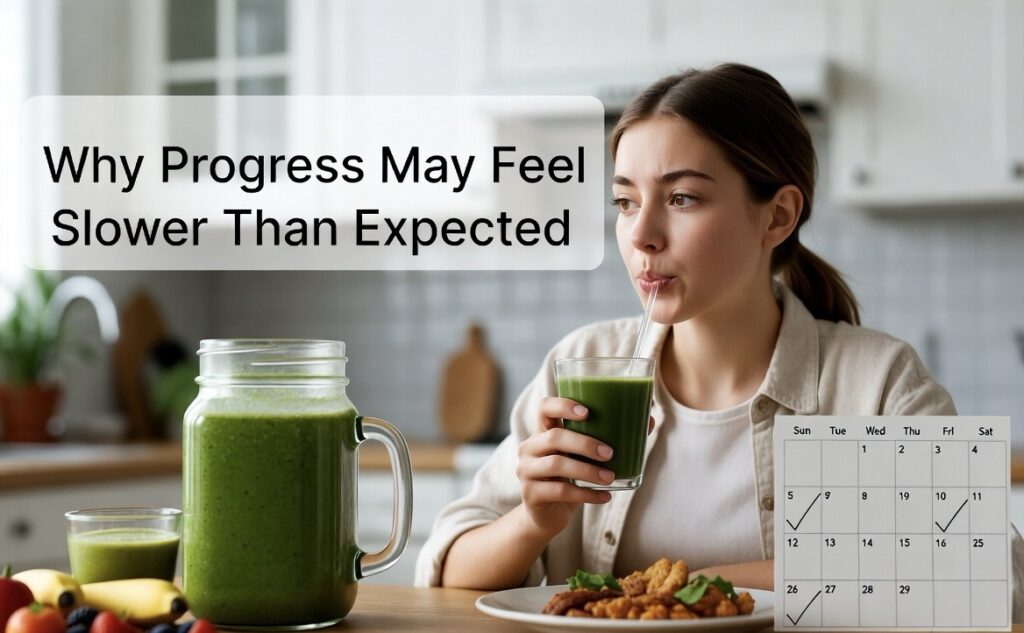
Sometimes people feel these drinks are not helping, but a few small mistakes can make progress slower.
- Making portions too large: Huge servings may feel overwhelming when hunger levels are already low.
- Using only fruit: Fruit alone may not provide enough calories or protein.
- Having them before meals: This may reduce appetite for regular food later.
- Expecting quick changes: Healthy progress often takes time.
Even one additional serving daily may slowly make a difference over several weeks.
According to the World Health Organization (WHO) healthy diet guidance, balanced eating patterns matter more than quick fixes for long-term well-being.
Simple Habits That May Help If You Rarely Feel Hungry
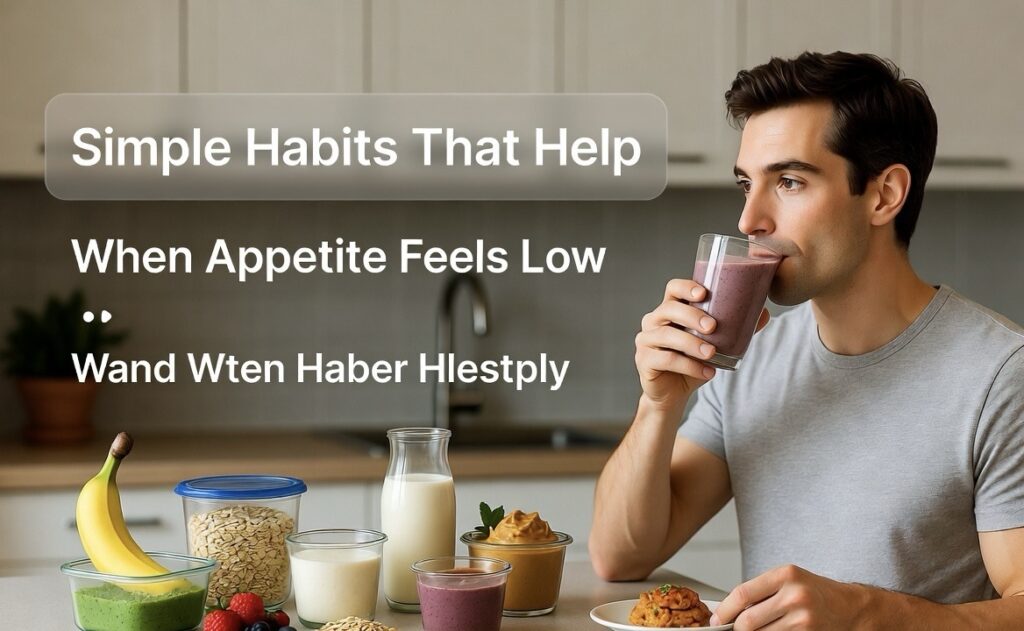
- Eat smaller meals more often instead of forcing large portions
- Keep ingredients ready at home
- Choose flavors you genuinely enjoy
- Drink calories when solid food feels difficult
- Stay consistent for several weeks before expecting major changes
Consistency matters here.
One serving each day for a month usually works better than trying something extreme for only a few days.
A Realistic Way to Approach It
If eating more feels difficult right now, do not overcomplicate things.
A weight gain smoothie for low appetite can be a practical first step because it helps increase calorie intake in a way that feels realistic.
Start simple.
Choose ingredients you actually enjoy and stay consistent.
Slow progress still counts, especially when hunger levels have been low for a while.