

Aging is a natural part of life, but the way our bodies age is strongly influenced by daily habits. Modern research shows that nutrition, physical activity, sleep, stress management, and healthy routines can slow many biological processes associated with aging.
While no method can completely stop aging, adopting science-backed lifestyle habits can help protect your cells, maintain energy levels, and support long-term health.
In this guide, you will learn 10 practical and research-supported diet and lifestyle strategies that may help slow down aging naturally and support overall well-being.
Why Aging Happens
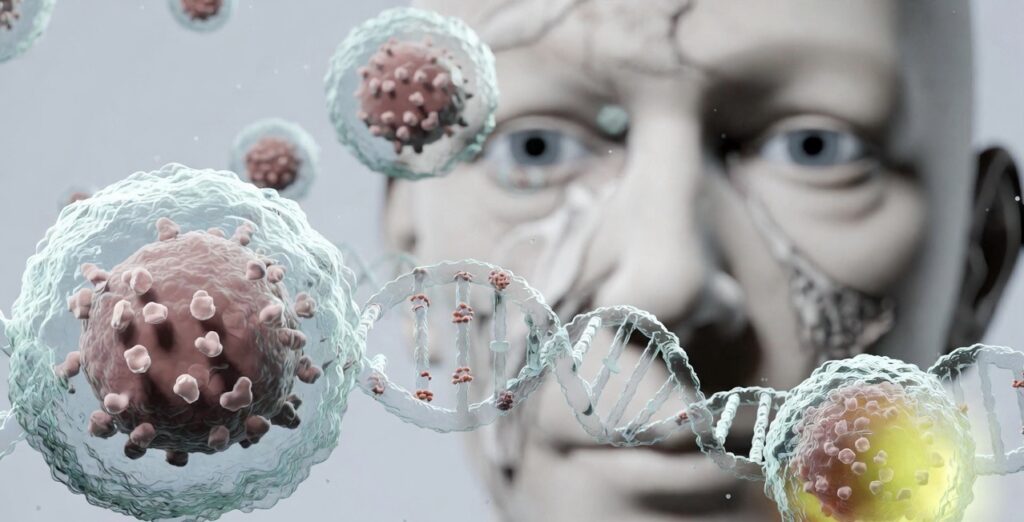
Aging occurs when cells gradually lose their ability to repair damage and regenerate efficiently. Over time, several biological factors contribute to aging, including:
- Oxidative stress
- Chronic inflammation
- DNA damage
- Lifestyle habits such as poor diet or lack of exercise
According to the National Institute on Aging, healthy behaviors such as balanced nutrition, physical activity, and good sleep can improve quality of life and reduce the risk of many age-related health conditions.
Official Source:
https://www.nia.nih.gov/health
1. Eat More Antioxidant-Rich Foods
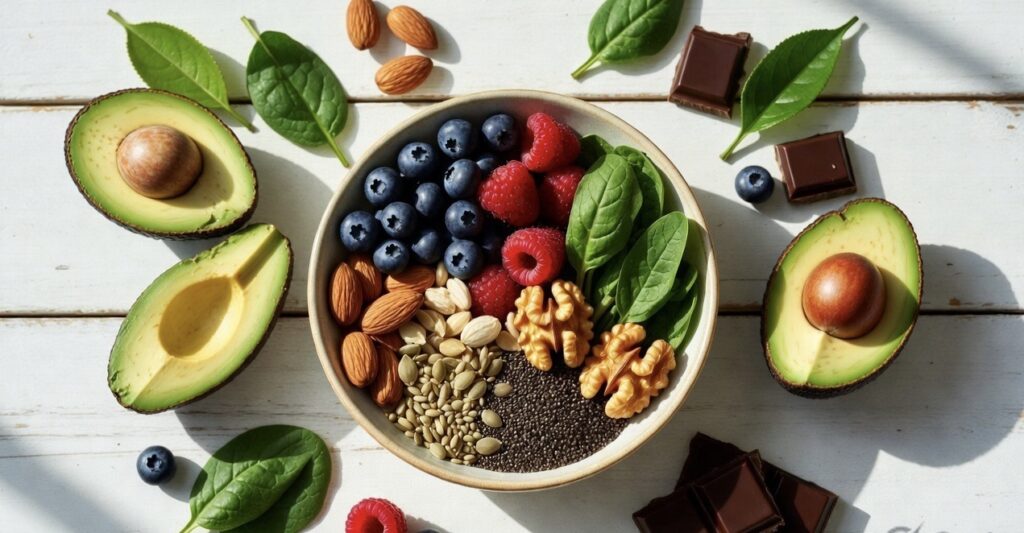
Antioxidants help protect the body against free radicals, which are unstable molecules that damage cells and accelerate aging.
( Keto vs Paleo vs Plant-Based Diet, Get full detail ➡️ )
Foods naturally high in antioxidants include:
- Berries such as blueberries and strawberries
- Dark leafy greens
- Nuts and seeds
- Green tea
- Colorful vegetables like carrots and peppers
A diet rich in antioxidants helps reduce oxidative stress and supports long-term health.
Official Source:
https://ods.od.nih.gov
2. Follow a Balanced and Nutrient-Dense Diet

Healthy aging starts with proper nutrition. A balanced diet provides the vitamins, minerals, fiber, and healthy fats your body needs to function efficiently.
One of the most researched dietary patterns for longevity is the Mediterranean diet. It focuses on:
- Fresh vegetables and fruits
- Whole grains
- Healthy fats such as olive oil
- Fish and lean protein
- Nuts and legumes
Research suggests that this dietary pattern supports heart health and may help reduce inflammation associated with aging.
Official Source:
https://www.hsph.harvard.edu/nutritionsource/healthy-weight/diet-reviews/mediterranean-diet/
3. Stay Physically Active

Regular physical activity is one of the most effective ways to maintain strength, mobility, and metabolic health as you age.
Exercise helps:
- Preserve muscle mass
- Improve heart and lung health
- Maintain healthy weight
- Support brain function
The World Health Organization recommends that adults perform at least 150 minutes of moderate physical activity each week.
Official Source:
https://www.who.int/news-room/fact-sheets/detail/physical-activity
4. Protect Your Skin from Excess Sun Exposure

Sun exposure is one of the leading causes of premature skin aging. Ultraviolet (UV) radiation can damage skin cells and break down collagen, which contributes to wrinkles and skin damage.
To protect your skin:
- Use sunscreen when outdoors
- Wear protective clothing
- Avoid prolonged sun exposure during peak hours
Skin protection helps maintain healthy skin and reduces long-term damage.
Official Source:
https://www.cdc.gov/cancer/skin/basic_info/sun-safety.htm
5. Get Quality Sleep

Sleep plays a vital role in cell repair, hormone balance, and brain health. Poor sleep can increase inflammation and negatively affect metabolism.
Adults generally need between 7 and 9 hours of sleep each night.
Improving sleep habits can include:
- Maintaining a consistent sleep schedule
- Limiting screen exposure before bed
- Creating a comfortable sleep environment
Official Source:
https://www.cdc.gov/sleep/about_sleep/how_much_sleep.html
6. Manage Stress for Long-Term Health

Chronic stress affects both mental and physical health. Long-term stress may increase inflammation and negatively influence many biological systems in the body.
Healthy stress management techniques include:
- Meditation
- Deep breathing exercises
- Yoga
- Spending time outdoors
- Maintaining social connections
Managing stress regularly can support emotional balance and overall well-being.
Official Source:
https://www.nimh.nih.gov/health/topics/stress
7. Drink Enough Water

Hydration supports many essential functions in the body, including digestion, circulation, and temperature regulation.
Water also supports skin health and energy levels.
Daily hydration needs vary based on activity levels, climate, and individual health conditions, but staying consistently hydrated supports overall wellness.
Official Source:
https://www.cdc.gov/healthyweight/healthy_eating/water-and-healthier-drinks.html
8. Avoid Smoking and Limit Alcohol

Smoking accelerates aging by damaging cells and reducing oxygen delivery throughout the body.
Similarly, excessive alcohol consumption may affect liver health, sleep quality, and metabolism.
Avoiding tobacco and limiting alcohol intake are important steps for protecting long-term health.
Official Source:
https://www.cdc.gov/tobacco
9. Maintain Strong Social Connections

Social health is an often overlooked aspect of healthy aging. Positive relationships and social engagement can support mental health and reduce feelings of loneliness.
Studies suggest that strong social connections are linked to better emotional well-being and improved overall health outcomes.
Spending time with friends, family, or community groups can help maintain a balanced lifestyle.
10. Keep Your Brain Active

Just as physical activity supports the body, mental stimulation supports brain health.
Activities that challenge the brain include:
- Reading
- Learning new skills
- Solving puzzles
- Playing strategy games
- Creative hobbies such as writing or painting
Regular mental activity may help maintain cognitive function and support healthy aging.
Official Source:
https://www.nia.nih.gov/health/cognitive-health
Simple Daily Anti-Aging Routine

Building small daily habits can make a meaningful difference over time. A simple anti-aging routine may include:
Morning
- Drink water after waking up
- Eat a nutrient-rich breakfast
- Get sunlight and light movement
Daytime
- Stay physically active
- Eat balanced meals
- Stay hydrated
Evening
- Reduce screen time before sleep
- Practice relaxation techniques
- Maintain a consistent sleep schedule
Final Thoughts
Aging is a natural biological process, but lifestyle choices can influence how your body ages over time.
Healthy nutrition, regular exercise, quality sleep, hydration, stress management, and strong social connections all play an important role in maintaining long-term health.
By focusing on consistent and sustainable habits, you can support your body, protect your health, and maintain energy and vitality as you grow older.
© NexafitX — Helping people build healthier lifestyles worldwide.