

Technology has become an essential part of modern life. Smartphones, laptops, and social media platforms allow people to work, communicate, and access information instantly. While these tools offer many benefits, constant connectivity can also create mental overload.
Many people now spend several hours every day checking notifications, scrolling through social media feeds, or switching between apps. Over time, this continuous digital stimulation can affect concentration, sleep quality, and emotional well-being.
For this reason, mental health experts often recommend occasional breaks from screens. A digital detox is a simple approach that helps restore balance between online and offline life while protecting mental well-being.
What Is a Digital Detox?

A digital detox is a period of time when a person intentionally reduces or temporarily stops using digital devices such as smartphones, computers, tablets, and social media platforms. The goal is not to eliminate technology completely but to develop healthier habits and reduce unnecessary digital stress.
Taking breaks from screens allows the brain to relax and recover from constant stimulation. Many people practice digital detox habits by limiting social media use, setting daily screen limits, or creating phone-free times during the day.
Mental health organizations emphasize that maintaining healthy habits and reducing daily stress is essential for emotional well-being. The World Health Organization also highlights the importance of protecting mental health through balanced lifestyle practices.
(Source: World Health Organization – Mental Health Facts)
How Excessive Screen Time Affects Mental Health

Spending too much time on digital devices can influence how the brain processes information. Frequent notifications, constant messages, and endless online content keep the brain in a state of continuous alertness.
This constant stimulation may lead to mental fatigue, reduced focus, and difficulty concentrating on important tasks.
Research supported by the National Institutes of Health suggests that heavy screen use can affect attention span, emotional regulation, and sleep patterns, particularly when screen exposure continues late into the evening.
(Source: National Institutes of Health Research Updates)
Some common effects of excessive screen use include:
- Increased stress and anxiety
- Difficulty maintaining concentration
- Reduced productivity during work or study
- Mental fatigue caused by constant information intake
- Social comparison from online platforms
These effects often develop gradually, which is why many people do not notice them until digital habits begin affecting daily life.
The Connection Between Screen Time and Sleep

One of the most noticeable effects of excessive device use is disrupted sleep. Smartphones, tablets, and laptops emit blue light that can interfere with the body’s natural sleep cycle.
Blue light can suppress melatonin, the hormone responsible for regulating sleep. When people spend time on screens late at night, the brain may remain alert even when the body is ready for rest.
Health experts recommend limiting screen exposure before bedtime to support healthy sleep habits.
(Source: CDC – Sleep and Sleep Hygiene)
Reducing screen use during the evening is therefore one of the simplest and most effective digital detox strategies.
Key Benefits of a Digital Detox
Taking regular breaks from digital devices can provide several benefits for mental health and overall well-being.

Reduced Stress Levels
Constant notifications, emails, and online updates can create mental pressure. A digital detox gives the brain time to relax and process information more calmly. Get Effective Stress Management Tips
Improved Focus and Productivity
When digital distractions are minimized, it becomes easier to concentrate on tasks such as work, learning, reading, or creative projects.
Better Emotional Balance
Reducing time spent on social media may help lower negative comparisons and improve emotional stability.
Stronger Personal Relationships
Digital detox habits encourage more face-to-face interaction with family and friends. Conversations without constant phone interruptions can strengthen real-life relationships.
Improved Sleep Quality
Reducing device use before bedtime allows the body to follow a healthier sleep cycle, leading to deeper and more restful sleep. Get Natural Deep Sleep Secrets
Signs You May Need a Digital Detox

Many people develop unhealthy screen habits without realizing it. Recognizing these patterns can help prevent digital burnout.
You might benefit from a digital detox if:
- You feel the urge to check your phone frequently throughout the day
- Notifications constantly interrupt your work or study
- Social media makes you feel mentally drained
- You struggle to focus without checking your device
- You regularly use your phone late at night
If these habits sound familiar, introducing small digital breaks can significantly improve mental clarity.
Practical Ways to Start a Digital Detox
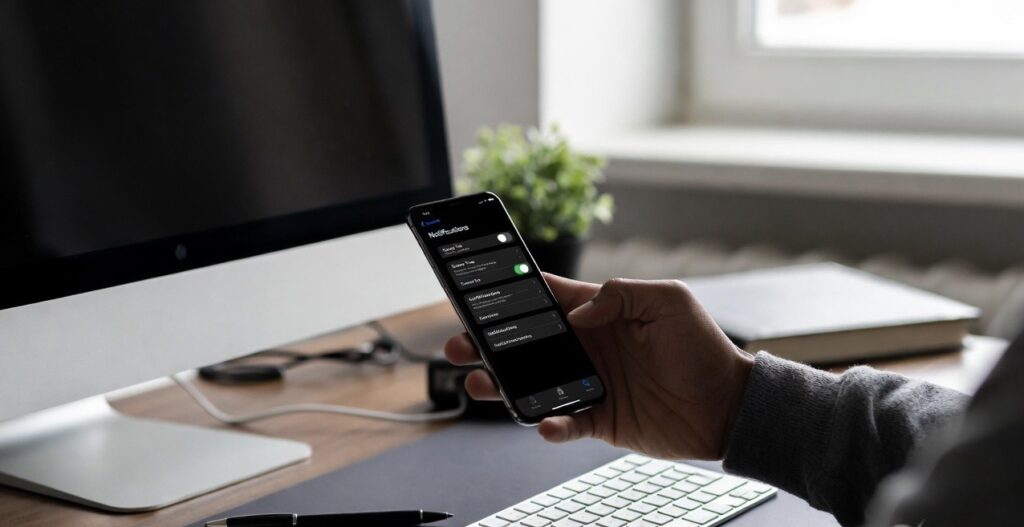
A digital detox does not require extreme lifestyle changes. Small adjustments can gradually reduce digital overload while still allowing you to use technology productively.
Track Your Screen Time
Most smartphones include screen time tracking tools. Monitoring usage helps identify where digital time is being spent.
Turn Off Unnecessary Notifications
Notifications are designed to capture attention instantly. Disabling non-essential alerts can significantly reduce distractions.
Create Phone-Free Zones
Designating areas such as the dining table or bedroom as phone-free spaces encourages healthier digital habits.
Replace Screen Time With Healthy Activities
Reducing digital time allows space for beneficial activities like reading, exercise, journaling, meditation, or spending time outdoors.
Schedule Regular Offline Breaks
Planning short breaks from social media each week can refresh the mind and help reduce digital fatigue.
Building a Healthier Relationship With Technology

Technology is a powerful tool, but balance is essential. A digital detox does not mean avoiding technology completely. Instead, it encourages more intentional and mindful use of digital devices.
By setting boundaries, reducing unnecessary screen exposure, and prioritizing real-world experiences, individuals can maintain better focus, improved emotional balance, and a healthier lifestyle in today’s digital world.
© NexafitX — Helping people build healthier lifestyles worldwide