
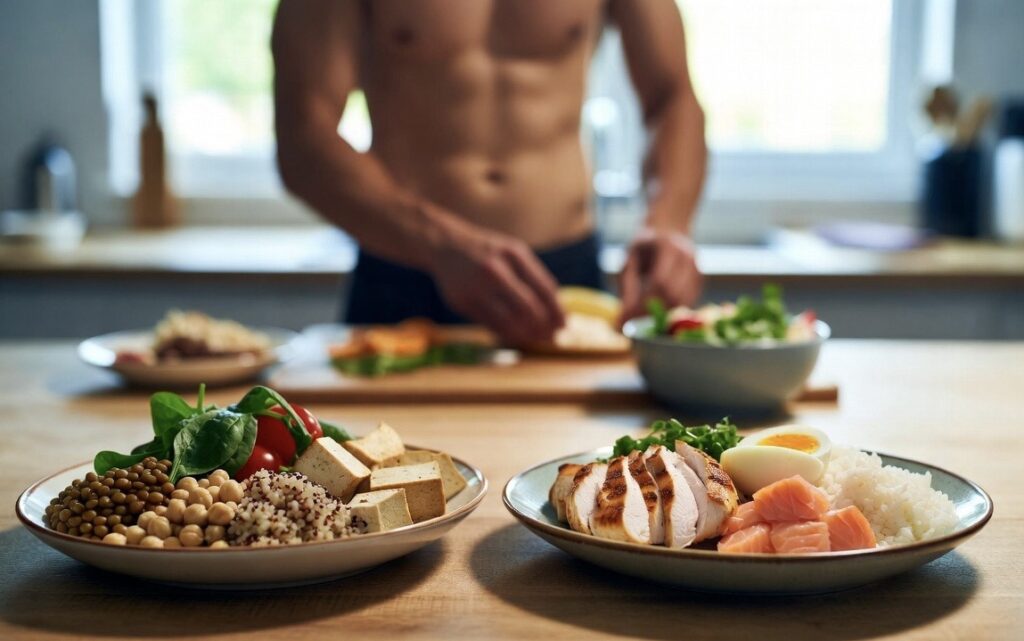
Protein plays a key role in building muscle, improving recovery, and supporting overall health. But one question continues to confuse many people worldwide: Is vegan protein as effective as non-vegetarian protein for muscle growth?
If you’re trying to build muscle, lose fat, or simply improve your fitness, choosing the right protein source matters. In this science-based guide, we’ll compare vegan vs non-veg protein, break down the benefits, and help you decide what works best for your body.
What Is Protein and Why Is It Important?

Protein is made up of amino acids, which are often called the building blocks of muscle. When you perform strength training or physical activity, your muscles develop small tears. Protein helps repair these tissues and makes them stronger over time.
According to the World Health Organization (WHO), adequate protein intake is essential for maintaining muscle mass and overall body function.
Without enough protein, muscle recovery slows down, energy levels drop, and performance suffers.
What Is Non-Veg (Animal-Based) Protein?
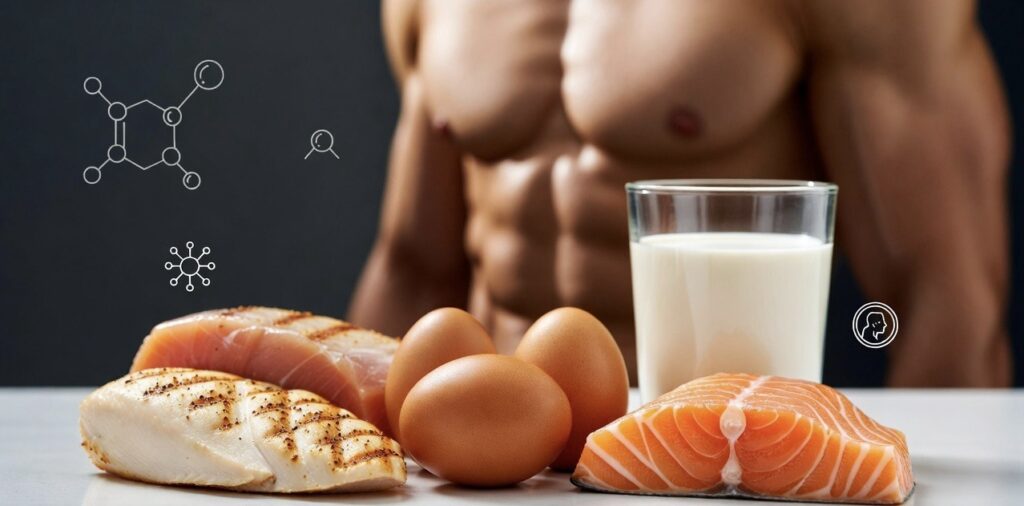
Non-vegetarian protein comes from animal-based foods such as chicken, fish, eggs, and dairy products like milk and yogurt.
Benefits of Non-Veg Protein
- Contains all essential amino acids (complete protein)
- High in leucine, which directly supports muscle growth
- Faster absorption, helping quicker recovery
- Easy to meet daily protein requirements
Limitations
- Some sources contain high saturated fats
- Not suitable for vegans or plant-based lifestyles
- Processed meats may impact long-term health
Is Meat Necessary for Fast Muscle Gain? Full breakdown inside
What Is Vegan (Plant-Based) Protein?
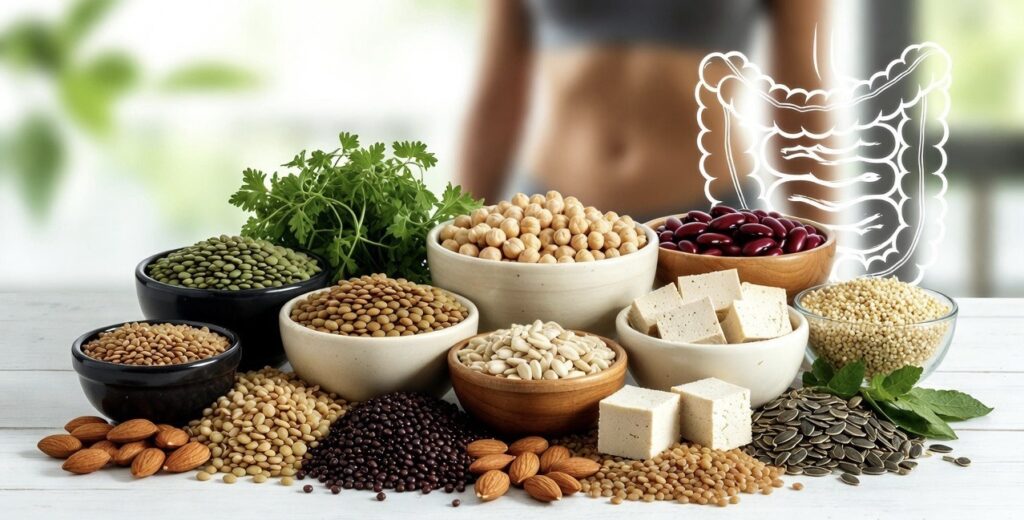
Vegan protein comes from plant-based foods like lentils, beans, chickpeas, tofu, nuts, seeds, and whole grains.
Benefits of Vegan Protein
- Rich in fiber and antioxidants
- Supports heart health and digestion
- Lower in saturated fat
- Environmentally sustainable
Limitations
- Some sources lack one or more essential amino acids
- Requires combining foods for complete protein
- May require slightly higher intake for muscle building
Vegan vs Non-Veg Protein: Key Differences
Factor Non-Veg Protein Vegan Protein Amino Acids Complete Sometimes incomplete Absorption Faster Moderate Leucine Content High Moderate Health Benefits Muscle focused Heart & gut health Sustainability Lower Higher. Also if you are curious about Keto vs Paleo vs Plant-Based Diet, get detail from here
Which Protein Builds Muscle Faster?
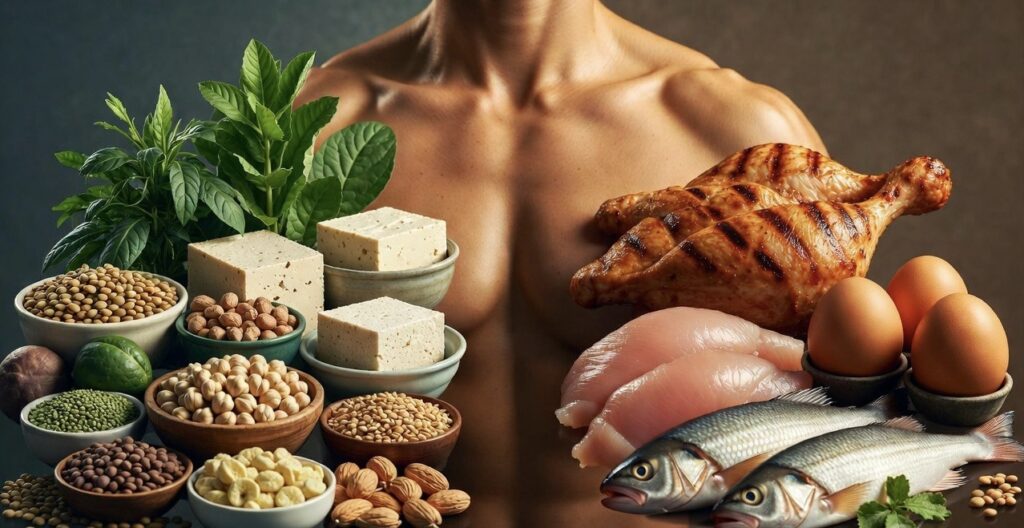
Non-veg protein may offer a slight advantage for muscle growth due to its complete amino acid profile and higher leucine content. It is also absorbed faster, which can support quicker recovery after workouts.
However, research from the National Institutes of Health (NIH) shows that total daily protein intake matters more than the source.
This means you can build muscle effectively on a vegan diet if you consume enough protein and plan your meals properly. To make things easier, you can follow a high-protein vegan meal plan designed for muscle growth.
In my experience, many beginners focus too much on the source of protein instead of the total intake. Once they increase their daily protein levels, results improve significantly regardless of whether the protein is plant-based or animal-based.
Best Protein Sources for Muscle Growth
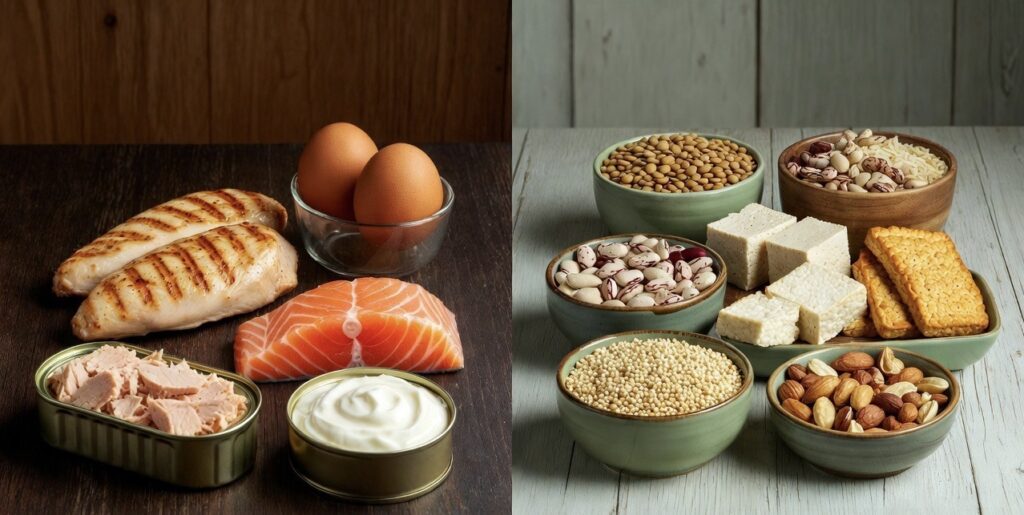
Top Non-Veg Protein Sources
- Chicken breast
- Eggs
- Salmon and tuna
- Greek yogurt
Top Vegan Protein Sources
- Lentils and beans
- Tofu and tempeh
- Quinoa
- Chia seeds and nuts
Combining foods like rice and beans can create a complete amino acid profile in a vegan diet. A structured vegan meal plan can help you balance these combinations daily.
Is Vegetarian Bodybuilding Actually Possible Naturally? Nutrition explained simply
How Much Protein Do You Need Daily?

Protein requirements vary depending on activity level, age, and fitness goals.
According to the Centers for Disease Control and Prevention (CDC):
- General health: 0.8g per kg body weight
- Muscle building: 1.6–2.2g per kg body weight
For example, if you weigh 70 kg, you may need around 112–154 grams of protein daily for muscle growth.
Common Mistakes to Avoid

- Not consuming enough total protein
- Relying only on one protein source
- Ignoring meal timing and recovery
- Skipping strength training
Consistency matters more than perfection. Focus on building a sustainable routine.
Who Should Choose What?
Choose Non-Veg Protein if:
- You want convenience and faster recovery
- You don’t have dietary restrictions
Choose Vegan Protein if:
- You prefer plant-based eating
- You want better digestion and long-term health benefits
Final Verdict
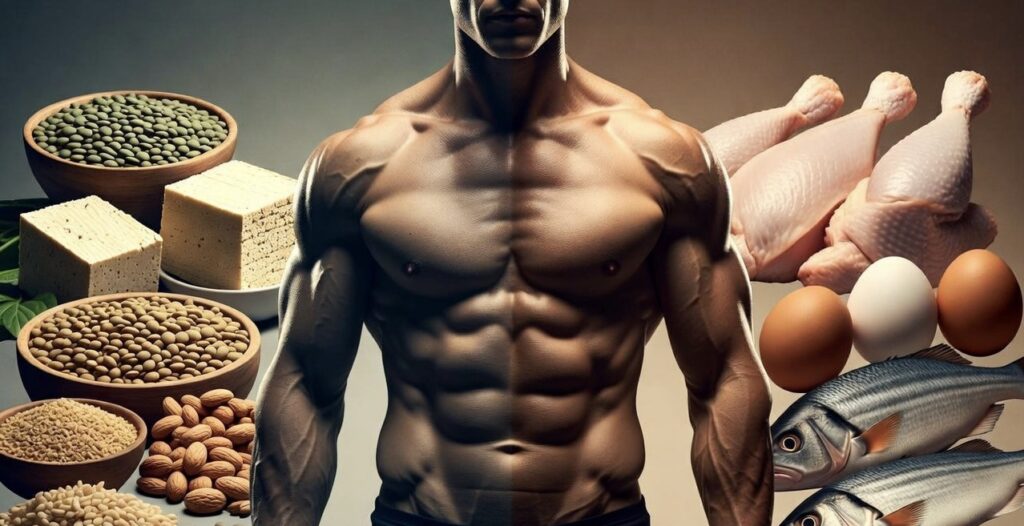
Both vegan and non-veg protein can help you build muscle effectively.
Non-veg protein offers a slight advantage in speed and convenience, while vegan protein supports overall health and sustainability.
The real key to muscle growth is simple: meet your daily protein needs consistently and follow a structured workout plan.
Frequently Asked Questions (FAQs)
Can you build muscle with vegan protein?
Yes, as long as you consume enough protein and combine different plant sources.
Is vegan protein harder to digest?
No, in fact many people find plant protein easier on digestion.
Which protein is best for beginners?
Both are effective. Choose based on your lifestyle and preference.
Do you need supplements?
Not always. Whole foods are enough, but supplements can help meet daily needs.
Conclusion
There is no single “best” protein source for everyone. Your choice should depend on your goals, preferences, and consistency.
Whether you choose vegan or non-veg protein, the most important factor is maintaining a balanced diet and meeting your daily protein requirements. If you want a simple way to stay consistent, you can check this high-protein vegan meal plan eBook.
If you’re serious about muscle growth, focus less on the debate and more on your daily habits. That’s where real results come from.
© NexafitX — Helping people build healthier lifestyles worldwide.