
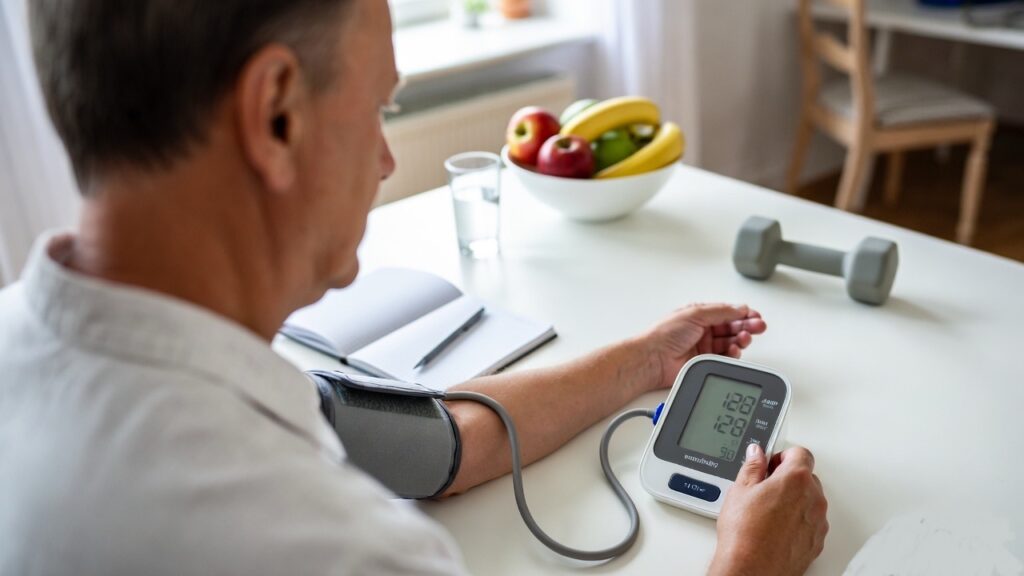
Understanding High Blood Pressure
High blood pressure, or hypertension, happens when the force of blood against your artery walls is consistently too high. Over time, uncontrolled blood pressure can lead to heart disease, stroke, kidney problems, and other serious health conditions. The good news is that lifestyle changes can significantly improve blood pressure, sometimes even without medication. (WHO)
( How Journaling Improves Mental Clarity and Emotional Health: Full details ➡️ )
Key Causes of High Blood Pressure

Several factors can contribute to elevated blood pressure:
- Excess sodium in your diet
- Sedentary lifestyle and lack of exercise
- Stress and poor sleep
- Smoking and excessive alcohol consumption
- Being overweight or obese
Understanding these causes is the first step toward effective management. (CDC)
Adopt a Heart-Healthy Diet
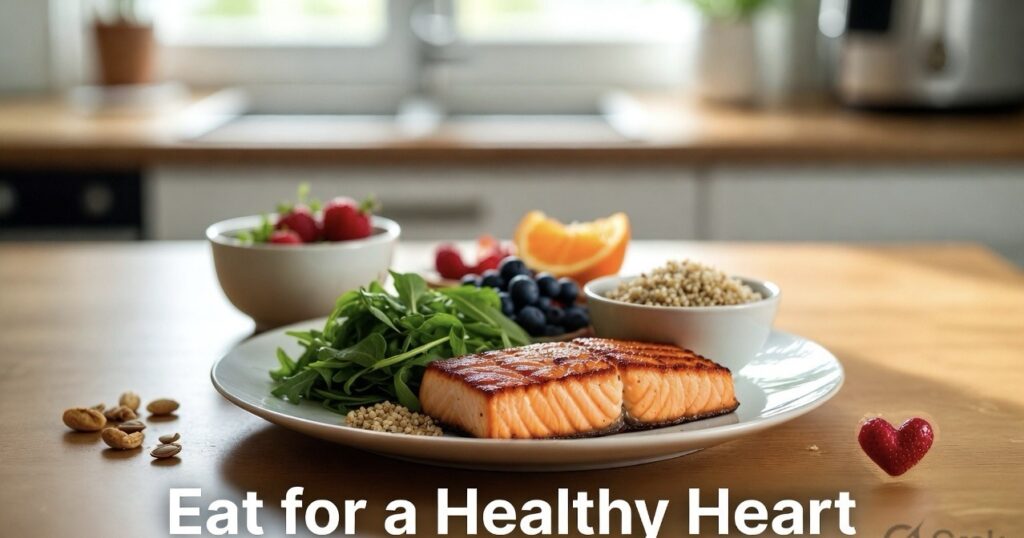
Your diet plays a critical role in controlling blood pressure naturally:
- Reduce sodium intake: Limit processed and packaged foods. Aim for 1,500–2,300 mg per day. (Mayo Clinic)
- Increase potassium-rich foods: Include bananas, spinach, sweet potatoes, beans, and yogurt. Potassium helps balance sodium and supports healthy blood pressure.
- Follow the DASH diet: Focus on vegetables, fruits, lean protein, and whole grains to lower hypertension naturally. (CDC)
Exercise Regularly

Physical activity strengthens the heart, enabling it to pump blood with less effort, which lowers the pressure on your arteries:
( Meal Planning Tips for Better Nutrition and Weight Control: Full details ➡️ )
- Aim for at least 150 minutes of moderate exercise per week, like brisk walking, cycling, swimming, or yoga.
- Even daily movement like taking stairs or short walks contributes to long-term heart health. (CDC)
Maintain a Healthy Weight
Excess weight, especially around the waist, puts additional strain on your heart and arteries. Losing even a small amount of weight can significantly reduce blood pressure. Every kilogram lost may reduce blood pressure by about 1 mm Hg. (Mayo Clinic)
Limit Alcohol and Quit Smoking

- Alcohol in excess and smoking can elevate blood pressure.
- Moderation matters: up to one drink per day for women and two for men.
- Quitting smoking improves overall heart health and helps normalize blood pressure. (CDC)
Manage Stress and Improve Sleep

Chronic stress and insufficient sleep can raise blood pressure over time:
- Practice relaxation techniques like deep breathing, meditation, yoga, or journaling.
- Aim for 7–9 hours of quality sleep nightly.
- Even short, daily mindfulness exercises can help reduce blood pressure naturally.
Monitor Your Blood Pressure at Home
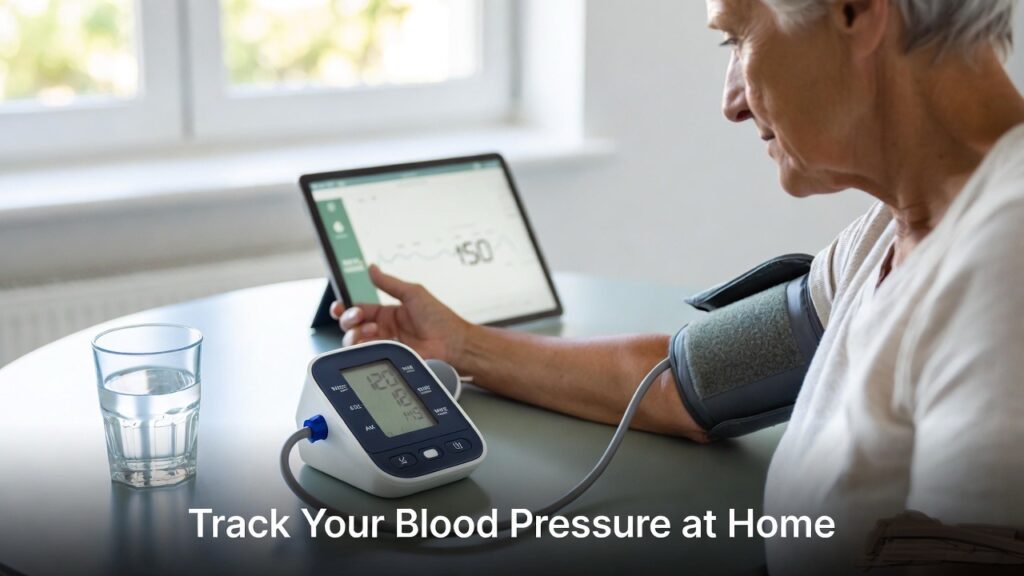
Using a home blood pressure monitor helps you:
- Track your progress and understand which lifestyle changes work best
- Communicate more effectively with your healthcare provider
- Identify patterns that may require medical attention
When to Seek Medical Advice
Lifestyle changes are powerful, but they cannot replace medical care when needed:
- Consult your doctor before making major changes to diet, exercise, or medications
- Seek immediate care if you experience extremely high readings, dizziness, or chest pain
Conclusion: Take Control of Your Heart Health
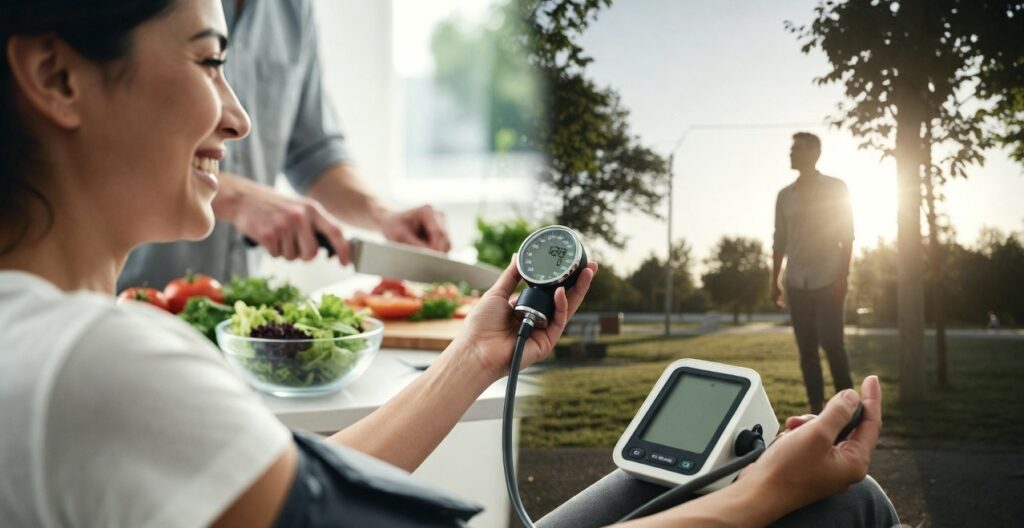
Lowering high blood pressure naturally is entirely achievable with consistent effort. By adopting a heart-healthy diet, exercising regularly, managing stress, and monitoring your progress, you empower yourself to improve long-term heart health. Small, daily choices—like choosing fresh foods, taking a brisk walk, or practicing mindfulness—can have a big impact over time. Start today, stay consistent, and take control of your blood pressure for a healthier, happier life.
© NexafitX — Helping people build healthier lifestyles worldwide.
( Best Morning Routine for Physical and Mental Health: Full details ➡️ )