
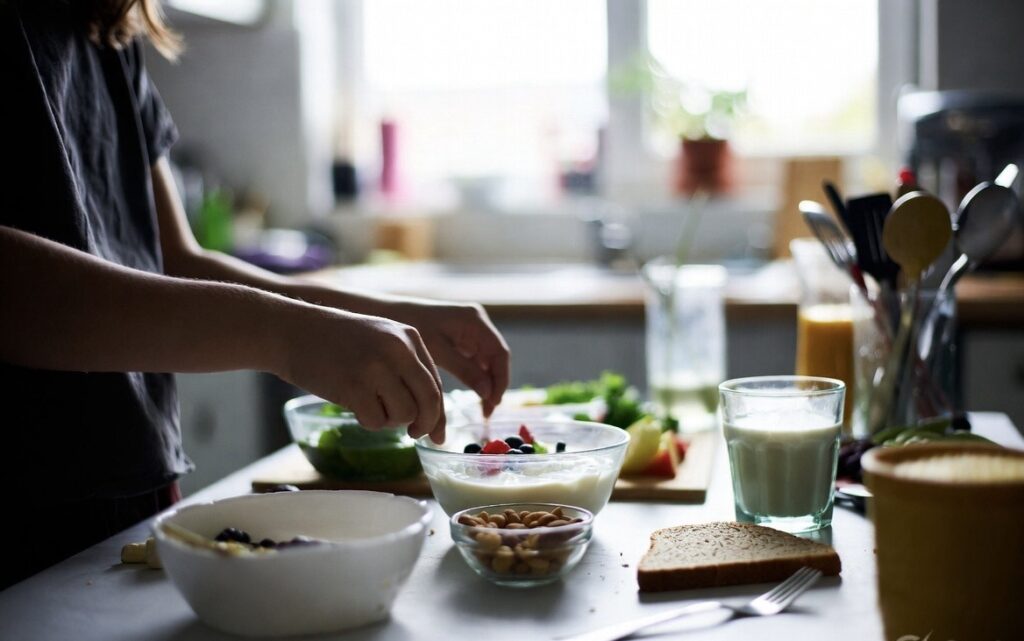
Modern life is busy. Between work, studies, commuting, and daily responsibilities, many people feel they simply don’t have time to cook healthy meals.
Because of this, quick options like fast food, packaged snacks, or skipping meals become common habits. Over time, this can affect energy levels, digestion, and overall health.
However, eating healthy does not always require cooking. With the right food choices and simple strategies, it is possible to maintain a balanced diet even with a busy schedule.
In fact, global health organizations emphasize that consistency and food quality matter more than complex meal preparation. For example, the World Health Organization highlights that a healthy diet is based on balance and variety, not necessarily cooking time.
What Does Eating Healthy Without Cooking Mean?
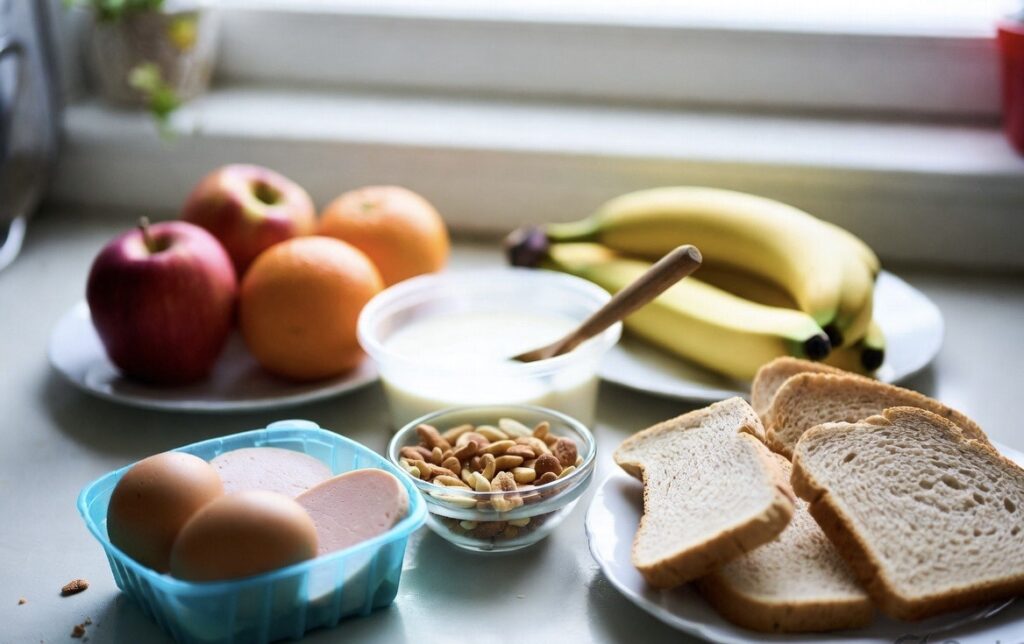
Eating healthy without cooking means choosing foods that are nutritious, easy to access, and require little to no preparation.
This includes foods like fruits, yogurt, nuts, whole grains, and ready-to-eat proteins. According to the Harvard T.H. Chan School of Public Health, a balanced plate should include vegetables, healthy proteins, and whole grains many of which can be consumed without traditional cooking.
The goal is not perfection, but consistency in making better food choices.
Why Busy People Struggle With Healthy Eating

1. Limited Time
Busy routines reduce the time available for meal preparation, making convenience foods more appealing.
2. Decision Fatigue
After a long day, making food decisions becomes mentally exhausting, which often leads to unhealthy choices.
3. Easy Access to Processed Foods
Highly processed foods are widely available and require no effort, but frequent consumption is linked to poor health outcomes, as highlighted by CDC nutrition guidelines.
4. Misunderstanding of Healthy Eating
Many people believe that healthy eating requires cooking complex meals, which is not always necessary.
10 Practical Ways to Eat Healthy Without Cooking
1. Build Balanced No-Cook Meals
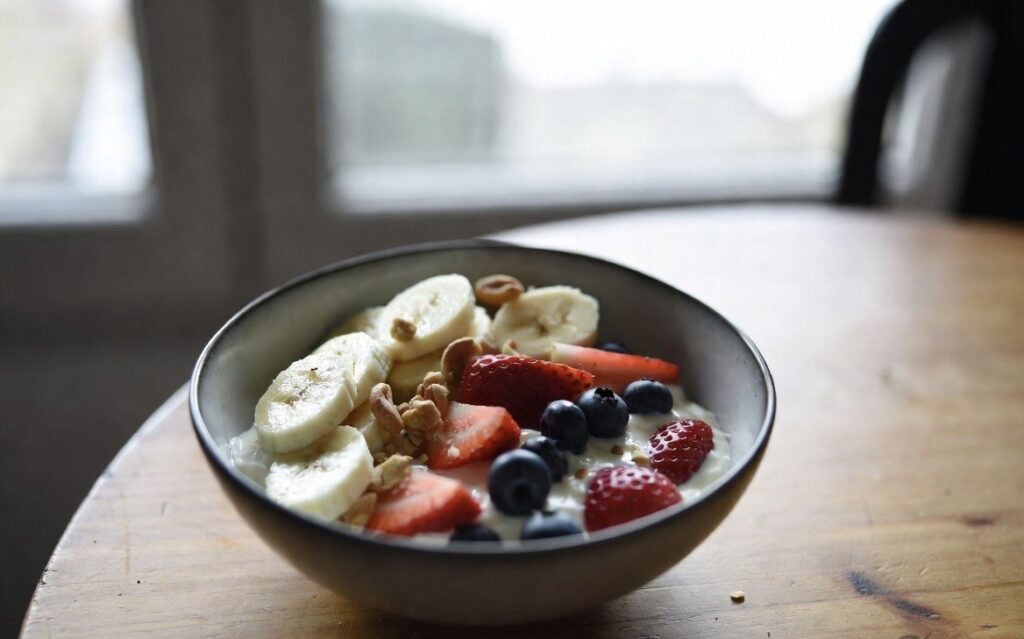
A simple way to eat healthy is by combining three components: protein, fiber, and healthy fats. For example, yogurt with fruits and nuts provides a balanced mix of nutrients.
2. Use Pre-Prepared Foods
Pre-washed salad greens, cut fruits, and ready vegetables reduce preparation time while maintaining nutritional value.
3. Keep Healthy Snacks Available
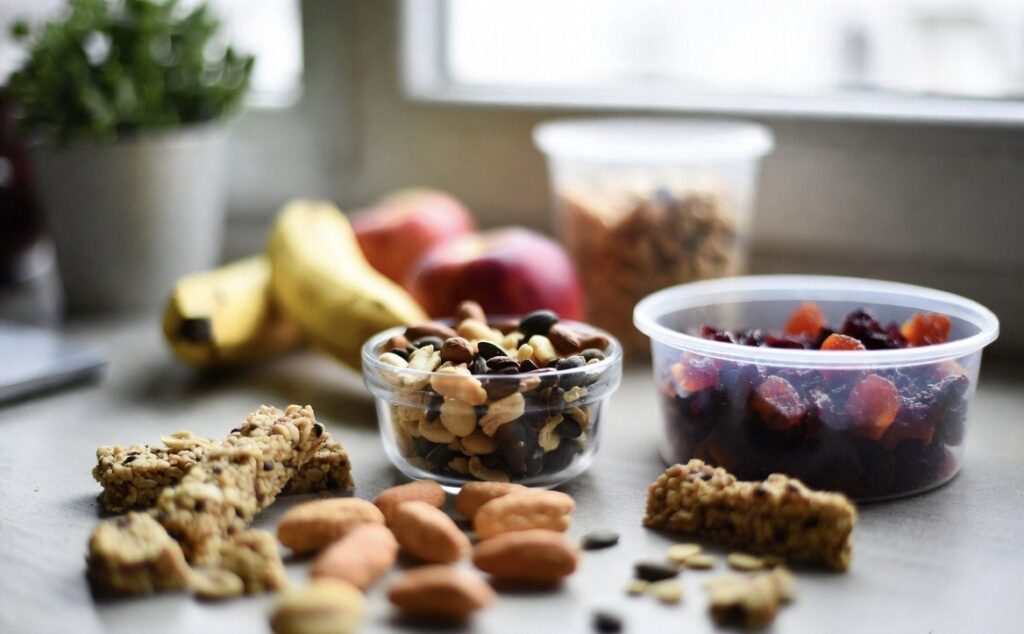
Keeping nutritious snacks nearby helps avoid unhealthy eating. Options like nuts, seeds, and fruits are easy and effective.
4. Choose Smarter Packaged Foods
Packaged foods are not always unhealthy. According to the NHS Eat Well Guide, choosing foods with lower sugar, salt, and fewer ingredients can support a balanced diet.
5. Use Smoothies for Quick Nutrition
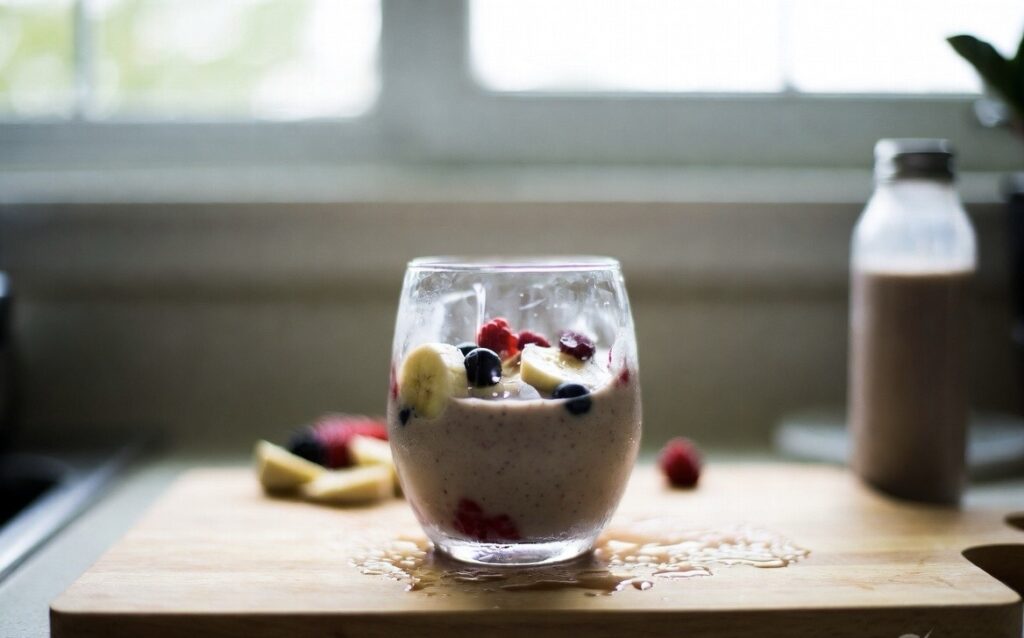
Smoothies are a fast way to consume essential nutrients. Blending fruits with milk or plant-based alternatives can provide energy, vitamins, and minerals. Looking for easy protein smoothies? Check this 7 Best Smoothies for Muscle Recovery
6. Include Ready-to-Eat Protein Sources
Protein supports energy and muscle health. Easy options include boiled eggs, canned beans, and store-prepared lean meats.
Looking for faster muscle gains? Check this Vegan vs Non-Veg Protein: Which One Builds Muscle Faster?”
7. Use Frozen Foods Strategically
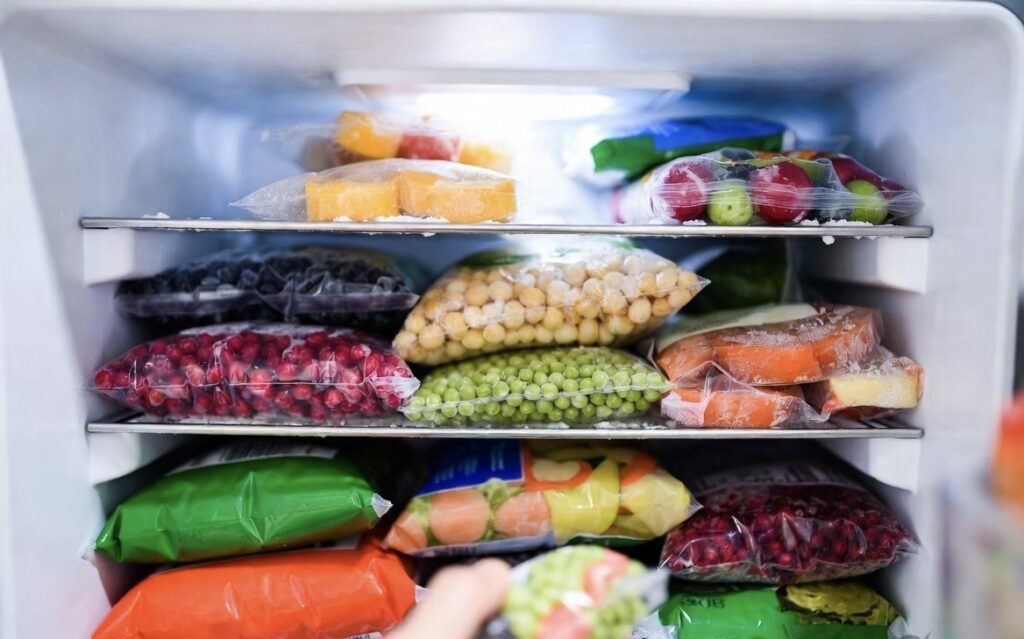
Frozen foods are often overlooked, but they can be highly nutritious. Research shared by the Centers for Disease Control and Prevention indicates that frozen fruits and vegetables retain most of their nutrients.
8. Stay Properly Hydrated
Hydration plays a key role in overall health. Even mild dehydration can lead to fatigue and reduced concentration, as noted in guidance from the UK National Health Service.
9. Avoid Skipping Meals
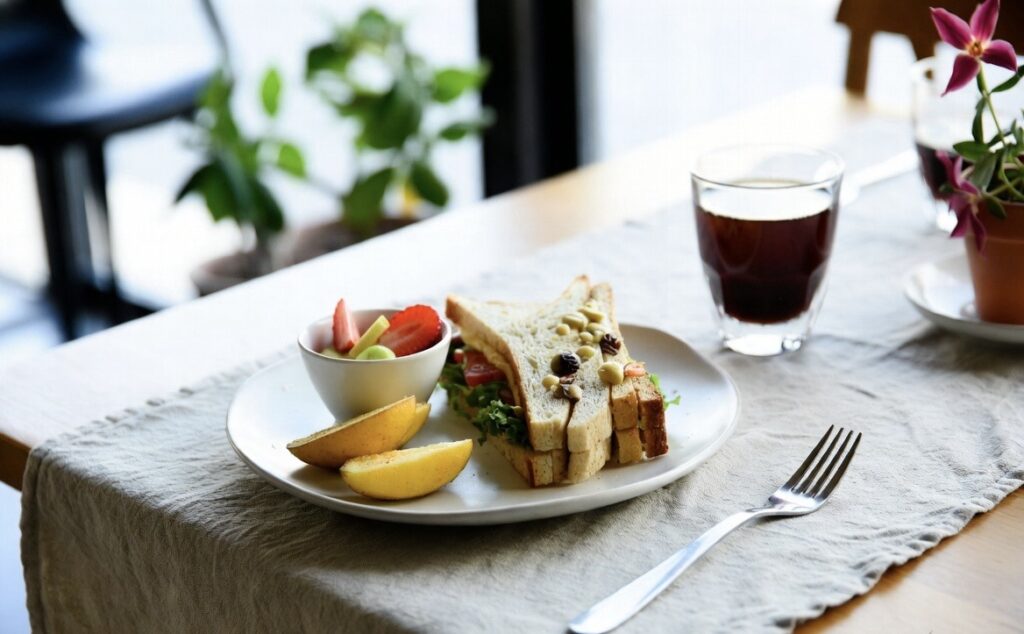
Skipping meals can lead to overeating later and unstable energy levels. Regular meals help maintain balance throughout the day.
10. Follow a Sustainable Eating Pattern
Instead of strict dieting, focusing on long-term consistency is more effective. Many nutrition experts recommend flexible approaches that are easier to maintain.
Example of a No-Cook Daily Meal Plan
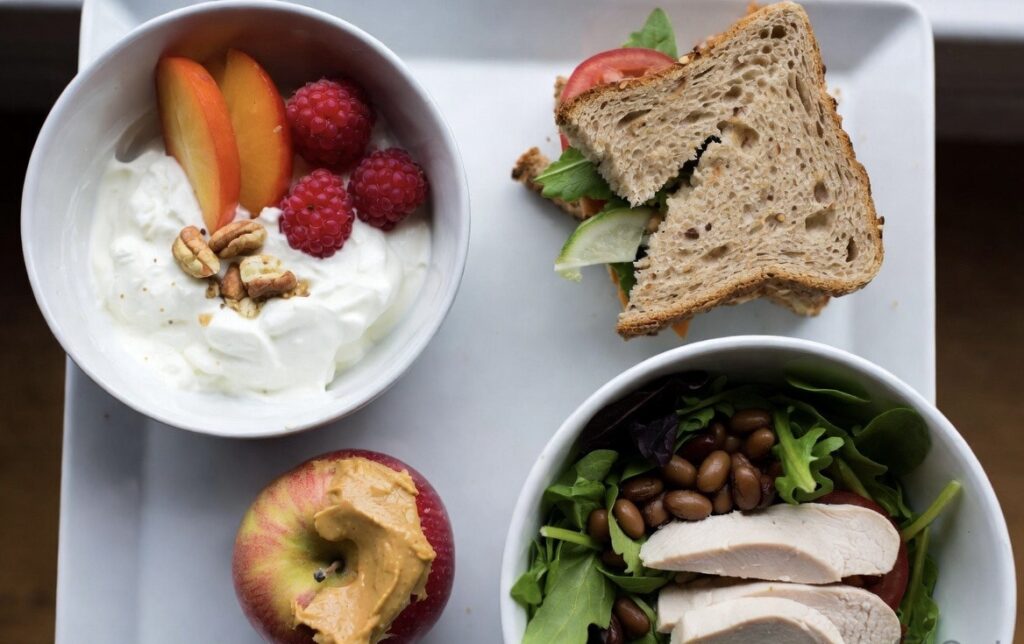
- Breakfast: Greek yogurt with fruits and nuts
- Lunch: Whole grain sandwich with vegetables and protein
- Snack: Apple with peanut butter
- Dinner: Salad bowl with beans or lean protein
This type of meal plan is simple, requires minimal effort, and aligns with general dietary recommendations from organizations like USDA MyPlate.
⚠️ Common Mistakes to Avoid
- Relying too much on ultra-processed foods
- Ignoring protein intake
- Consuming sugary drinks frequently
- Not drinking enough water
These habits can negatively impact health over time, even if meals are quick and convenient.
Why This Approach Works

This method works because it focuses on realistic habits rather than strict rules. Studies and public health recommendations consistently show that sustainable dietary patterns are more effective than short-term restrictive diets.
According to dietary guidance from the Dietary Guidelines for Americans, small, consistent improvements in food choices can lead to long-term health benefits.
Long-Term Benefits
- Improved energy levels
- Better weight management
- Enhanced digestion
- Reduced reliance on fast food
- Better overall health
Transitioning to a Healthier Routine
Making gradual changes is more effective than sudden lifestyle shifts. Start by replacing one unhealthy meal with a healthier option and slowly build better habits.
❓ Frequently Asked Questions (FAQs)
Can you eat healthy without cooking?
Yes, by selecting balanced, ready-to-eat foods and combining them properly.
What are the best no-cook foods?
Fruits, vegetables, yogurt, nuts, seeds, and whole grains.
Is packaged food always unhealthy?
No, choosing minimally processed options can support a healthy diet.
Can this help with weight management?
Yes, when combined with balanced portions and consistent habits.
Are frozen foods nutritious?
Yes, especially fruits and vegetables, which retain most nutrients when frozen properly.
Final Thoughts
Eating healthy is not about how much time you spend cooking. It is about making consistent, informed choices.
By focusing on simple, accessible foods and maintaining balance, it is possible to follow a healthy lifestyle without cooking.
© NexafitX — Helping people build healthier lifestyles worldwide.