
If you’ve ever wondered, “is it normal to have low sex drive in your 20s even if you’re healthy? you’re not alone.
You’re eating well, maybe working out, everything seems fine but your interest in intimacy just isn’t there. It feels confusing, and sometimes even a little worrying.
The truth is, this situation is more common than people talk about and in many cases, it’s completely normal.
Why This Feels Like a Bigger Problem Than It Is
Most people believe that your 20s should be your “peak” time for libido.
So when reality doesn’t match that expectation, it creates:
- Self-doubt
- Unnecessary stress
- Comparison with others
But sex drive isn’t controlled by age alone. It’s influenced by multiple factors that often go unnoticed.
Noticing changes in sex drive? Learn the reasons > Low Sex Drive? Possible Reasons Your Libido Is Lower Than Before
What Actually Affects Your Sex Drive?
Let’s keep it simple and practical. These are the most common reasons:
1. Mental Stress (Even If You Don’t Feel It)
You may feel okay on the surface, but your brain might be overloaded.
- Work pressure
- Overthinking
- Constant digital distractions
Research-backed insight: Chronic stress can affect hormones and reduce sexual desire over time.
You can explore a medical overview here:
NHS – Low Libido Guide
Feeling mentally slow all day? Here’s why > Why Do I Feel Brain Fog All Day? (Real Causes + Simple Fixes That Work)”
2. Poor Sleep Quality
You might be sleeping enough hours, but not getting proper rest.
- Late-night screen use
- Irregular sleep routine
According to sleep and health research, poor sleep impacts hormone balance and energy, both of which are linked to libido.
Sleep better without medication Deep Sleep Secrets: How to Beat Insomnia & Sleep Better Naturally
3. Natural Hormonal Fluctuations
Even in healthy individuals, hormones can shift slightly.
As highlighted in global health resources, hormones like testosterone and estrogen play a direct role in sexual desire, and even small changes can have an effect.
4. Dopamine Overload (Too Much Stimulation)
Modern lifestyle plays a big role.
- Excessive social media
- Constant entertainment
Some behavioral studies suggest that too much digital stimulation can reduce sensitivity to real-life experiences, including intimacy.
5. Emotional Disconnect
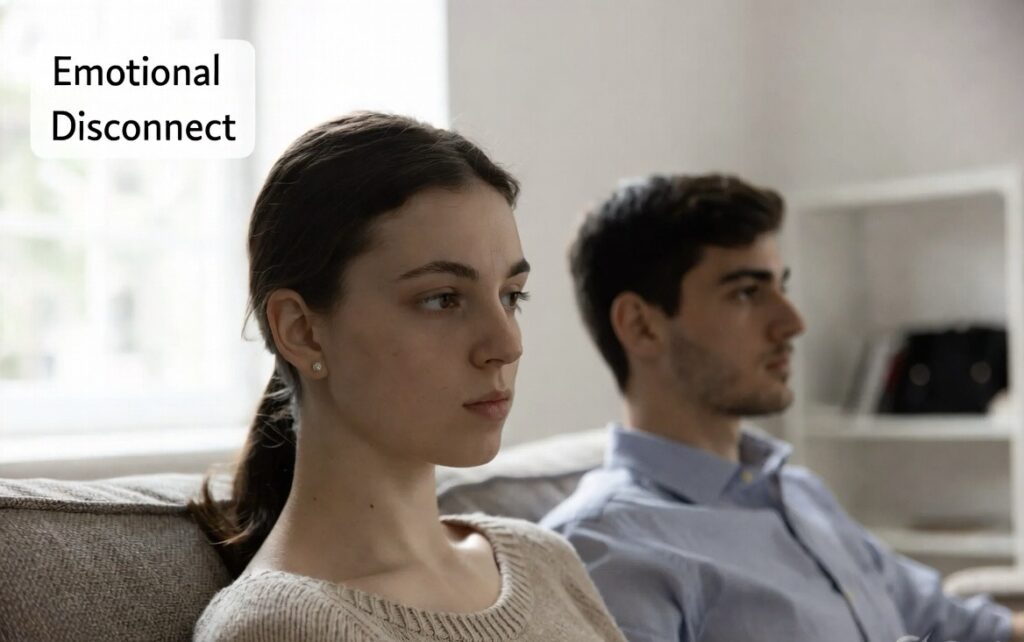
If you’re in a relationship, emotional connection matters more than you think.
- Lack of communication
- Unresolved issues
Studies in relationship psychology show emotional closeness strongly influences physical desire.
6. Diet and Energy Imbalance
Even a “healthy” diet can lack balance.
According to global nutrition guidance:
WHO – Healthy Diet
Low energy levels often lead to reduced interest in intimacy.
What You Can Do (Simple, Real Fix)
You don’t need extreme changes. Start with these:
Improve Your Sleep
- Keep a consistent sleep schedule
- Avoid screens before bed
👉 Better sleep = better hormonal balance.
Reduce Mental Load
- Take small breaks during the day
- Limit constant multitasking
👉 A relaxed mind supports natural desire.
Stay Physically Active
- Daily walking
- Light workouts
Exercise improves blood flow, mood, and energy levels.
Limit Overstimulation
- Reduce excessive scrolling
- Avoid unrealistic content habits
This helps reset your brain’s natural response.
✔ Focus on Real-Life Connection
- Communicate openly
- Build emotional comfort
Emotional safety often improves physical attraction.
When Should You Be Concerned?
In most cases, this is temporary and manageable.
But you should pay attention if:
- It continues for several months
- It starts affecting your mental health
- You notice other symptoms like fatigue or mood changes
👉 For general awareness, you can refer to:
CDC – Reproductive Health
Quick Summary
- Low sex drive in your 20s can be normal, even if you’re healthy
- It’s often linked to stress, sleep, and lifestyle habits
- Research shows mental and hormonal factors play a key role
- Small daily changes can improve it naturally
FAQs
Is it normal to have low sex drive in your 20s even if you’re healthy?
Yes, in many cases it’s completely normal and linked to lifestyle factors.
Can stress alone lower libido?
Yes, research shows chronic stress can reduce sexual desire.
Does sleep really affect sex drive?
Yes, poor sleep impacts hormones and energy levels.
Should I see a doctor?
If it’s long-term and affecting your well-being, it’s worth checking.
Can this improve naturally?
In most cases, yes simple lifestyle adjustments help.
© NexafitX — Helping people build healthier lifestyles worldwide.