
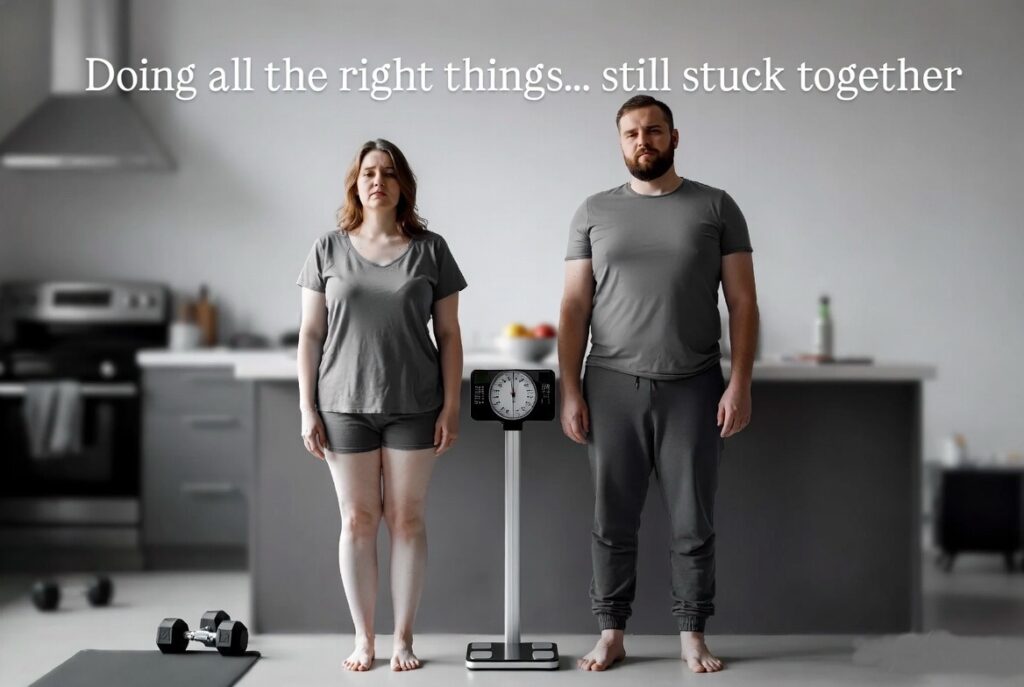
You started working out regularly.
You cut down your food.
You expected to lose weight.
But instead… the scale went up.
It feels frustrating, confusing, and honestly a bit unfair. Many people experience this exact situation and start doubting their efforts.
If you’re asking, “why am I gaining weight even after working out and eating less?” you’re not alone. This is one of the most common fitness problems worldwide.
Quick Answer
You may gain weight even after working out and eating less due to muscle gain, water retention, hidden calorie intake, or metabolic adaptation. In most cases, this is temporary and part of your body adjusting to a new routine.
The truth is, weight gain during a fitness journey does not always mean fat gain. In many cases, your body is simply adjusting to new habits.
A Real-Life Situation Most People Experience

Let’s take an example.
Sarah, 29, starts working out 5 days a week. She reduces fast food, eats smaller portions, and drinks more water.
After 3 weeks, she checks her weight.
➡️ She has gained 3 pounds.
She feels confused and thinks something is wrong.
But in reality, this is very common. Many beginners experience weight fluctuations in the first 2–4 weeks, especially when starting strength training or increasing activity levels.
1. You Are Gaining Muscle While Losing Fat
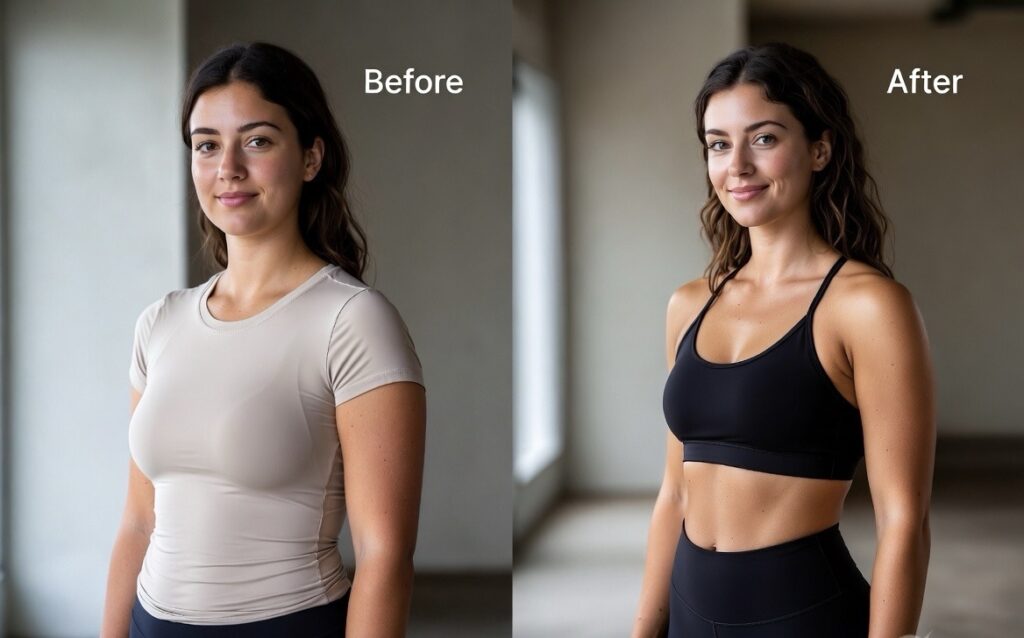
When you start working out, especially strength training, your body builds muscle.
Muscle is denser than fat, meaning it weighs more but takes up less space.
So even if you are losing fat, your weight on the scale can increase.
Source: Centers for Disease Control and Prevention (CDC)
Signs this is happening:
- Your body looks more toned
- Clothes fit better
- You feel stronger
This is called body recomposition, and it is actually the best type of progress.
2. Water Retention After Exercise
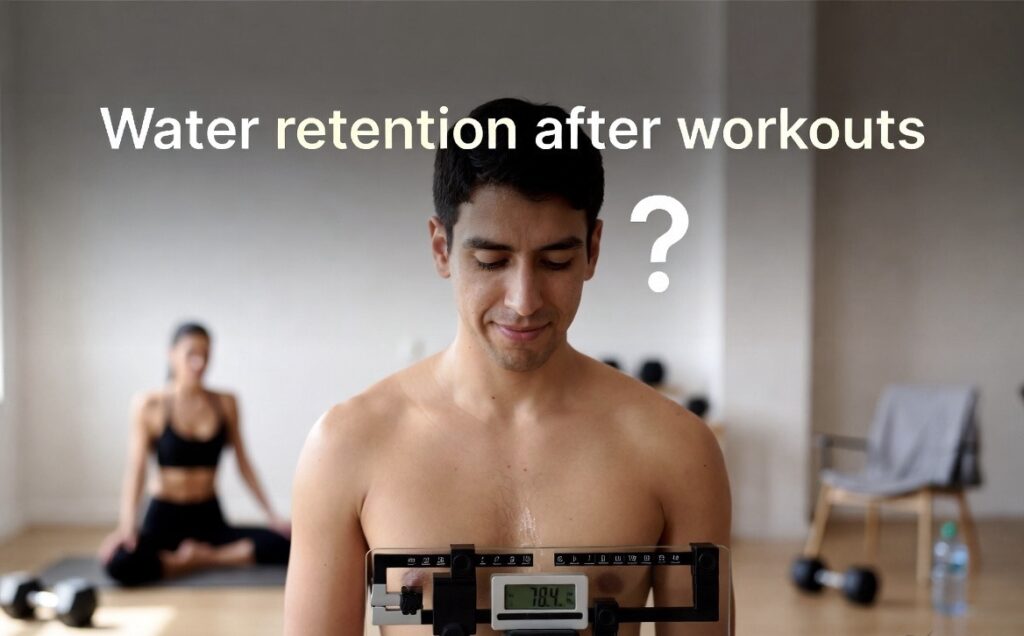
After workouts, your muscles go through repair and recovery.
During this process, your body holds extra water.
This temporary water retention can increase your weight.
This is very common if:
- You recently started exercising
- You increased workout intensity
- You are doing strength training
Source: National Institutes of Health (NIH)
👉 Studies show that body weight can fluctuate by 1–2 kg due to water retention and glycogen storage, especially after new or intense workouts.
This weight usually drops after a few days.
Want to get fit at home? Learn easy exercises you can do without any equipment.
3. You Might Be Eating More Than You Realize

Many people believe they are eating less, but small mistakes can add up:
- Portion sizes are underestimated
- Snacks are ignored
- Liquid calories are not counted
Example:
A smoothie or coffee drink can contain hundreds of extra calories.
In real-life cases, this is one of the most common reasons people struggle with fat loss.
Tracking your food intake for a few days can give you clarity.
Even with workouts and diet, a slow metabolism can hold you back, learn how to speed it up naturally.
4. Eating Too Little Can Slow Your Metabolism
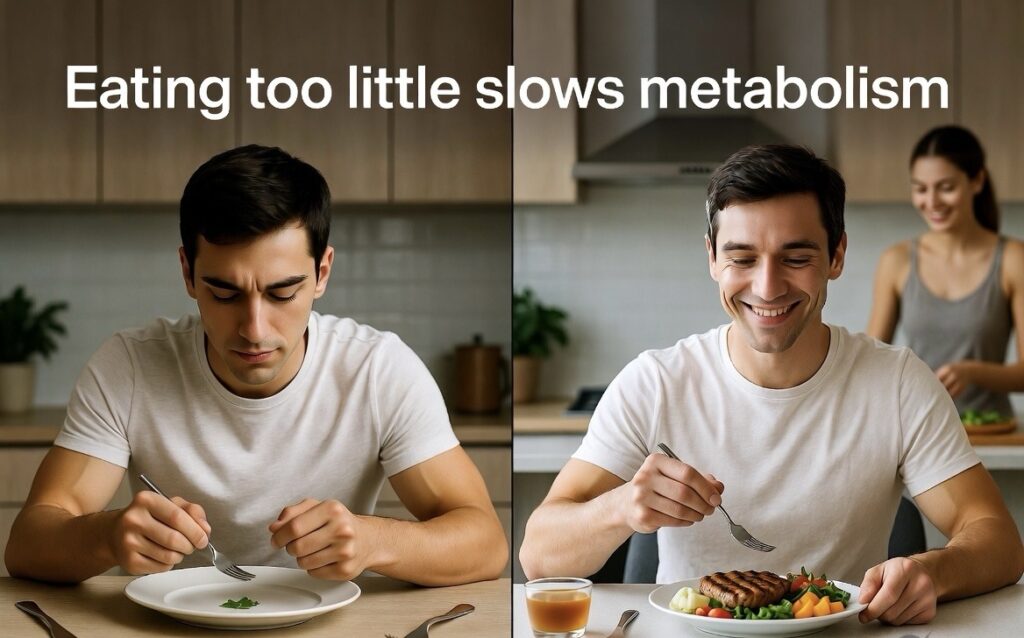
Eating too little for a long time can slow down your metabolism.
Your body tries to conserve energy by burning fewer calories.
This can lead to:
- Slower fat loss
- Weight fluctuations
- Fat retention
Source: National Institutes of Health (NIH)
Instead of extreme dieting, aim for a balanced calorie deficit.
5. Poor Sleep Is Affecting Your Results

Sleep plays a major role in weight management.
Lack of sleep can:
- Increase hunger
- Cause cravings
- Reduce recovery
Source: World Health Organization (WHO)
Aim for 7–9 hours of quality sleep each night.
Even with workouts and diet, low-quality sleep can stall your results, learn how to sleep better naturally.
6. Stress and Hormones Are Slowing Progress

Stress increases cortisol levels.
High cortisol can:
- Increase fat storage
- Cause water retention
- Slow down fat loss
Even if your diet is correct, high stress can reduce results.
Managing stress is just as important as diet and exercise.
7. Overtraining Can Backfire

Working out too much without rest can harm progress.
Overtraining can:
- Increase fatigue
- Raise stress hormones
- Slow recovery
Your body needs rest to perform and improve.
A balanced workout routine always includes recovery.
8. The Scale Is Not Showing the Full Picture
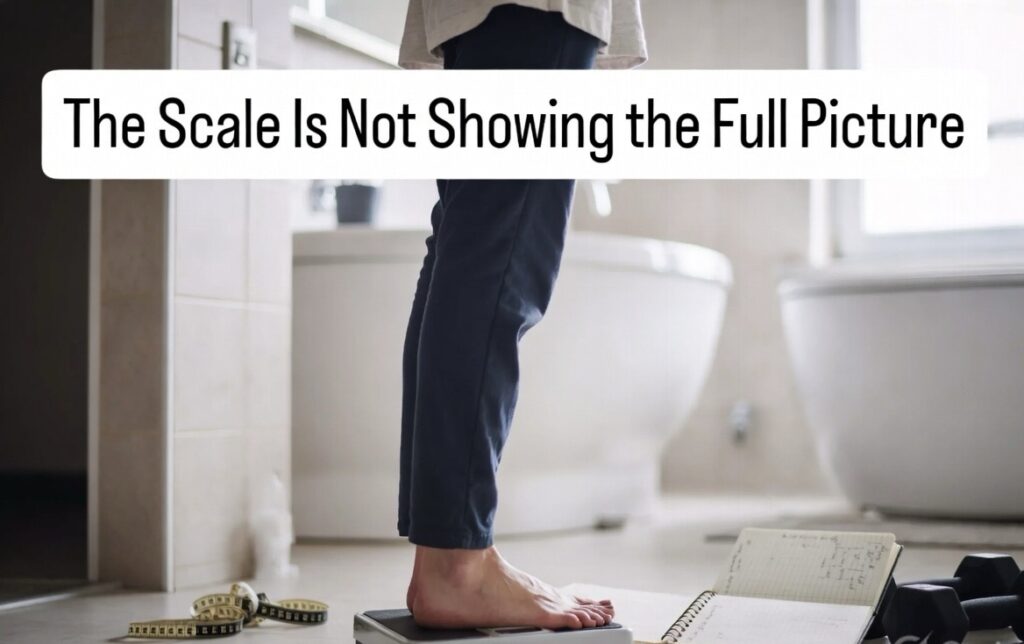
The scale measures total body weight, including:
- Water
- Muscle
- Food
Your weight can naturally fluctuate daily.
Better ways to track progress:
- Progress photos
- Body measurements
- Strength levels
9. Common Mistakes Beginners Make
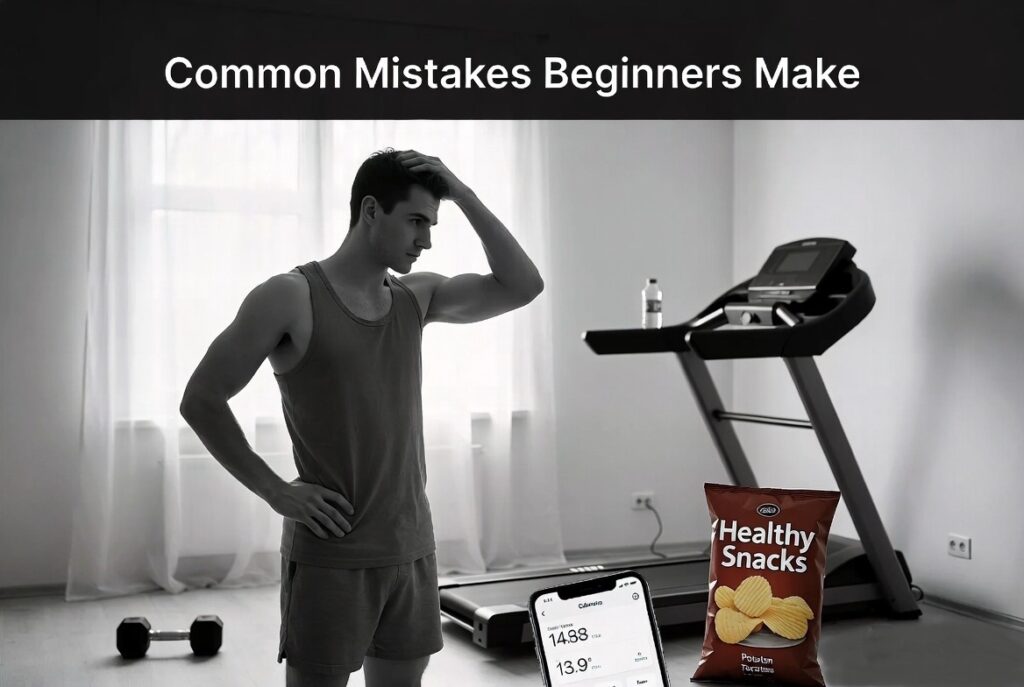
Many beginners unknowingly make mistakes:
- Doing only cardio
- Avoiding strength training
- Not tracking calories
- Eating “healthy” but high-calorie foods
- Skipping rest days
- Expecting quick results
Fixing these mistakes can significantly improve results.
10. Signs You Are Actually Making Progress

Even if the scale is not moving, you may still be improving.
Look for these signs:
- Increased strength
- Better stamina
- Improved body shape
- More energy
- Better mood
These are strong indicators of real progress.
11. Myths vs Reality (Important Section)

Myth: Eating less always leads to weight loss
Reality: Eating too little can slow metabolism
Myth: More workouts = faster fat loss
Reality: Recovery is equally important
Myth: The scale shows fat loss
Reality: The scale shows total body weight
12. Week-by-Week Expectation Guide
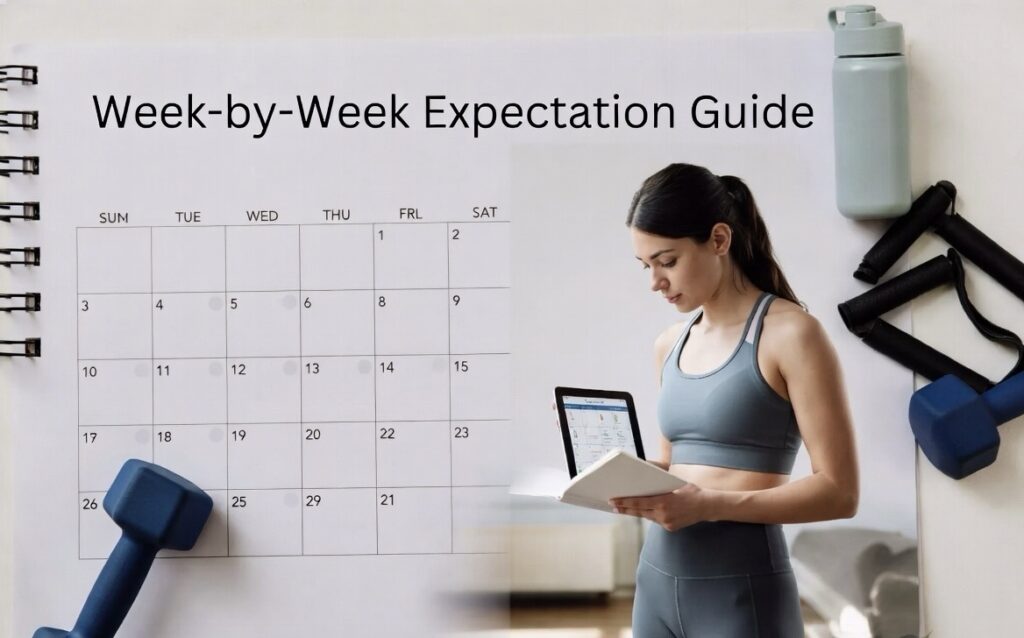
Week 1–2:
- Body adjusting
- Possible water weight increase
Week 3–4:
- Strength improvement
- Slight visual changes
Week 5–8:
- Noticeable fat loss
- Better muscle tone
Understanding this timeline prevents frustration.
13. Hidden Reasons People Often Ignore

There are a few less obvious reasons that can affect your weight.
Sodium intake
High salt intake can cause water retention and temporary weight gain.
Hormonal changes
Hormones can fluctuate due to stress, sleep, or lifestyle changes.
Digestive issues
Constipation or bloating can increase body weight temporarily.
Inconsistent tracking
Being accurate only on some days can give misleading results.
These small factors can have a big impact over time.
14. Best Diet Strategy for Sustainable Fat Loss

Instead of extreme dieting, follow a sustainable approach.
Focus on whole foods
Choose foods like:
- Lean proteins
- Vegetables
- Whole grains
Balance your meals
Include protein, carbs, and healthy fats in each meal.
Maintain a moderate calorie deficit
Avoid cutting too many calories.
Stay hydrated
Water helps digestion and reduces bloating.
Source: CDC Nutrition Guidelines
Be consistent
Consistency matters more than perfection.
15. Simple Weekly Workout Plan for Beginners

A balanced routine helps better results.
Day 1: Upper body strength
Day 2: Lower body strength
Day 3: Rest or light activity
Day 4: Full body workout
Day 5: Cardio + core
Day 6: Active recovery (walking, stretching)
Day 7: Rest
This structure supports both fat loss and recovery.
Step-by-Step Action Plan
Step 1: Stop relying only on the scale
Use measurements and photos.
Step 2: Track your food intake
Be honest and consistent.
Step 3: Focus on protein
Helps muscle growth and fat loss.
Step 4: Combine strength and cardio
Balanced workouts give best results.
Step 5: Improve sleep
Make sleep a priority.
Step 6: Manage stress
Try walking or relaxation techniques.
Step 7: Take rest days
Recovery is essential.
FAQs
1. Is it normal to gain weight after starting a workout?
Yes, due to muscle gain and water retention.
2. Why am I gaining weight in a calorie deficit?
Possible reasons include incorrect tracking or metabolic adaptation.
3. How long does water weight last?
Usually a few days to one week.
4. Should I eat less to lose weight faster?
No, extreme dieting can slow metabolism and harm progress.
5. How do I know I’m losing fat?
Check body measurements, strength levels, and progress photos.
Final Thoughts
If you are gaining weight even after working out and eating less, it does not always mean something is wrong.
In most cases, it is a normal part of the fitness journey.
Your body is adjusting, repairing, and becoming stronger.
Focus on consistency, track the right indicators, and avoid extreme changes.
Hi With time, your results will become visible in a healthy and sustainable way.
© NexafitX — Helping people build healthier lifestyles worldwide.